Numerous challenges to international agricultural trade exist that may impede the free movement of agricultural products between nations. Trade regulations, technological specifications, logistical difficulties, and geopolitical factors can all be contributing factors to these barriers. The following are some of the major challenges to global agricultural trade:
Tariffs and Trade Barriers: international agricultural products may have less market access due to import tariffs and non-tariff barriers such import quotas, license requirements, and sanitary and phytosanitary measures (SPS).
Subsidies and Support: Some nations’ agricultural industries receive subsidies, which can affect global market pricing and the competitiveness of farmers in other nations who do not get such subsidies.
Trade Conflicts and Retaliatory Actions: Trade conflicts between nations can result in retaliatory actions, including tariffs or bans on particular agricultural items, which can stymie trade flows.
Technical Standards and rules: For exporters and importers, complying with various technical standards, labeling specifications, and food safety rules can be difficult and expensive.
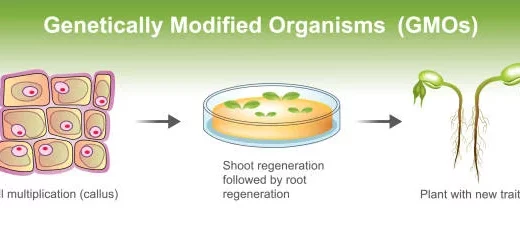
Intellectual property rights: Trade in agricultural products may be impacted by disputes over intellectual property rights, particularly in the field of agricultural biotechnology.
Infrastructure and logistical problems: Poor transportation and storage systems can cause delays, product deterioration, and higher export and import prices for agricultural goods.