Several crucial problems are spawned by social inequality and the exclusion of communities from the agricultural value chain:-
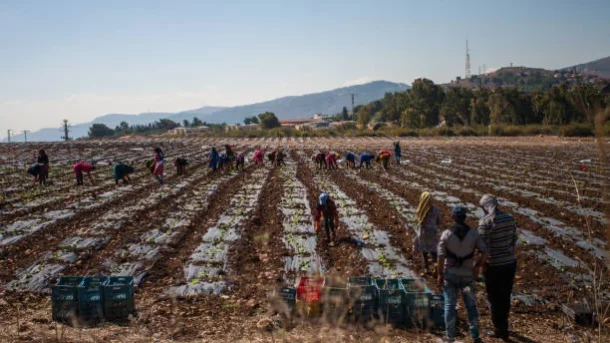
Limited Access to Resources: Communities on the margins frequently encounter obstacles when trying to obtain basic resources including land, water, financing, and sophisticated agricultural supplies. Lower yields and income levels result from their inability to engage in productive and sustainable agricultural practices due to a lack of access to these resources.
Land Tenure and Ownership: In many areas, marginalized populations face difficulties gaining rights to land tenure and ownership. Their fragility and lack of control over agricultural land is a result of dispossession, land grabbing, and discriminatory land policy, which feeds a cycle of poverty and marginalization.
Gender Inequality: Women in rural and underprivileged areas frequently encounter barriers based on their gender while trying to access resources, positions of authority, and financial opportunities within the agricultural value chain. Their access to education and training as well as their participation in farming operations may be restricted by gender-based discrimination.
Lack of Representation and Participation: Marginalized communities frequently have little representation in and little involvement in policy, rural development, and agriculture-related decision-making processes. Because of this exclusion, policies may not appropriately address their special requirements and difficulties.