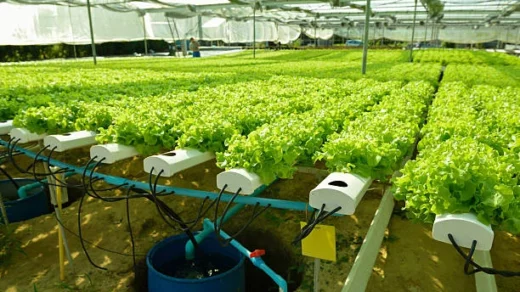
Environmental Impact: Some agricultural subsidies may encourage actions that are bad for the environment, like excessive use of water, pesticides, and fertilizers. According to detractors, it could be more advantageous for long-term sustainability to redirect subsidies towards conservation efforts, environmental preservation, and sustainable farming methods.
Agricultural subsidies may result in trade disagreements and international hostilities. Subsidies, particularly in affluent nations, are criticised for undercutting agricultural producers in developing countries and making it difficult for them to compete on the global market. This worsens trade imbalances and may obstruct the growth of the agriculture industries in developing countries.
Protecting domestic agricultural firms from unfair competition, especially when dealing with imports that are too subsidised or produced to lower standards, is crucial, according to supporters of trade protectionism. They argue that barriers such as tariffs or import limits can defend domestic farmers and uphold the nation’s food security.
Market Errors: Trade protectionist policies, in the opinion of their critics, have the potential to distort markets and hinder the efficiency gains that can be achieved through specialization and comparative advantage. Protectionist measures might artificially drive up costs, limit consumer choices, and make it more challenging for farmers to export their goods, all of which would hamper the growth of the world economy.