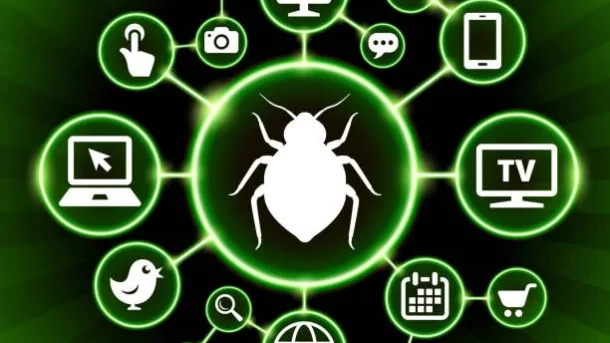
Early Disease and Pest Detection: To identify illnesses and pests at an early stage, smart pest management systems make use of sensors, imaging technology, and data processing. These systems can detect pest infestations before they become severe by continuously monitoring fields and crops. This enables quick intervention and reduces considerable damage.
Targeted and accurate Treatment: Smart pest control solutions make it possible to treat pests in a targeted and accurate manner. These systems can choose the best time, place, and amount of pest control measures by using data from sensors, satellite imaging, and weather forecasts. This focused strategy enables effective pest management while minimising the use of pesticides and their negative effects on the environment.
Better Crop Health and Quality: By assuring prompt and effective pest control methods, smart pest management systems assist maintain crop health and quality. These technologies avoid crop damage, preserve optimal plant growth, and improve the general quality of agricultural produce by successfully managing insect populations.
Smart pest control systems produce an abundance of data about pest dynamics, environmental factors, and treatment efficacy. Informed decisions about pest management tactics, crop rotation, and planting schedules can be made using this data after analysis. Farmers can optimise their pest control techniques, increase output, and improve farm management practises by utilising data-driven insights.