The study and comprehension of plant features and their interactions with the environment have been completely transformed by advances in plant phenotyping technologies. The following are significant developments in plant phenotyping.
High-Throughput Phenotyping: In high-throughput phenotyping, numerous plant properties are quickly and non-destructively measured. Robotics, imaging platforms, sensors, and other automated systems are used to do this. These technologies can quickly collect data from hundreds or thousands of plants, allowing scientists to more precisely and quickly analyse plant properties. Breeding programmes, genetic research, and agricultural development initiatives have all been greatly enhanced by high-throughput phenotyping.
Non-Invasive Sensors: Non-invasive sensors that don’t injure or disturb plants, such spectrometers, fluorometers, and gas analyzers, are used to detect their varied physiological and biochemical characteristics. For instance, gas analyzers can evaluate carbon absorption and transpiration rates, while chlorophyll fluorescence sensors can gauge photosynthetic effectiveness and stress responses. These sensors offer real-time information on plant health, functioning, and responses to external stimuli.
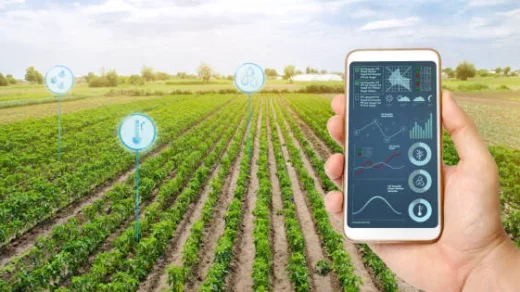
UAVs and Remote Sensing: The use of unmanned aerial vehicles (UAVs) and satellite pictures for remote sensing has greatly improved the ability to phenotype plants. Large-scale monitoring is possible thanks to satellite images, which also offers information on growth trends, crop health, and vegetation indices. High-resolution cameras or sensors on UAVs can gather precise and localised data on plant characteristics including biomass, leaf area, and crop.