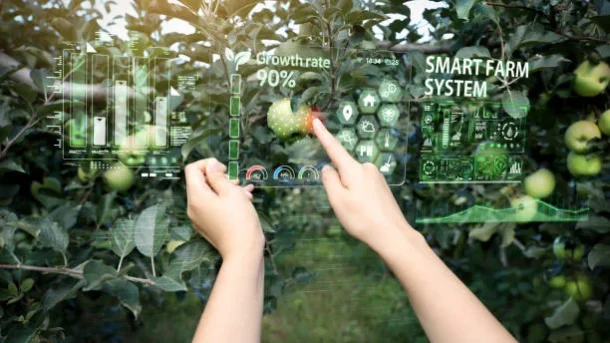
By enabling data-driven decision-making, optimising farming techniques, and raising productivity, artificial intelligence (AI) and machine learning (ML) are transforming agriculture. Here are some significant changes that AI and ML are making to agriculture.
In order to offer information on crop health, soil conditions, and pest infestations,artificial intelligence and machine learning systems analyse data from a variety of sources, including satellite imagery, drones, and sensors. With the use of inputs like water, fertiliser, and pesticides, farmers may target particular areas, maximising resource allocation and minimising waste.
Crop monitoring and yield forecasting: AI-powered systems can keep an eye on crops all through the growing season, gathering information on things like plant health, growth rates, and weather. By examining this data, machine learning (ML) models can forecast crop yields, assisting farmers in making decisions about harvesting, storing, and marketing.
Weed and Pest Management: Using photos taken in the field, AI and ML systems can recognise and categorise weeds and pests. The use of pesticides or herbicides on a large scale can be avoided by farmers who use this information to adopt tailored control techniques.