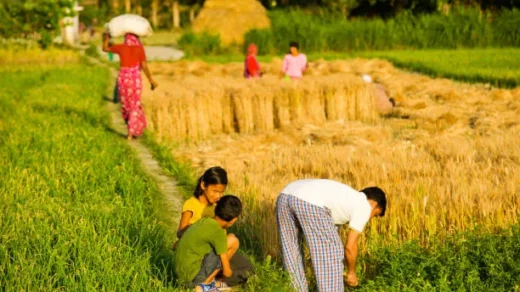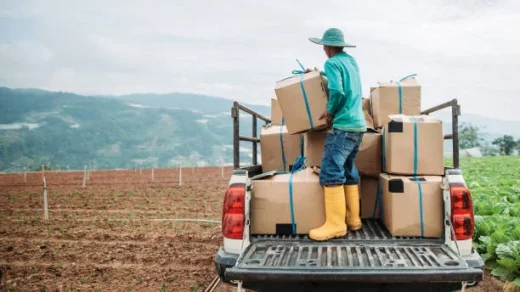
The availability of agricultural labor can be significantly impacted by rural population migration. When people relocate to metropolitan areas or other areas in quest of better job prospects, higher living standards, or social services, this is referred to as migration. This movement may have both favorable and unfavorable consequences on the supply of agricultural labor:
Optimistic Effects
Reduction of Labor Surplus: In some locations, there may be a labor surplus in rural areas, which could result in underemployment or unemployment. This surplus may decrease with urban migration, resulting in a more effective distribution of labor in agriculture.
Efficiency Gains: As farmers look for more productive techniques due to the decline in labor availability, migration may boost the adoption of labor-saving technology and practices in agriculture.
Remittances: Migrant workers frequently send remittances to their family back home in rural regions, providing extra money that can be used to invest in farming or rural enterprises.
Revenue diversification: Families with members who work in both agriculture and non-agricultural activities can gain from a more diversified revenue portfolio, which will lessen their reliance on agricultural income alone.
Metropolitan locations provide a labor pool that can be used to fill seasonal or emergency agricultural labor demands during peak times as more individuals move to metropolitan areas.