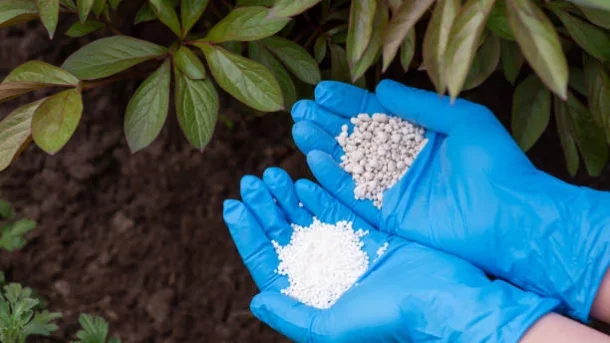
The community of soil microorganisms is supported and flourishes thanks to the use of biofertilizers. Biofertilizers increase microbial diversity, activity, and interactions by introducing beneficial microbes, which improves soil health and nutrient cycling. What are the advantages of biofertilizers for soil microorganisms?
Microbial Inoculation: Biofertilizers have certain beneficial microorganisms in them, such as nitrogen-fixing bacteria, phosphate-solubilizing bacteria, mycorrhizal fungi, or other bacteria that encourage plant growth. These biofertilizers interact with the already present soil microbial population by introducing new microbial species when applied to the soil.
Enhanced Microbial Diversity: Biofertilizers have the potential to introduce new microbial strains, enhancing the diversity of microbes in the soil as a whole. A varied microbial community is more resilient and able to carry out a number of advantageous tasks.
xSynergistic Interactions: The microorganisms added to biofertilizers have the potential to create synergistic interactions with the soil microorganisms already present. These interactions could include the exchange of nutrients, the activity of signaling molecules, and assistance in fending off environmental stressors.
Beneficial microorganisms included in biofertilizers help the soil’s nutrient cycling activities. While phosphate-solubilizing bacteria liberate bound phosphates, making them available to plants and other microbes, nitrogen-fixing bacteria transform atmospheric nitrogen into forms that are useful to plants.
Compost and other organic matter-containing biofertilizers may aid in the decomposition of organic matter in the soil. During decomposition, microbial activity releases nutrients and promotes the development of other soil microbes.