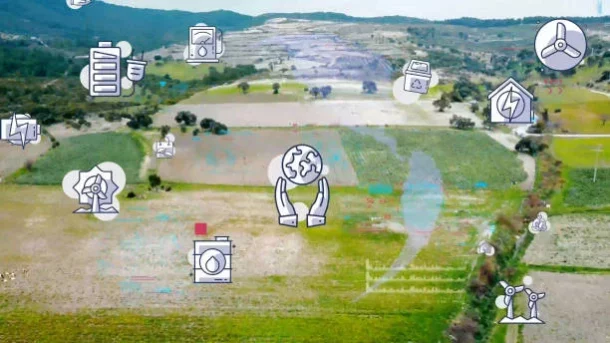
Weather prediction models offer information about expected weather patterns, including temperature, precipitation, wind speed, and humidity. This knowledge can be used by farmers to plan and modify planting dates, choose the right crop kinds, and control irrigation and fertilization practices. Farmers can maximize crop growth and reduce hazards by planning activities around anticipated weather conditions.
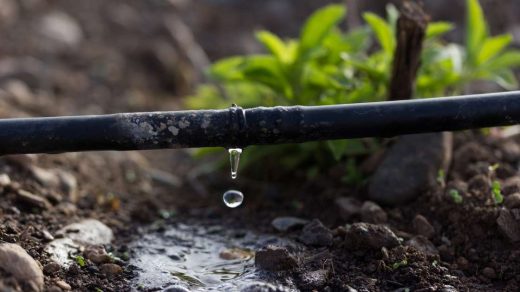
Irrigation management: By predicting rainfall and calculating crop water needs, weather prediction models assist farmers in optimizing their irrigation practises. Farmers can select the best times and amount to irrigate their fields by considering forecasted precipitation and evapotranspiration rates. By doing this, it is possible to avoid under- or over-irrigation, conserve water, and guarantee that crops receive the right amount of moisture for healthy growth.
Management of Pests and Diseases: Weather has a big impact on population dynamics. Several learning models such as ensemble learning , machine learning and deep learning were utilized for the prediction of weather conditions and soil nutrient analysis suitable for crops