Soil moisture monitoring: Farmers monitor soil moisture levels and water availability, drought in real-time using sensors and monitoring systems. They can use this information to decide when and how much water to apply with confidence. Farmers may optimise water use and save waste by staying away from over-irrigation and making sure that water is applied only when necessary.
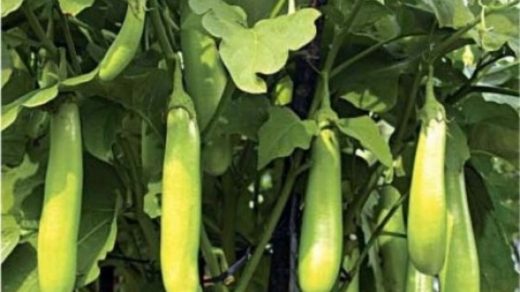
Crop rotation and selection: Farmers rotate their crops and pick crop varieties that are more resilient to water scarcity in arid climates. Crops that can withstand drought, such as some types of sorghum, millet, and some legumes, are grown in regions where water is scarce. Crop rotation practices reduce the overall need for irrigation by alternating crops with differing water requirements, which contributes to efficient water resource management.
In order to adapt to the water shortage and drought circumstances, farmers are using a variety of tactics and using cutting-edge practises. In difficult water-scarce conditions, these modifications seek to maximise water use, increase water efficiency, and preserve agricultural productivity. Here are some crucial strategies that farmers are using.
Modern irrigation techniques that maximise water efficiency are being adopted by farmers more and more. For instance, drip irrigation provides water straight to plant roots, minimising runoff and lowering water loss due to evaporation. In order to focus water application more accurately and make sure that water reaches the crops successfully, other techniques are also utilised, such as sprinkler irrigation, precision sprinklers, and micro-sprinklers.