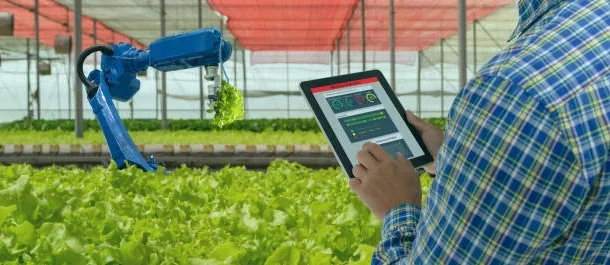
By utilizing technology to establish new and effective connections between farmers, agribusinesses, and consumers, digital platforms are transforming the agricultural sector. These platforms revolutionize several facets of the agricultural industry using data analytics, cloud computing, mobile applications, and the Internet of Things (IoT). Here are some examples of how the agriculture market is being significantly altered by internet platforms:
Market Access and Direct Sales: By allowing farmers to communicate directly with buyers, processors, and consumers, digital platforms eliminate the need for middlemen. Through online markets and e-commerce platforms, farmers may advertise their goods, set pricing, and organize sales.
Supply Chain Transparency: By providing real-time information on the place of origin, the method of production, and the distribution of agricultural products, digital platforms improve supply chain transparency. The ability of consumers to track their food’s progress from the farm to the table encourages food safety and accountability.
Data-Driven Decision Making: Digital systems gather and examine a huge quantity of information on agriculture, including weather patterns, soil characteristics, and market trends. With the help of this data-driven methodology, farmers and agribusinesses may decide wisely about crop management, resource allocation, and marketing tactics.
Precision Agriculture: By using IoT devices, drones, and sensors to precisely monitor crop, soil, and weather conditions, digital platforms support precision agriculture operations. Through optimization, resources are used more effectively, yields are raised, and environmental impact is diminished.