Pests

How does gene editing offer new opportunities for crop improvement?

crop improvement

By permitting precise and targeted alterations of particular genes, gene editing, a potent biotechnology tool, opens up new possibilities for crop improvement. Here are some ways that gene editing helps to improve crops:

Enhanced Trait Development: The precise editing or modifying of particular genes of interest is now possible thanks to gene editing tools like CRISPR-Cas9. The development of crops with desirable features, such as increased yield, disease resistance, stress tolerance, or nutritional quality, is made possible through this focused alteration. Faster trait development is made possible through gene editing, which provides a more effective and precise alternative to conventional breeding techniques.

Speed and Accuracy: Crop genomes may be altered quickly and precisely thanks to gene editing technology. Gene editing permits immediate change of target organisms in contrast to conventional breeding techniques, which include crossover and selection across several generations.

In order to add specific genetic variations or change existing genes without introducing foreign DNA from distant species, gene editing techniques can be used. This makes it possible to retain genetic variation within crop species, allowing for the enhancement of traits while upholding the crop’s genetic purity and familiarity. Different crop varieties can use gene editing without losing their genetic variety.

Reduced Unwanted features: Gene editing offers the possibility of reducing or eliminating unwanted features in crops. Gene editing enables the creation of superior crop improvement types with fewer or no unwanted features by focusing on and altering the genes that are responsible for traits like susceptibility to diseases, pests, or poor post-harvest quality.
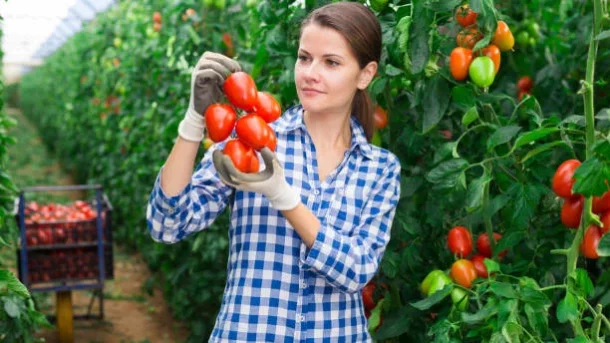

 What are the advantages of using genetically modified crops?

genetically modified

There are a number of advantages to using genetically modified (GM) crops, which can help farmers, consumers, and the environment. Some of the main benefits of utilizing genetically modified crops are as follows:

GM crops are frequently developed to express characteristics that improve crop productivity, increasing crop yield. For instance, crops can be altered to withstand pests, illnesses, or environmental challenges like salt or drought. Genetically modified crops can help to boost agricultural productivity and food production by minimizing yield losses brought on by pests or unfavorable growth circumstances.

Improved Crop Quality: Through the introduction of characteristics that increase nutrient value, flavor, or shelf life, genetic manipulation can improve crop quality. For instance, GM crops can be modified to have more vitamins or minerals, hence preventing nutrient shortages.

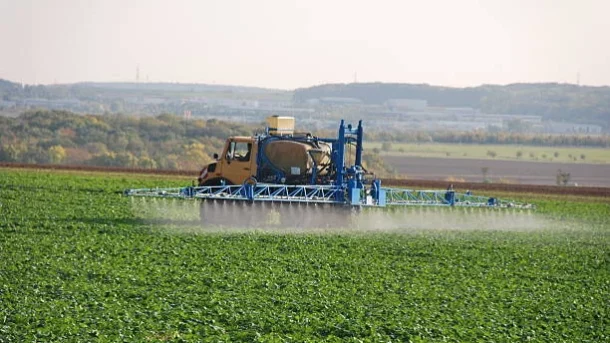
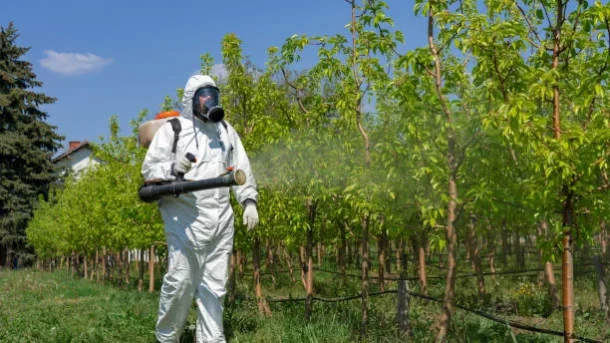
Disease and Pest Resistance: GM crops can express resistance against particular pathogens or pests. As a result, fewer chemical pesticides or fungicides are required, reducing pesticide use and the related hazards to the environment. GM crops that are resistant to pests can lower crop losses from insect damage and encourage more environmentally friendly pest control methods.

Reduced Environmental Impact: Growing GM crops can have advantageous effects on the environment. Genetically modified (GM) crops can lessen exposure to non-target creatures, reduce chemical runoff into water bodies, and safeguard valuable insects by using less pesticides. Additionally, certain GM crops are made to consume less water or to withstand particular environmental conditions, resulting in more effective water use and less impact on the environment.

 What is the role of biotechnology in crop protection?

crop protection

By providing cutting-edge technologies and methods to generate crops with increased resistance to pests, diseases, and environmental challenges, biotechnology plays a vital role in crop protection. Several important uses of biotechnology in crop protection are listed below:

Biotechnology permits the genetic modification of crops to express resistance to particular pests. Genetic engineering for pest resistance. Crop plants can be genetically modified using genes from naturally occurring pest-resistant organisms like bacteria or other plants. By enabling the crops to create proteins or substances that are poisonous to pests, the demand for chemical pesticides is diminished.

Disease Resistance: Through genetic modification, biotechnology can improve crops’ resistance to illnesses. Crop plants can be genetically modified to have disease resistance characteristics, protecting them against bacterial, viral, or fungal infections. This genetic improvement lessens crop losses and the need for antibiotics or chemical fungicides to manage disease.

Herbicide Tolerance: Using biotechnology, it is possible to create crops that are resistant to a particular class of herbicides. Crops that have undergone genetic alteration can tolerate the use of herbicides, which can kill weeds while sparing agricultural plants. This characteristic encourages effective and focused weed control, which lessens the need for mechanical or manual weed management techniques.

Abiotic Stress Tolerance: Biotechnology can increase a crop’s resistance to abiotic stresses like heat, cold, salt, drought, and other similar conditions. Through the use of genetic engineering techniques, genes that increase the plant’s capacity to withstand these stresses can be added, enhancing crop performance in challenging environmental conditions. Farmers are now able to grow crops in areas with difficult climatic conditions.

Biofortification: Using biotechnology, the nutritional value of crops can be improved. Crops can be genetically modified to be enhanced with necessary vitamins, minerals, or other nutrients, thereby solving nutritional inadequacies in certain geographic areas. The improvement of human nutrition and health is made possible by biofortification.

How does integrated pest management (IPM) reduce the reliance on pesticides?

integrated pest management

integrated pest management is a method to pest control that places an emphasis on using a variety of tactics to reduce pest populations while reducing the usage of pesticides. IPM lessens the need for pesticides in the following ways:

Monitoring and Thresholds: To gauge pest populations and crop damage levels, integrated pest management starts with routine monitoring and scouting. Farmers decide when pest numbers reach a point where action is necessary by setting action thresholds. By ensuring that pesticides are only applied when necessary, this minimizes the usage of unneeded chemical agents.

IPM places a strong emphasis on the adoption of cultural techniques that reduce the pest-friendly qualities of the agricultural environment. Crop rotation, the use of resistant cultivars, altering planting dates, maximizing irrigation and fertilization, and enhancing soil health are some of these techniques. Crop health is improved by removing situations that encourage pests.

The use of biological management techniques, which entail employing pests’ natural enemies to control their populations, is encouraged by IPM. This includes dispersing or preserving pest-eating nematodes, predatory mites, parasitic wasps, beneficial insects, and beneficial insects. Biological control lowers insect populations without the use of chemical pesticides by utilizing the ecosystem’s inherent regulatory processes.

Controls that are mechanical and physical: IPM uses a number of mechanical and physical techniques to manage pests. These techniques include hand-picking pests, setting up barriers, using traps, mechanical cultivation or mowing, and heat treatments. Pests can be physically eliminated or discouraged, which will lessen the need for chemical management by lowering their number.

What are the advantages of using biological pest control methods?

biological pest control

Biological pest control techniques have a number of benefits over traditional chemical-based pest control strategies. The following are some major benefits of biological pest control:

Environmental safety: Biological pest management techniques are safe for the environment with little risk to non-target species, beneficial organisms, and ecosystems. Biological control methods are unique to the target pest and have minimal effects on non-target organisms, in contrast to chemical pesticides, which can have negative environmental effects.

Biological pest management lessens the need for synthetic pesticides, reducing the amount of chemicals used in agriculture. By doing this, the likelihood of pesticide residues in food, soil, water, and crops is reduced. It supports organic farming methods and works to preserve a more wholesome and natural agricultural ecosystem.

Pest control that is specifically targeted: Biological control agents are frequently quite specific to individual pests or pest groupings. Beneficial insects, pollinators, and other non-target organisms are not damaged whereas pest species are the only ones they target. This targeted precision lowers the possibility of upsetting the ecosystems’ natural balance and promotes biodiversity.

Biological pest control techniques provide long-term solutions for pest management. Contrary to chemical pesticides, which can cause pests to develop pesticide resistance over time, biological control agents frequently contain a variety of modes of action that make it less probable for pests to do the same. Long-term, this offers viable and efficient pest control methods.

How can AI improve pest and disease detection in crops?

pest and disease

By utilizing cutting-edge technologies and data analysis methodologies, AI can dramatically improve the detection of pest and disease in crops. Here are a few ways that AI might enhance the identification of pests and diseases:

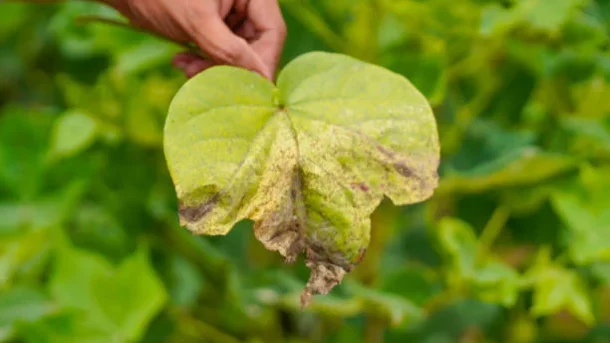
Images of crops, leaves, or fruits taken by cameras or drones can be analyzed by AI algorithms using image recognition and computer vision techniques. Machine learning approaches can find patterns and traits linked to numerous pests and diseases by training AI models on a large dataset of photos. By using visual indicators like leaf yellowing, lesions, or pest presence, this enables automatic and precise detection of certain pest and disease.

Analysis of Sensor Data: AI is capable of processing information gathered from a variety of sensors, including spectral, humidity, and temperature sensors. By comparing sensor values to known disease or pest sources.

Data fusion and integration: To increase the precision of disease and pest identification, AI may combine data from various sources, such as imaging, weather data, history records, and pest monitoring data. Artificial intelligence (AI) algorithms are able to distinguish between normal crop fluctuations and aberrant conditions brought on by pests or illnesses by merging data from several sources to find subtle patterns, recognize temporal trends, and identify patterns.

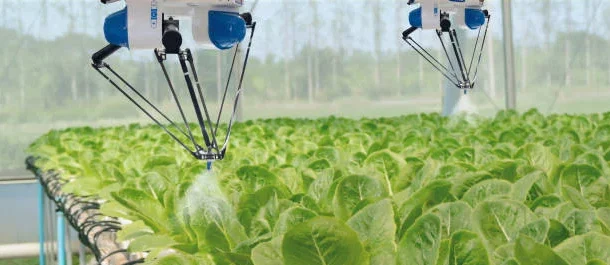
Early Warning Systems: AI is capable of creating early warning systems for outbreaks of pests and diseases. AI algorithms can forecast the possibility of pest or disease incidence by continuously monitoring and evaluating numerous data streams, including weather patterns, pest life cycles, and plant health indicators. This makes it possible for farmers to take preventative action to lessen or prevent harm, such as targeted spraying, biological management, or the use of pest-resistant crop varieties.

 How can remote sensing be used to monitor crop health?

monitor crop health

Remote sensing is the process of gathering data about distant objects or places, usually with the use of satellites, aircraft, or drones that are fitted with sensors. By offering useful insights into numerous aspects of vegetation and agricultural conditions, remote sensing technology can be utilized to monitor crop health. Here are a few applications of remote sensing in crop health monitoring or monitor crop health:

Vegetation Indices: Vegetation indices like the Normalized Difference Vegetation Index (NDVI) or the Enhanced Vegetation Index (EVI) can be calculated using remote sensing data, notably from satellite or airborne sensors. The amount of live, green vegetation that is present in a space is measured by these indexes. Following changes in these indices over time can reveal important details about the health, development, and vigor of a crop. 

Crop Stress Detection: Using remote sensing, crop stress levels can be located and measured. It is possible to identify and map regions of the field that are undergoing water stress, heat stress, or other types of crop stress by examining several spectral bands and indices, such as the Water Stress Index (WSI) or the Temperature Vegetation Dryness Index (TVDI). Farmers who want to reduce stress and avoid yield losses might use this information to help them make timely irrigation or management decisions.

Remote sensing can help with the early identification of pests and illnesses that impact crops. Crop reflectance patterns can change subtly as a result of some diseases and pests, and remote sensing instruments can record these changes. Crop spectral signatures can be examined to identify patterns connected to certain diseases or pests.

 What are the potential benefits and concerns associated with GMOs?

GMOs

Different viewpoints on genetically modified organisms (GMOs) have emerged as a result of both their potential advantages and related problems. An outline of the key arguments is provided below:

Possible advantages of GMOs:

Crop productivity can be increased by genetically modifying organisms (GMOs) to have features like resistance to pests, diseases, or environmental challenges. This may alleviate concerns about food security by increasing yields and improving food production.

Resistance to pests and diseases: Genes that provide resistance to pests or diseases can be included into GMOs. In addition to promoting sustainable pest management and reducing the need for chemical pesticides, this may also result in cheaper production costs for farmers.

Herbicide tolerance: Some GMOs are designed to withstand a particular class of herbicides, enabling farmers to control weeds more successfully and with less harm to the environment. This can help with improved resource use efficiency, less soil erosion, and effective weed management.

Added nutritional value: Crops can be enriched with particular nutrients, including vitamins or minerals, using genetic engineering. This could help vulnerable communities that are deficient in certain nutrients, improve consumer health, and increase the nutritional content of staple foods.

What are genetically modified organisms (GMOs)?

organisms

GMOs are organisms whose genetic makeup has been transformed through the use of genetic engineering methods. GMOs are crops or plants that have had certain genes from other creatures (such as other plants, animals, bacteria, or viruses) introduced into their DNA in order to confer desired traits or features. This term is used in the context of agriculture. The GMOs are given traits by the implanted genes that they wouldn’t otherwise have.

A specific gene or genes responsible for a desirable characteristic, like as insect resistance, herbicide tolerance, or enhanced nutritional value, must be isolated in order to create GMOs. Genetic engineering techniques, such as gene transfer employing Agrobacterium tumefaciens or gene gun technology, are then used to introduce the separated gene into the target plant’s genome.

Introducing or enhancing features that are advantageous for agricultural production, such as higher resistance to pests, diseases, or environmental challenges, improved nutritional value, or superior agronomic performance, is the goal of genetically altering crops organisms. GMOs have been created for a variety of crops, including papaya, cotton, canola, papaya, and soy.

It’s critical to remember that GMOs are subject to stringent regulation and testing to guarantee their safety for use in food for humans, animal feed, and the environment. To ensure the proper use and management of GMOs, numerous nations have established regulatory frameworks and procedures for the evaluation, approval, and labeling of GMOs.

How does genetic engineering contribute to crop improvement?

genetic engineering

Through the introduction of particular genes or the change of already existing genes in crop plants, genetic engineering, commonly referred to as genetic modification or biotechnology, has considerably improved crops. Here are some ways that genetic engineering enhances crops:

Pest and disease resistance: Through genetic engineering, genes that give resistance to pests, illnesses, and pathogens can be introduced. The need for chemical pesticides can be reduced, for instance, by engineering crops to produce insecticidal proteins (like Bt toxins) that selectively target pests. Similar to humans, plants can be genetically modified to increase their natural defenses against bacterial, viral, or fungal infections.

Herbicide tolerance: Through genetic engineering, genes that confer resistance to particular herbicides can be introduced. Due to this characteristic, farmers may more successfully control weeds by applying herbicides selectively without endangering the crop. Herbicide-tolerant plants encourage more effective and economical weed management by reducing the need for manual or mechanical weed control techniques.

Tolerance to abiotic stress: Genetic engineer can improve a crop’s resistance to environmental challenges including salt, drought, heat, or nutrient shortages. Genes that help plants better survive or adapt to challenging environments can be introduced by scientists. These characteristics increase crop output in areas vulnerable to these pressures and lessen the effects of climate change.

Better nutritional value: Crops’ nutritional characteristics can be improved by genetic engineering. Scientists can add or change genes that are involved in the production or accumulation of nutrients, leading in crops that have higher concentrations of vital vitamins, minerals, or other advantageous chemicals. This might help with vitamin deficits and raise the nutritional value of common food crops.