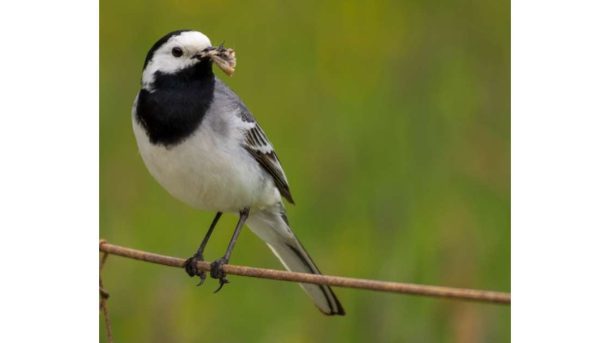
Pest control can be done mechanically by using light traps and destruction of trapped insects. Ropes are used for dislodging leaf feeding larvae e.g. caseworm and leaf folders. Pheromones are used for mating disruption and mass trapping. Removal and destruction of egg masses, larvae, pupae and adults of insect pests and diseased parts of plants wherever possible. Bird perches are installed in the field for birds to sit and feed on insects and their immature stages.
pest management
Why AESA based IPM is better than ETL ?

ETL ( Economic Threshold Level ) uses parameters that are constantly changing for calculation of pest population. Farmers cannot make decisions based only on a pest count. Before they can make the best crop management decisions, they must examine many other characteristics of the crop, as well as their own economic and social circumstances. Natural enemies, plant compensatory abilities, and abiotic variables are not taken into account in ETL-based IPM . While in AESA ( Agro-Ecosystem Analysis ) based IPM emphasis is given to natural enemies, plant compensation ability, abiotic factors and P: D ratio.
What is AESA ?
AESA or Agro-Ecosystem Analysis is the process where farmers learn how to observe the crop, how to analyze the field situation and how to make proper decisions for their crop management. AESA include analysing field situations with regard to pests, defenders, soil conditions, plant health, the influence of climatic factors and their inter-relationship for growing healthy crop. Such a critical analysis of the field situations will help in taking appropriate decision on management practices.
How termites are managed in mulberry ?
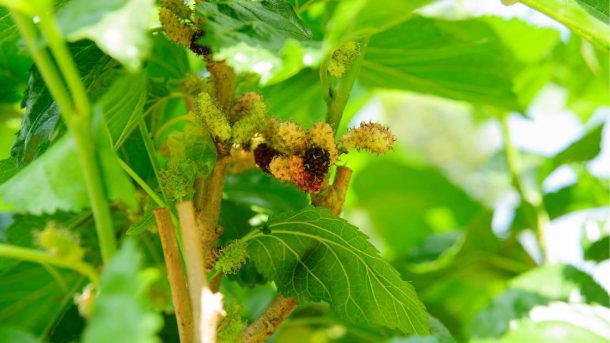
Termite colonies are located and destroyed by removing queen termite. Mounds are treated with 50 ml chlorpyriphos 20 EC. Swabbing or drenching of established plants at the base with 50 ml chlorpyriphos 20 EC.
How leaf webber causes damage in sesame?
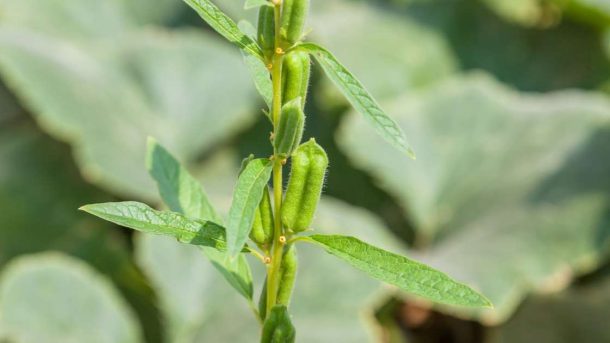
Larvae bind a few top leaves together and feed on them. The plant dies without forming any branch or shoot in the early stages of infection. Infested shoots stop growing at a later stage of the attack. Larvae eat inside flowers during flowering, while larvae dig into capsules during capsule formation to feed on developing seeds. From July to September, the pest is active.
What is augmentation in IPM ?
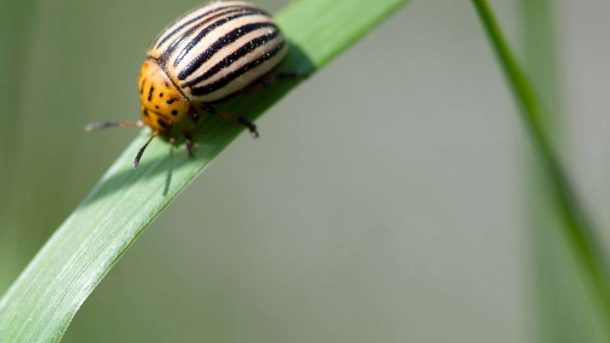
The population of natural enemies already present in the area is enlarged as a result of this procedure. This is accomplished by releasing bioagents that have been raised in the lab or collected in the field. The bioagents discharged are of the same species and in sufficient numbers to reduce the pest population in that area. This method is aimed at eradicating pests quickly in the short run.
How onion fly causes damage in onion?
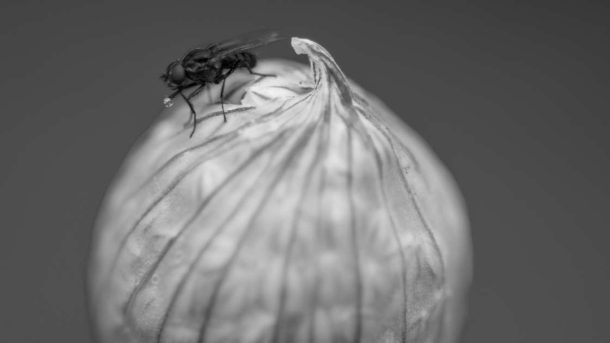
Larvae of a white colour enter the bulb and feed inside. Plants grow weak and yellow as a result of this. This pest persists in the bulb as well. As a result of the damage, onion bulbs in storage go rotting. The infested bulbs gives out an unpleasant odour. As a result, the infestation begins in the field and continues in the storage.
How pea moth larvae causes damage in pea ?

The larvae hatch from the eggs laid on the leaves and blossoms, then they enter the developing pea pod to feed the seeds. Infested pods turn yellow and ripen too soon. In certain pods, more than one larva can be seen. In early sown pea crops, the infection of these larvae may be minimal. Spray malathion 50 EC @ 10 ml or Bouveria bassiana, a fungus-based biopesticide @ 40 g per 10 lit of water if the infestation is severe.
How dusky cotton bug causes damage in cotton ?
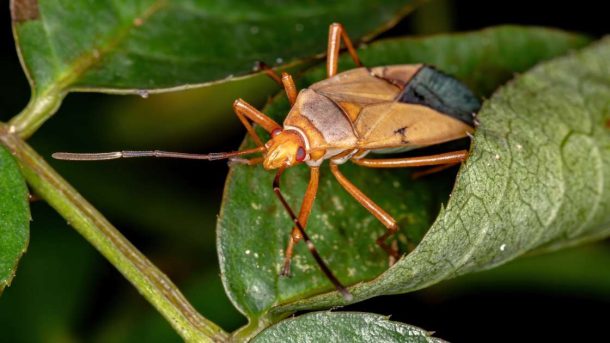
Cotton seed sap is sucked by both nymphs and adults. Damaged seeds lose weight and grow slower. This pest causes significant economic harm to the cotton crop used for seed production. Furthermore, infestation obstructs ginning and lowers cotton quality. This insect’s attack was discovered in all cotton-growing areas. Because the insect is also discovered in tied cotton bales, it has an impact on sales and exports.
How to control leaf eating caterpillar in cabbage ?
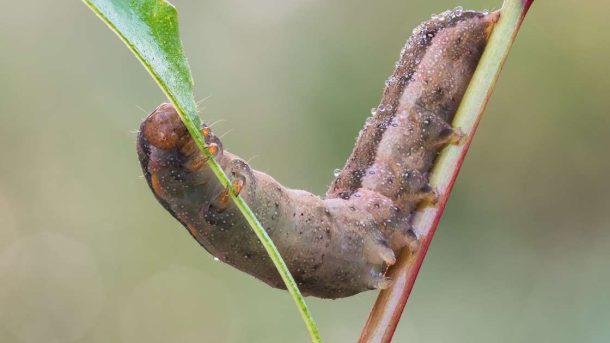
Caterpillars emerge from the egg mass, scrape the epidermal layer of the leaves, and swiftly defoliate the plants. Spray Bacillus thuringiensis, bacterial powder @ 10 g at first, then chlorfluazuron 5.4 EC @ 10 ml or cyantraniliprole 10 OD @ 10 ml per 10 lit of water if population is large.