
Plant hormones are crucial biochemicals that influence plant development and crop production under a variety of situations, including stress. Auxin, abscisic acid, ethylene, gibberellins, cytokinins, salicylic acid, strigolactones, brassinosteroids, and nitrous (nitric) oxide are examples of plant hormones. Plant hormones play an important role in plant development, starting with seed germination and ending with whole-plant senescence. They helps in flowering , aging , root growth , prevention or promotion of stem elongation ,fruit colour enhancement etc.
Nutrient requirement
What is the role of boron in plants?
Adequate boron is a crucial factor in high crop yields and quality. Boron is a micronutrient that promotes sugar transport, formation of cell wall, production of amino acids, crop reproduction, flowering, fruiting and crop quality.
What are micronutrients?

Micronutrients are critical nutrients for crop growth that are only required in trace amounts. Despite the fact that micronutrient demands are minimal, these nutrients have a direct impact on crop growth and development. Excessive levels of micronutrients are extremely rare because farmers focus primarily on macronutrient application. Crop growth and quality, on the other hand, will be harmed if there is a deficiency. Micronutrients include elements such as Boron (B), Chlorine (Cl), Copper (Cu), Iron (Fe), Manganese (Mn), Molybdenum (Mo), Nickel (Ni), Zinc (Zn).
What is the role of nitrogen in plants ?
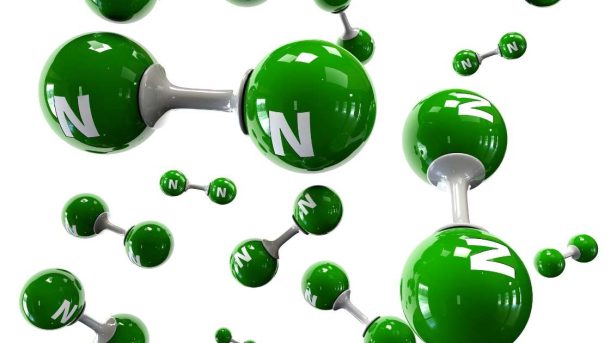
Nitrogen is one of the primary macronutrient that is required by plants in large quantity. Functions of nitrogen includes promoting transportation in xylem and phloem, synthesis of hormones such as cytokines , osmoregulation. Nitrogen is also a component of the chlorophyll molecule, which enables the plant to capture sunlight energy by photosynthesis, driving plant growth and grain yield. Nitrogen plays a critical role within the plant to ensure energy is available when and where the plant needs it to optimize yield. This crucial nutrient is even present in the roots as proteins and enzymes help regulate water and nutrient uptake.
What are the symptoms of calcium deficiency in plants ?

Calcium insufficiency manifests itself first on younger leaves and tissues, with stunted growth and a bushy look. The youngest leaves are often tiny and malformed, with brown chlorotic patches growing along the borders and finally uniting in the middle. Leaves may be cup-shaped and crinkled and the terminal buds deteriorate with some breakdown of petioles. Veins are also brown, making the black veins of fully necrotic leaves a common trait of Ca-deficient plants. Crinkled and torn leaves are also possible. In Ca-deficient plants, root tip development is inhibited. Under severe deficiency ,dessication of growing points of plants occur.
.
What are the symptoms of phosphorous deficiency ?
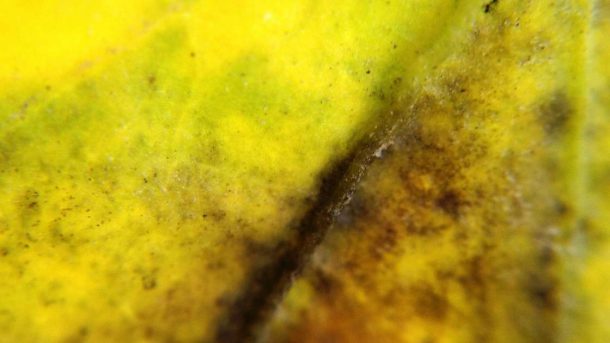
Symptoms of phosphorus deficiency include stunted appearance of plant, characteristic dark to blue-green discoloration of matured leaves , and restricted root development. In acute deficiency, occasional purpling of leaves and stems and spindly growth can be observed. Delayed maturity and poor seed and fruit development also occurs due to phosphorus deficiency.
What are the symptoms of nitrogen deficiency?

Nitrogen deficiency symptoms include stunted growth, lower protein content reduced deficiency incase of acute deficiency. Other symptoms include appearance of pale-yellow color leaves in the older leaves, starting from the tip due to reduced chlorophyll content. This is followed by death or dropping of older leaves depending on degree of deficiency. Low root/shoot ratio is observed due to increased root growth and stunted shoot growth. Nitrogen deficiency is common in nature. Plants have developed response mechanisms to nitrogen deficiency which include hormonal up regulation of root growth, and closing of aqua pores which results in shoot water stress and stunted shoot growth.