Irrigation

What are the benefits of using controlled-release fertilizers?

controlled-release fertilizers

In comparison to conventional fertilizers, controlled-release fertilizers (CRF) provide a number of advantages, mainly because they may release nutrients gradually and reliably over an extended period of time. The following are the main benefits of using fertilizers with controlled release:

Increased efficiency in the utilization of nutrients: CRF releases nutrients gradually, better meeting the needs of plants for nutrients. Leaching, volatilization, and runoff nitrogen losses are decreased by this controlled release. Because of this, a greater percentage of applied nutrients are successfully absorbed by plants, improving nutrient usage effectiveness and lowering environmental impact.

Extended nutrient availability: Depending on the precise formulation, CRF gives plants a consistent and protracted supply of nutrients over the course of weeks or months. This helps to prevent nutritional deficits by ensuring that plants have access to nutrients during all phases of their growth.

Impact on the ecosystem is lessened thanks to CRF’s slow-release properties, which reduce nutrient losses into the environment. Eutrophication of aquatic ecosystems and pollution of water bodies are both prevented by this reduction in nutrient discharge and leaching. By reducing the environmental impact of nutrient application, controlled-release fertilizers aid in the development of more sustainable agricultural methods.

Nitrogen is a crucial nutrient for plant growth, but when administered in excess or in soluble forms, it is susceptible to leaching. Leaching is less likely when nitrogen is released gradually because to CRF’s controlled-release mechanism. This not only increases the effectiveness of nitrogen use but also aids in preventing groundwater contamination and safeguarding water quality.
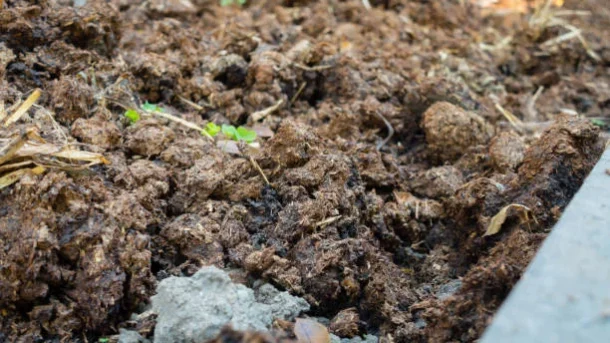

What are the benefits of using biological fertilizers in agriculture?

biological fertilizers

Biological fertilizers, usually referred to as biofertilizers, have a number of advantages in agricultural methods. Some of the main advantages of employing organic fertilizers are as follows:

Increased Nutrient Availability: Biological fertilizers contain helpful microorganisms that increase the availability of nutrients in the soil, such as nitrogen-fixing bacteria, phosphate-solubilizing bacteria, or mycorrhizal fungi. These microbes transform or saturate nutrients so that plants can access them more easily. Therefore, biological fertilizer encourage improved crop nutrient uptake and utilization.

Biological fertilizer aid in the management of nutrients in agriculture in a sustainable way. They lessen the reliance on synthetic fertilizers, which may have detrimental effects on the environment, by utilizing natural processes and biological interactions. Biological fertilizer encourage long-term soil health and fertility while supporting the natural nutrient cycling.

Environmentally Friendly: Biological fertilizers are safer than chemical fertilizers for the environment. They minimize the possibility of nutrient leaching or runoff, which can lead to water contamination, by releasing nutrients gradually and under controlled conditions. Additionally, the risk of environmental pollution is decreased by the absence of dangerous chemicals or heavy metals in biological fertilizer.

Improved Soil Health: By encouraging beneficial microbial activity and soil biodiversity, biological fertilizers enhance soil health. The microorganisms found in biofertilizers help improve soil structure, nutrient cycling, and organic matter breakdown. Because of the improved soil fertility, moisture retention, and general soil health, crops grow and produce more effectively.

How can data-driven decision-making optimize farm management?

data-driven decision-making

By using precise and timely data to inform and guide diverse agricultural operations, data-driven decision-making improves farm management. How data-driven decision-making can improve farm management is as follows:

Optimizing Input Use: Farmers can choose the precise use of fertilizers, irrigation, and other inputs by carefully considering data on soil fertility, nutrient levels, and crop requirements. Farmers may maximize input use with the help of data-driven insights, ensuring that crops get the proper amount of nutrients at the right time. This lessens waste, lowers expenses, and boosts resource efficiency.

Precision Agriculture: Based on data insights, precision agriculture practices entail applying inputs and managing fields at the sub-field level. This is made possible by data-driven decision-making. Farmers can spot changes in crop yields by combining information from sensors, satellite photography, and field monitoring.

Data analysis assists farmers in identifying and reducing hazards in their operations. It is possible to evaluate prospective risks and make defensible decisions by using historical data on weather patterns, pest outbreaks, or market trends. For instance, depending on risk analyses and predictive models, farmers can modify planting schedules, put in place pest monitoring programs, or diversify crop types. This pro-active strategy aids in managing and reducing prospective losses.

Operational Efficiency: By streamlining farm operations and allocating resources more effectively, data-driven decision-making enhances operational efficiency. Farmers can spot bottlenecks, inefficiencies, or opportunities for improvement by examining data on equipment performance, labor productivity, or field logistics. By maximizing the use of manpower and equipment and minimizing downtime or delays, data insights enable better planning and scheduling of farm activities.

 What is the role of big data analytics in modern agriculture?

big data analytics

By utilizing the enormous amount of data generated by farming operations, big data analytics plays a significant role in modern agriculture by gaining insightful information, streamlining decision-making, and increasing overall farm efficiency. Here are a few crucial functions of big data analytics in contemporary agriculture:

Data Gathering and Integration: The agricultural ecosystem’s numerous data types can be gathered, integrated, and managed using big data analytics. Data from sensors, satellites, drones, weather stations, equipment, and farm management systems are included in this. Farmers can acquire a thorough picture of their business operations and take wise decisions by combining and evaluating different data sources.

Forecasting and Predictive Analytics: Big data analytics enables the use of forecasting and predictive modeling methods in agriculture. Analysis of historical data predictive analytics can estimate yields, disease outbreaks, or market trends through the analysis of historical and real-time data, such as weather patterns, soil conditions, crop growth stages, and insect dynamics. These insights support farmers in risk management, planting schedule planning, and resource allocation optimization.

Precision Agriculture with Variable Rate Technology: By employing spatial data and variable rate technology, big data analytics supports precision agriculture methods. Farmers can recognize variability in their fields and tailor the application of inputs, such as fertilizer, water, or pesticides, based on the particular requirements of various locations by analyzing soil maps, satellite photos, and sensor data. This focused strategy reduces the environmental impact while maximizing resource efficiency.

Real-time monitoring and analysis of crops and livestock are made possible by big data analytics.

 What are the advantages of using genetically modified crops?

genetically modified

There are a number of advantages to using genetically modified (GM) crops, which can help farmers, consumers, and the environment. Some of the main benefits of utilizing genetically modified crops are as follows:

GM crops are frequently developed to express characteristics that improve crop productivity, increasing crop yield. For instance, crops can be altered to withstand pests, illnesses, or environmental challenges like salt or drought. Genetically modified crops can help to boost agricultural productivity and food production by minimizing yield losses brought on by pests or unfavorable growth circumstances.

Improved Crop Quality: Through the introduction of characteristics that increase nutrient value, flavor, or shelf life, genetic manipulation can improve crop quality. For instance, GM crops can be modified to have more vitamins or minerals, hence preventing nutrient shortages.

Disease and Pest Resistance: GM crops can express resistance against particular pathogens or pests. As a result, fewer chemical pesticides or fungicides are required, reducing pesticide use and the related hazards to the environment. GM crops that are resistant to pests can lower crop losses from insect damage and encourage more environmentally friendly pest control methods.

Reduced Environmental Impact: Growing GM crops can have advantageous effects on the environment. Genetically modified (GM) crops can lessen exposure to non-target creatures, reduce chemical runoff into water bodies, and safeguard valuable insects by using less pesticides. Additionally, certain GM crops are made to consume less water or to withstand particular environmental conditions, resulting in more effective water use and less impact on the environment.

How can satellite imagery contribute to precision agriculture?

satellite imagery

Satellite imagery is essential to precision agriculture because it offers insightful information and useful data for efficient farm management. Here are some ways that satellite imaging benefits precision agriculture:

Crop Monitoring and Health Assessment: Detailed information regarding vegetation indicators, such as NDVI (Normalized Difference Vegetation Index), which depicts plant health and vigor, is captured by satellite imagery. Farmers may monitor crop growth, spot early indications of stress, pinpoint possible production fluctuation, and take corrective action by studying satellite photos. This enables resource allocation that is both targeted and efficient.

Crop Yield Estimation and Prediction: Crop yields can be estimated and predicted using satellite imaging, ground truth data, and historical records. Satellite imaging aids farmers in evaluating agricultural yields by examining vegetation patterns, growth rates, and other crop indicators.

Field Zoning and Variable Rate Application: By highlighting regions with different crop health or vigor, satellite imagery helps to create field zoning maps. These maps can serve as a guidance for farmers applying inputs at variable rates, such as fertilizer, insecticides, or irrigation. Farmers optimize resource utilization and increase crop yield by adjusting input application rates to the unique requirements of various zones within a field.

Management of Drought and Water: Satellite photography gives data on soil moisture content and drought conditions across wide areas. Farmers may better manage irrigation schedule, direct water supplies to regions in need, and lessen the impact of drought on crop production by evaluating water stress indicators obtained from satellite data. This improves water use effectiveness and preserves water supplies.

What are the benefits of using sensor-based irrigation systems?

sensor-based irrigation systems

Sensor-based irrigation systems have a number of advantages for streamlining irrigation and maximizing water usage. Some of the main advantages of employing sensor-based irrigation systems are as follows:

Better water management: Sensor-based irrigation system offer real-time information on soil moisture levels, weather, and plant water needs. With the use of this information, accurate water management is made possible, ensuring that plants get the proper amount of water at the appropriate time. Sensor-based irrigation systems maximize water utilization and lower water waste by avoiding over- or under-irrigation.

Water Conservation: By reducing superfluous watering, sensor-based systems contribute to water conservation. Tensiometers or soil moisture sensors monitor the amount of moisture in the root zone and enable watering to only start when the soil moisture falls below a predetermined level. This avoids excessive irrigation and runoff, which would cause substantial

Precision irrigation is made possible by sensor-based system, which feed water to the plant’s root zone based on its real moisture requirements. With this focused application, water is utilised by the plants more effectively and is lost less through evaporation or deep percolation. Precision irrigation improves irrigation consistency and lessens plant water stress.

Energy savings: By integrating sensor-based irrigation systems with automated control systems, watering may be precisely scheduled and run based on sensor readings. With this automation, less manual work is required, and energy utilization is maximized. Sensor-based technologies aid in energy savings in irrigation operations by lowering pumping and energy requirements.

How does fertigation optimize nutrient delivery to plants?

fertigation optimize

By supplying nutrients to plants through the irrigation system, the process known as fertilization combines irrigation and fertilization. It provides numerous options for enhancing fertilizer delivery, enhancing nutrient uptake and increasing plant yield. To give you an example of how fertigation optimize plant nutrient uptake:

Application with Clarity and Focus: Fertigation makes it possible to apply nutrients with clarity and focus right to the plant’s root zone. Nutrients are supplied evenly and effectively by injecting fertilizers into irrigation water, avoiding nutrient waste and maximizing their availability for plant uptake.

fertigation optimize ensures that nutrients are distributed uniformly across the entire field. Whether it be a drip irrigation system, sprinklers, or center pivots, the irrigation system distributes water and nutrients consistently, preventing changes in nutrient concentrations across the field. 

Application of nutrients at the best time possible by synchronizing fertilization with the plant’s developmental stage and nutrient needs. When plants are at crucial growth phases and have the greatest need for nutrients, nutrients can be applied to increase nutrient uptake and utilization. This careful sequencing maximizes the availability of nutrients during critical growth phases, enhancing crop development and production.

Flexibility in Nutrient Composition: Using fertilization, it is possible to modify the concentration and composition of nutrients according to the needs of the crop and the soil. Farmers can alter the fertilizer mix to match particular crop nutrient needs or to correct any shortfalls discovered through soil testing or plant tissue analysis. This adaptability improves nutrient balance and prevents nutrient imbalances, which can harm the health and productivity of plants.

 What are the advantages of using drip irrigation systems?

drip irrigation systems

Comparing drip irrigation systems to conventional irrigation techniques, there are a number of benefits. Some of the main benefits of employing drip irrigation are as follows:

Water Efficiency: Drip irrigation uses water very effectively. It minimizes evaporation and reduces water loss through runoff or deep percolation by delivering water directly to the plant’s root zone. Water resources are conserved while ensuring that plants receive the essential moisture thanks to this precise application of water.

Water Application Precision: Drip irrigation allows for precise water application management. Water is distributed precisely and uniformly across the field via emitters or drip tapes because the water is released at a slow, steady rate. With less over-irrigation and less water stress on plants, this precision aids in the efficient use of water.

Reduced Weed Growth: Drip irrigation avoids wetting the entire field surface by delivering water directly to the crop’s root zone. This lessens the amount of moisture that weeds may get, reducing weed germination and growth. Farmers can thus save money on labor and pesticide expenses related to weed control.

Efficiency in terms of nutrients: Fertigation, or mixing fertilizer with irrigation water, can be incorporated into drip irrigation systems. In order to ensure effective nutrient uptake by plants, this enables accurate and targeted nutrient delivery to the root zone. Leaching and runoff nutrient losses are reduced, increasing the effectiveness of fertilizer application.

 How can climate-smart agriculture mitigate the impact of climate change on crops?

climate-smart agriculture

A variety of techniques can be used in climate-smart agriculture to lessen the effects of climate change on crops. Here are a few ways that climate-smart agriculture might lessen the effects of climate change:

Adaptation to Changing circumstances: The focus of climate-smart agriculture is on adopting techniques that increase crops’ resistance to changing climatic circumstances. For example, choosing and breeding crop varieties that can withstand heat, drought, or waterlogging. Farmers can lessen the negative effects of climate change on crop productivity by selecting the right crop kinds.

Water Management is Improved: Climate-smart agriculture encourages effective water management techniques. Water is conserved and crop water stress is decreased by using methods like precision irrigation, mulching, and drip irrigation. Crops can endure droughts better by maximizing water consumption and reducing water loss.

Conservation agricultural: By enhancing soil health and moisture retention, conservation agricultural techniques including minimal tillage, cover crops, and crop rotation help reduce the effects of climate change. These techniques boost soil organic matter content, decrease soil erosion, and increase water infiltration. Drought, temperature changes, and other harsh weather occurrences are less likely to damage healthy soils.

Agroforestry and Windbreaks: By including trees or windbreaks in agricultural landscapes, crop damage from climate change can be reduced. Crops are shielded from high heat or wind damage by trees’ provision of shade, control of microclimates, and reduction of wind speeds. Additionally, agroforestry systems capture carbon dioxide, reducing greenhouse gas emissions.