It’s ideal for small-flowered species. Emasculation is performed in the morning, as soon as the petals open. The anthers are sucked off the blooms using a thin rubber or glass tube coupled to a suction hose. The quantity of suction employed is critical, since it must be enough to suction pollen and anthers but not gynoecium.10% self-pollination is likely to occur in this manner. Although washing the stigma with a jet of water may assist to reduce self-pollination, this procedure does not completely eliminate it.
farming practices
How tagging is practiced in flowers ?
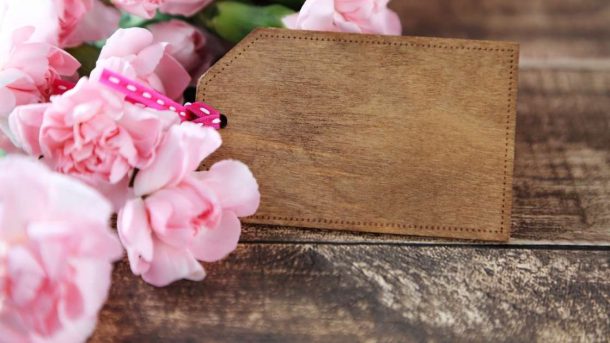
The flowers are tagged just after bagging. They are attached to the inflorescence or to the flower with the help of a thread. After that , date of emasculation, date of pollination, parentage and no. of emasculated flowers are noted .
What is emasculation ?
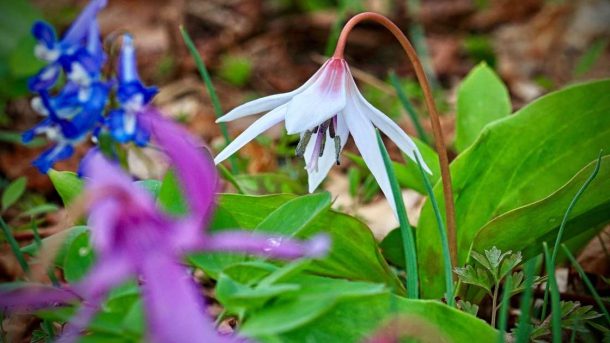
Emasculation is the removal of stamens or anthers from a flower or killing of pollen without the female reproductive organ. Emasculation is required in bisexual flowers to prevent self-pollination. Male flowers are eliminated from monoecious plants. Hand emasculation is accurate and adequate in species with large blooms, such as cotton and pulses.
How training and pruning is done in pomegranate ?
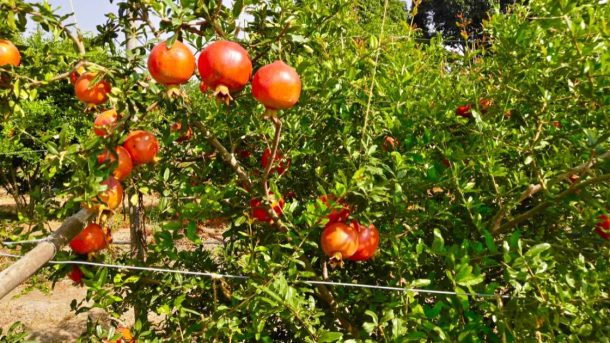
Fruits are produced at the end of shoot growth that emerges from mature wood. After the harvest is finished in December, annual pruning is done to promote new shoots on all sides by eliminating one third of the previous season’s growth. Dry, diseased, and cross-cross branches, as well as root suckers, are removed. The tree is trained to produce a single stem up to 60 cm in length with three or four scaffold branches. The fruit will be larger if the flower clusters are thinned.
What is grafting in plants ?
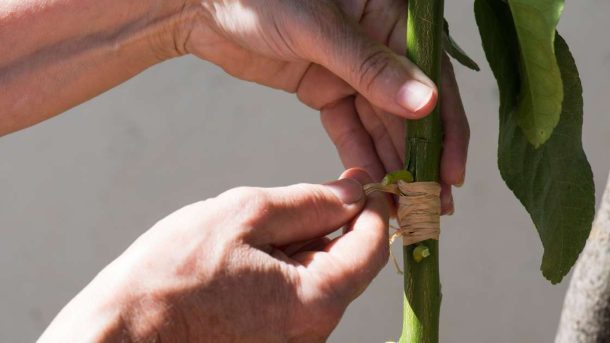
Grafting is a union of two related plants referred as stock & scion. The Stock or a Rootstock is wild, natural, vigorous, healthy, disease free, & the one with well-developed rooting system. The Scion is a high-quality, superior variety that possesses commercially &/or aesthetically desirable characters. In an ideal graft, roots & central main stem belong to stock, whereas all the growing branches, leaves, flowers & fruits belong to the scion.
What are the advantages of nursery management ?
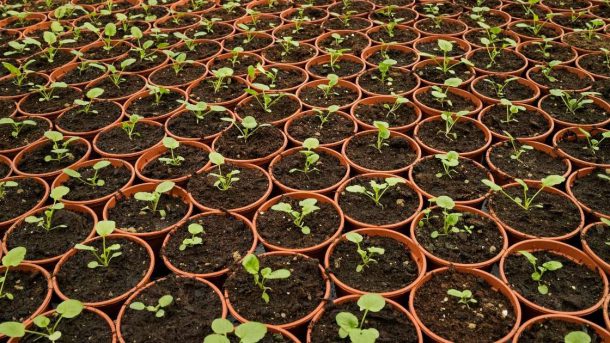
It is possible to provide favourable growth conditions i.e. germination as well as growth. Better care of younger plants as it is easy to look after nursery in small area against pathogenic infection pest and weed. Crop grown by nursery raising is quite early and fetch higher price in the market. So economically more profitable. There is saving of land and labour as main field will be occupied by the crop for lesser duration. Hence intensive crop rotation can be followed. More time is available for the preparation of main field because nursery is grown separately. As vegetable seeds are very expensive, particularly hybrids, seed cost can be economized by sowing them in the nursery.
What are the advantages of zero till sowing of wheat ?
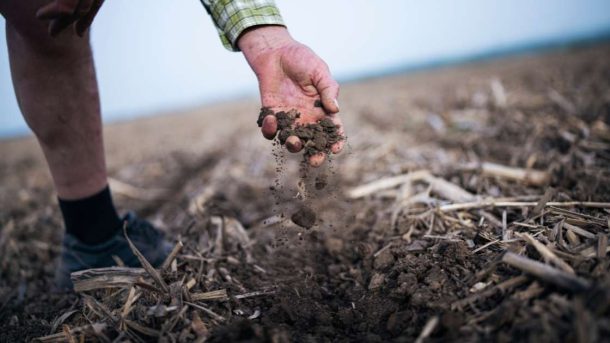
When compared to traditional wheat planting, zero till sowing might save 68 percent of time and 85 percent of the cost of operation. The zero-till drill was more efficient since the crop could be sown over a larger area in a shorter amount of time when moisture was available. The cost of a zero till drill is between Rs.45,000 and Rs.60,000. Two days earlier than usual, with more uniform germination and a better plant stand.
What is pre-drying?
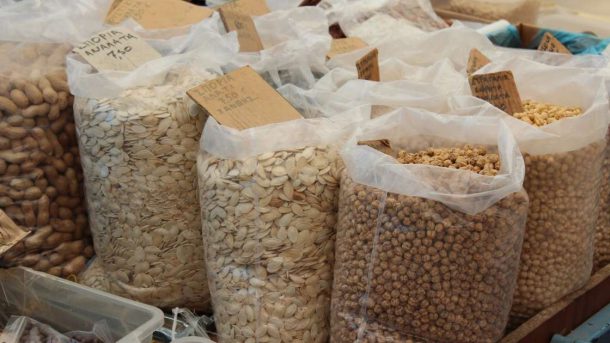
The stage of the post-harvest system during which the harvested product is dried in order to undergo the next operation of threshing in the best possible conditions is referred to as “pre-drying.”The cut areas of the plant may include too much green plant debris during harvest time, and all of the grains may not have reached a uniform degree of maturity or have a moisture level that is too high. This necessitates pre-drying.
What is chawki rearing in sericulture ?
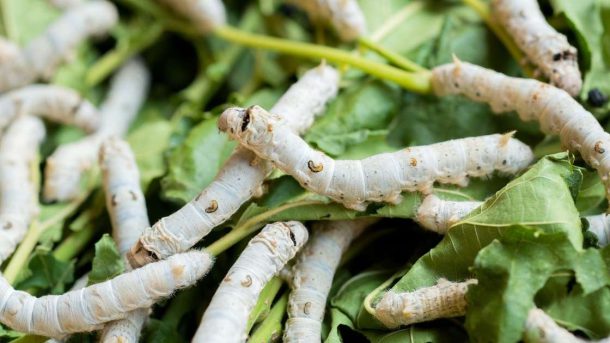
Chawki means the first two stages of silkworm rearing. If the chawki worms are not reared properly, the later stages will result in crop losses. Hence, chawki is the most crucial period of silkworm rearing that demands optimum temperature and humidity, hygienic conditions, quality tender leaf, good rearing facilities and above all technical skills.
How to extract honey from rock & dwarf honeybees?
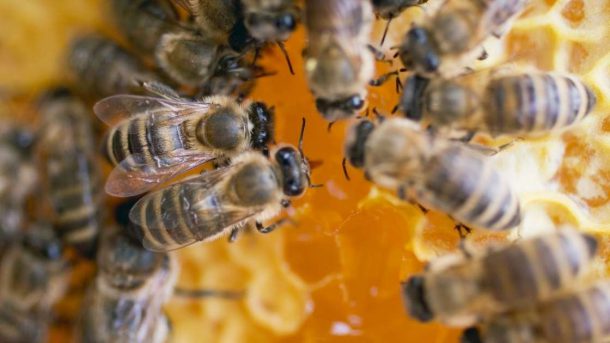
Most honey hunters cut down the entire combs after burning the bees out, destroying all the brood and food supplies. While hunting honey, a significant number of young bees, hundreds of adult bees, and occasionally even a queen and drones are killed. Watching the bees come and go from the hive can convey important clues about the colony.