Crop varieties

How does real-time monitoring of crop conditions optimize pest control measures?

real-time monitoring

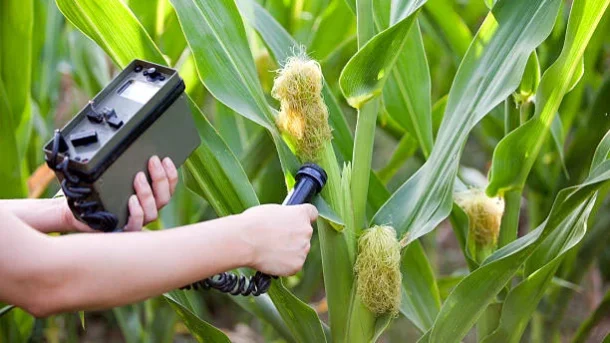
By providing fast and reliable information on insect populations, infestation levels, and crop health, real-time monitoring of crop conditions plays a critical role in improving pest control efforts. Real-time monitoring improves pest management in the following ways:

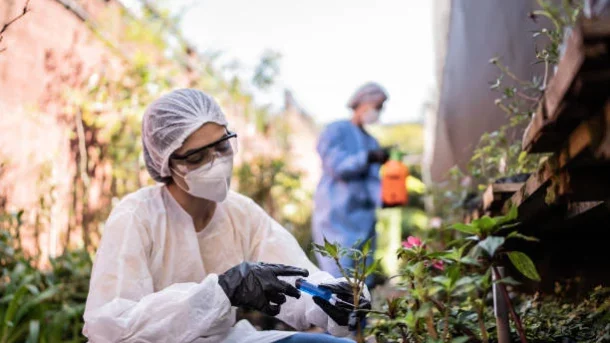
Real-time monitoring enables early detection of pests or indications of harm from pests. Farmers can spot the presence of pests at the first signs of infestation by using a variety of monitoring tools such traps, sensors, or visual inspection. Early discovery allows for prompt action and focused pest management techniques, reducing pests’ ability to spread and their effects.

Effective action: Up-to-date information on pest activity and population dynamics is provided by real-time monitoring. Farmers can choose the best time to intervene in pest management using this knowledge.

Real-time monitoring enables farmers to establish pest population thresholds or action levels based on scientific information and regional circumstances. Farmers can decide when to start pest management techniques by establishing these criteria. The right timing and level of pest management actions can be determined using monitoring data along with knowledge about pest biology and crop vulnerability. Through the avoidance of pointless pesticide treatments when pest populations are below harmful levels, threshold-based decision making supports sustainable pest management.

Targeted management methods: Real time monitoring provide information on the location and population density of the specific pest species. Farmers can use this information to create targeted pest control techniques that are specific to the identified pests. Farmers can use selective pesticides to prevent the use of broad-spectrum pesticides, which can kill beneficial creatures and disturb the ecological balance.
What is the role of robotics in selective harvesting of high-value crops?

selective harvesting

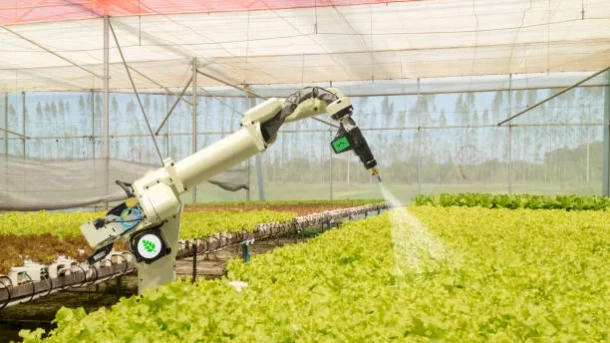
By offering accurate and effective solutions, robotics plays a vital role in the selective harvesting of high-value crops. Here are several ways that robotics aids in selective harvesting:

Robotic systems are made to move with accuracy and precision, enabling them to choose harvest particular crops or individual fruits without harming the nearby plants or produce. With such accuracy, high-quality harvests are guaranteed, reducing losses and retaining the crop’s worth.

Robotics used in selective harvesting frequently include sophisticated vision systems and sensors. Robots can now discover and recognize mature or ripe crops based on their color, size, texture, or other visual or sensory clues. Robots can precisely focus the harvesting by identifying and identifying crops at the desired level of development.

Gentle handling is necessary to prevent bruising or damage when harvesting high-value crops, such as delicate fruits. Robots can be programmed to carefully handle crops by using suction devices, soft-touch grippers, or gentle gripping mechanisms. This keeps the produce’s quality intact and reduces physical stress on it, making it more acceptable for premium markets.

Speed and efficiency of harvesting are boosted since robots are able to work constantly without the restrictions of human labor. Robots can pick crops at the perfect time, lowering the risk of overripeness and ensuring optimum yield thanks to their capacity to run continuously. Robots can also consistently do repetitive chores, which lowers labor costs and frees up human laborers for more complicated agricultural duties.

How can remote sensing techniques help detect nutrient deficiencies in crops?

remote sensing

Remote sensing and data integration: AI can use remote sensing data to monitor crop health and spot disease outbreaks over wide areas, such as satellite imaging or drone-based multispectral photos. Artificial intelligence (AI) can evaluate complicated interactions and correlations to discover illness risk factors and forecast the prevalence of diseases by combining data from various sources, such as meteorological data, soil conditions, and historical records. The decision-making process for managing and preventing diseases is improved by this data-driven approach.

Disease modeling and prediction: Using environmental factors, crop growth stages, and past disease data, AI can create predictive models that predict disease outbreaks. Artificial intelligence (AI) algorithms can produce precise disease risk assessments and offer early warning systems by evaluating enormous datasets and locating pertinent variables. 

Spectral bands that are particular to nutrients: Some nutrients have distinct absorption or reflectance characteristics that can be found through remote sensing. For instance, whereas the Photochemical Reflectance Index (PRI) might reveal changes in carotenoid pigments linked to nutritional stress, the Red Edge Position (REP) represents the nitrogen status of plants. Remote sensing can shed light on nutritional deficiency by examining these particular spectral bands.

Remote sensings enables the spatial mapping of variability in a field, such as nutrient deficits. Remote sensing techniques can identify fluctuations in nutrient levels and pinpoint particular places with nutritional deficits by gathering data over a vast area. With the help of this knowledge, targeted actions can efficiently fix nutrient imbalances, including variable rate fertilization.

How can AI improve pest and disease detection in crops?

pest and disease

By utilizing cutting-edge technologies and data analysis methodologies, AI can dramatically improve the detection of pest and disease in crops. Here are a few ways that AI might enhance the identification of pests and diseases:

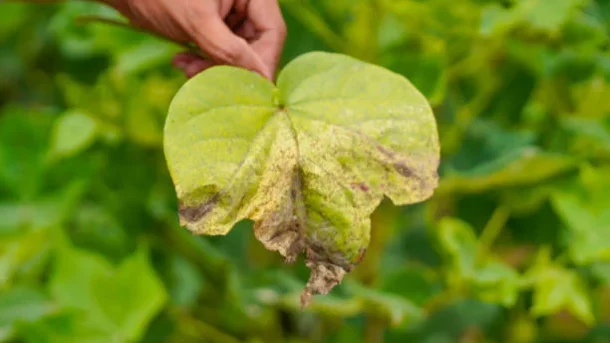
Images of crops, leaves, or fruits taken by cameras or drones can be analyzed by AI algorithms using image recognition and computer vision techniques. Machine learning approaches can find patterns and traits linked to numerous pests and diseases by training AI models on a large dataset of photos. By using visual indicators like leaf yellowing, lesions, or pest presence, this enables automatic and precise detection of certain pest and disease.

Analysis of Sensor Data: AI is capable of processing information gathered from a variety of sensors, including spectral, humidity, and temperature sensors. By comparing sensor values to known disease or pest sources.

Data fusion and integration: To increase the precision of disease and pest identification, AI may combine data from various sources, such as imaging, weather data, history records, and pest monitoring data. Artificial intelligence (AI) algorithms are able to distinguish between normal crop fluctuations and aberrant conditions brought on by pests or illnesses by merging data from several sources to find subtle patterns, recognize temporal trends, and identify patterns.

Early Warning Systems: AI is capable of creating early warning systems for outbreaks of pests and diseases. AI algorithms can forecast the possibility of pest or disease incidence by continuously monitoring and evaluating numerous data streams, including weather patterns, pest life cycles, and plant health indicators. This makes it possible for farmers to take preventative action to lessen or prevent harm, such as targeted spraying, biological management, or the use of pest-resistant crop varieties.

What are genetically modified organisms (GMOs)?

organisms

GMOs are organisms whose genetic makeup has been transformed through the use of genetic engineering methods. GMOs are crops or plants that have had certain genes from other creatures (such as other plants, animals, bacteria, or viruses) introduced into their DNA in order to confer desired traits or features. This term is used in the context of agriculture. The GMOs are given traits by the implanted genes that they wouldn’t otherwise have.

A specific gene or genes responsible for a desirable characteristic, like as insect resistance, herbicide tolerance, or enhanced nutritional value, must be isolated in order to create GMOs. Genetic engineering techniques, such as gene transfer employing Agrobacterium tumefaciens or gene gun technology, are then used to introduce the separated gene into the target plant’s genome.

Introducing or enhancing features that are advantageous for agricultural production, such as higher resistance to pests, diseases, or environmental challenges, improved nutritional value, or superior agronomic performance, is the goal of genetically altering crops organisms. GMOs have been created for a variety of crops, including papaya, cotton, canola, papaya, and soy.

It’s critical to remember that GMOs are subject to stringent regulation and testing to guarantee their safety for use in food for humans, animal feed, and the environment. To ensure the proper use and management of GMOs, numerous nations have established regulatory frameworks and procedures for the evaluation, approval, and labeling of GMOs.

 How does regenerative agriculture promote soil health and biodiversity?

soil health and biodiversity

Regenerative agriculture is a method of farming that emphasizes improving ecosystem processes, such as soil health and biodiversity, and restoring them. It entails techniques that enhance soil organic matter, enhance soil structure, and support a variety of plant and animal life in harmony with natural systems. Here are some ways that regenerative agriculture encourages soil health and biodiversity:

Regenerative agriculture approaches place an emphasis on the use of cover crops, crop rotation, and little soil disturbance (such as no-till or reduced tillage). These techniques help to increase soil organic matter and carbon sequestration. By increasing the amount of plant leftovers that are introduced into the soil, these techniques improve soil organic matter buildup. Improved soil structure, water-holding capacity, nutrient retention, and microbial activity are all benefits of soil organic matter. A further benefit of increasing soil organic matter is the storage of carbon.

Cycling of nutrients and the soil microbiology are both supported by regenerative agriculture. A consistent source of organic matter and root exudates is provided through the use of cover crops and varied crop rotations, which in turn feed beneficial soil microbes. As a result of microbes decomposing organic materials and increasing the availability of nutrients to plants, this improves nutrient cycling. Improved soil fertility, disease prevention, and overall ecosystem resilience are all benefits of healthy soil microbiomes.

The maintenance of hedgerows, buffer strips, or diversified field edges, among other regenerative agricultural methods, creates homes for beneficial insects, pollinators, birds, and other species. These environments promote biodiversity and aid in environmental balance, pollination, and natural pest management. Agroecosystems that are more resilient and well-balanced are made possible by promoting natural biodiversity.

What are the benefits of using biochar in soil?

biochar in soil

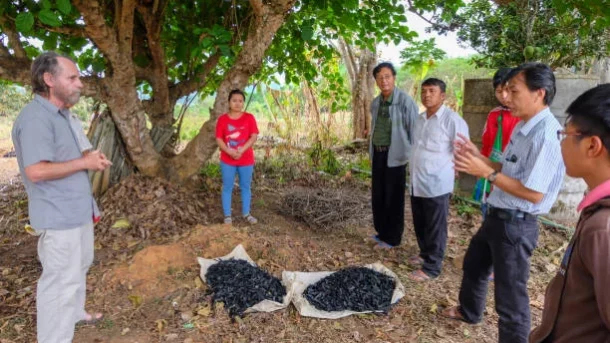
Numerous advantages for soil health, crop productivity, and environmental sustainability come from using biochar in soil amendment. Some of the main advantages of applying biochar to soil are as follows:

Increased availability and retention of nutrients are two ways that biochar improves soil fertility. Because of the high cation exchange capacity (CEC) of its porous structure, it can draw in and store nutrients like nitrogen, phosphorus, and potassium. This encourages nitrogen retention in the root zone, which reduces nutrient leaching and increases nutrient availability to plants over time.

Enhanced soil water-holding capacity is made possible by biochar’s porous structure. It can hold onto moisture and release it gradually to plant roots, lowering the requirement for irrigation and increasing the amount of water accessible to plants during dry spells. 

Numerous advantages for soil health, crop productivity, and environmental sustainability come from using biochar as a soil amendment. Some of the main advantages of applying biochar to soil are as follows:

Increased availability and retention of nutrients are two ways that biochar improves soil fertility. Because of the high cation exchange capacity (CEC) of its porous structure, it can draw in and store nutrients like nitrogen, phosphorus, and potassium. This encourages nitrogen retention in the root zone, which reduces nutrient leaching and increases nutrient availability to plants over time.

Enhanced soil water-holding capacity is made possible by biochar’s porous structure. It can hold onto moisture and release it gradually to plant roots, lowering the requirement for irrigation and increasing the amount of water accessible to plants during dry spells. 

How can IoT improve farm management and efficiency?

farm management

The Internet of Things (IoT), which offers real-time data, automation, and remote monitoring capabilities, has the potential to greatly increase farm management and efficiency. Several methods that IoT can improve agricultural management are listed below:

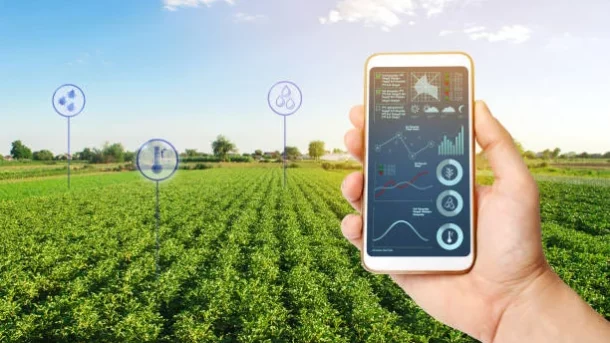
Precision farming: Real-time data collection on soil moisture, temperature, humidity, and nutrient levels is possible using IoT sensors and devices. To make irrigation schedules, nutrient treatments, and crop management procedures more effective, this data can be examined. With the help of precision agriculture, farmers can make informed decisions that maximize crop yields and ensure that resources are used effectively.

Remote management: Farmers can remotely monitor and manage their farms thanks to IoT. Farmers may obtain data regarding environmental conditions, crop health, and livestock status at any time, anywhere, thanks to connected equipment and sensors. 

Systems for automation and control: IoT technology makes it possible to automate and farm management a variety of farm operations. Connected devices can control greenhouse settings, irrigation systems, lighting cycles, and livestock feeding systems. Automation lessens the need for manual labor, boosts operational effectiveness, and provides precise and constant management of crucial activities.

Management of livestock: IoT devices can be used to track the whereabouts of livestock, track their health, and offer real-time information on their activity. Wearable sensors and other connected devices can track eating habits, look for disease symptoms, and offer information on the general health of the animals. Farmers may improve livestock management techniques, identify health issues early, and optimize feeding regimens with the use of this information.

 How does CEA allow for year-round production?

year-round

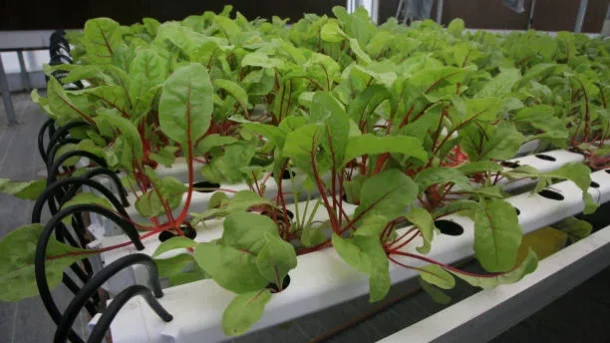
Crop production is made possible year-round by controlled environment agriculture (CEA), which establishes and sustains ideal growing environments independent of the weather outside. Here is how CEA makes it possible to produce crops all year long:

Climate control: To control temperature and humidity, CEA systems make use of cutting-edge climate control technology as heating, ventilation, and air conditioning (HVAC) systems. This enables gardeners to establish and sustain the perfect environment for plant growth all year long. Crops in CEA systems can be grown in a controlled environment with ideal humidity and temperature conditions, regardless of changes in the outside weather.

Light supplementation: CEA systems use artificial illumination to supply the appropriate light spectrum and intensity for photosynthesis. These lights are typically energy-efficient light-emitting diodes (LEDs). With the help of artificial lighting, growers can extend the photoperiod or add extra light to their crops during low-light seasons like winter or in places with little direct sunlight. A year-round supply of light for plant growth and development is guaranteed by CEA systems by adjusting lighting settings.

Protection against harsh weather: CEA buildings, such greenhouses or indoor facilities, offer defense from extreme weather occurrences like frost, hailstorms, intense heat, or heavy rains. Crops are protected by these structures from harmful elements, enabling continuous growth and lowering the possibility of crop failure or damage brought on by erratic weather patterns.

Disease and pest control: The controlled environment provided by CEA helps to reduce disease and pest outbreaks. The risk of pests and illnesses is decreased by CEA by using physical barriers, such as screens or netting, and by keeping a clean and regulated environment. The use of proactive and sustainable integrated pest management (IPM) strategies, such as biological controls and monitoring systems, can help manage pests and diseases further, ensuring crop health and reducing crop losses.

What is aquaponics?

aquaponics

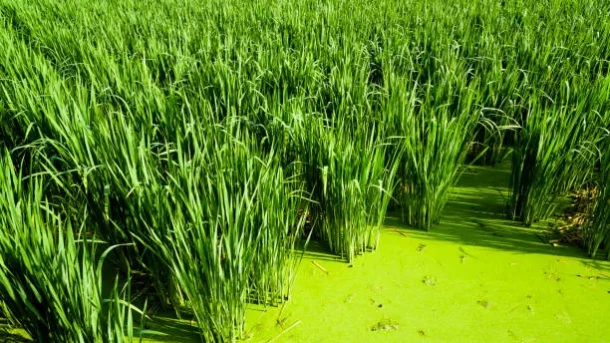
Aquaponics is a sustainable farming technique that integrates hydroponics (soilless plant cultivation) and aquaculture (fish farming) in a mutually beneficial system. In a closed-loop system, the plants serve as a natural filter to clean the fish’s water while the fish’s excrement supplies nutrients to the plants. It is a holistic and environmentally responsible method of food production.

Aquaponics’ main components and advantages include:

Aquaponics uses the nitrogen cycle to recycle nutrients in a closed-loop system. The primary source of nutrients for the plants is fish feces, and when the plants absorb the nutrients, they filter the water and remove dangerous contaminants. Aquaponics is an environmentally sustainable agricultural technique because the closed-loop system decreases nutrient runoff and reduces the need for external fertilizers.

Water efficiency: When compared to conventional agriculture, aquaponics uses a lot less water. The system continuously circulates water, with only a small amount of water being lost to evaporation and transpiration. Due to water conservation and recycling within the system, aquaponics utilizes up to 90% less water than soil-based farming.

Production of fish and plants together is possible with aquaponics, which enables the growth of both in the same system. The plants profit from the nutrient-rich water and grow without soil while the fish serve as a source of protein and earn money. A symbiotic relationship is created when fish and plants are combined in one system, which encourages effective resource use and lowers waste.

Less dependency on outside inputs: Aquaponics reduces the need for artificial fertilizers and pesticides. A natural and organic source of plant nutrients, fish excrement is rich in nutrients. Furthermore, the closed-loop system lessens the possibility of nutrient leaking and runoff, making aquaponic a sustainable and environmentally benign agricultural technique.