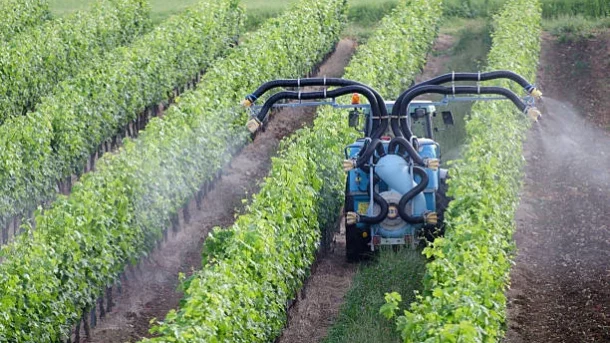
Chemical fertilizers

What is the purpose of the Soil Health Card Scheme in India?

Soil Health Card Scheme

The Soil Health Card Scheme in India aims to evaluate the nutritional condition of agricultural soils and offer farmers individualized advice for enhancing soil fertility and health. The program aims to advance sustainable agriculture methods and increase farming’s productivity and profitability.

The Soil Health Card Scheme main goals are as follows:

Assessing the health of the soil is the main goal of the program, which focuses on taking soil samples from farmers’ fields and testing them thoroughly in recognized labs. The examination offers details on the soil’s nutritional composition, pH value, organic carbon concentration, and other crucial factors affecting soil health.

Customized advice: Based on the results of the soil test, farmers are given a Soil Health Card that is especially tailored and offers detailed advice on how to apply balanced nutrients. The guidelines outline the proper types and amounts of soil amendments, fertilizers, and other inputs needed to maximize crop growth and yield.

The program encourages the wise and effective use of fertilizers by instructing farmers on the correct administration of nutrients based on the nutritional condition of the soil. It seeks to prevent fertilizer overuse or underuse, which can result in environmental damage or nutrient deficiencies.

Which scheme focuses on soil health management and promoting the use of organic fertilizers?

soil health

The “Soil Health Card Scheme” (SHC) is a program in India that promotes the use of organic fertilizers and focuses on managing soil health. The Ministry of Agriculture and Farmers Welfare’s Department of Agriculture, Cooperation, and Farmers Welfare administers the Soil Healths Card Scheme.

The Soil Health’s Card Scheme’s main goal is to evaluate the nutritional condition of agricultural soils and offer farmers personalized advice for enhancing soil fertility and health. The program encourages the use of organic fertilizers, the prudent use of chemical fertilizers, and long-term soil management techniques.

The Soil Health’s Card Scheme’s main characteristics and objectives include:

In accordance with the plan, accredited soil testing laboratories gather soil samples from farmers’ fields for analysis. The examination offers details on the soil’s organic carbon content, pH level, nutrient content, and other significant characteristics relating to soil healths.

Customized soil health cards: Farmers are given a Soil Health’s Card that is made specifically for them based on the findings of the soil test and offers advice for the administration of balanced nutrients. The guidelines outline the proper types and amounts of soil amendments, organic and inorganic fertilizers, and other inputs necessary for the best crop development and yield.

What is the purpose of the Green Revolution in agriculture?

Green Revolution

The Green Revolution was a movement in agriculture that aimed to boost output by introducing fresh methods, techniques, and crop varieties. By raising agricultural output, it hoped to ease food shortages and reduce hunger in developing nations.

The Green Revolution’s main goals were:

Increased crop yields: The Green Revolution attempted to considerably boost crop yields by implementing high-yielding cultivars and contemporary agricultural techniques, assuring an adequate food supply for expanding populations.

Hunger relief and the alleviation of poverty were two goals of the Green Revolution, especially in underdeveloped countries where there were frequent food shortages. It aimed to lessen poverty and improve the livelihoods of rural farming people by raising agricultural output.

Technology transfer: The Green Revolution’s entailed the dissemination of agricultural techniques, scientific information, and technologies from industrialized to underdeveloped countries. The purpose of this transfer was to give farmers the skills and equipment they need to increase agricultural yields and sustainably manage their land.

Sustainability and environmental impact: While boosting yields was the main goal of the Green Revolution, it also brought attention to the importance of sustainable farming methods. Agrochemical use’s negative effects on the environment were minimized, and natural resource preservation was encouraged.

Are there specific crops that are more resilient to changing climates?

specific crops

Millets: Millets, including finger millet, sorghum, and pearl millet, are renowned for their resistance to heat, drought, and poor soil. They can acquire water and nutrients from deeper soil levels because to their extensive root systems. Millets are appropriate for areas with a limited supply of water because they are also very nutritive and have a short growing season specific crops.

Legumes: Through symbiotic partnerships with nitrogen-fixing bacteria, legumeous specific crops like soybeans, lentils, and chickpeas have the capacity to fix nitrogen from the atmosphere. This characteristic enables plants to flourish on nutrient-poor soils and lessens the requirement for nitrogen fertilizers. Legumes are renowned for their resistance to drought and for fixing nitrogen in the soil, which increases soil fertility.

Root Crops: Because they can withstand drought and thrive in a variety of soil types, root crops like yams, sweet potatoes, and cassava are frequently tolerant of climate change. These plants can survive variations in rainfall patterns and still yield quantities that can be harvested. During times when there is little access to water, their storage organs, such as tubers and roots, serve as a source of food and nutrients.

Quinoa: Quinoa is a very adaptable crop that can grow in a variety of climates, including places with little access to water and high altitudes. It is renowned for its nutritive content, capacity to grow in a variety of soil types, and resistance to heat, frost, and dry circumstances.

What are the long-term effects of using chemical fertilizers on soil health and crop production?

chemical fertilizers

Nutrient Imbalances: Using chemical fertilizers excessively or continuously without taking into account the needs of the crop or the condition of the soil’s nutrients can cause nutrient imbalances. When one nutrient is applied excessively, building up in the soil, while another is applied insufficiently, imbalances may result. Crop quality, yield, and growth may be impacted by this.

Acidification of the soil: Over time, some chemical fertilizers, such as nitrogen fertilizers based on ammonium, can cause the soil to become more acidic. Applying acidic fertilizers repeatedly without taking the proper precautions to keep the pH balance of the soil might result in diminished soil fertility and lower availability of vital minerals for plant uptake.

Chemical fertilizers can have an impact on the microbial populations in the soil. Synthetic nitrogen fertilizers with high nitrogen content can have a negative effect on the diversity and activity of helpful soil bacteria. This may interfere with crucial microbial operations involved in the cycling of nutrients, the breakdown of organic matter, and the development of soil structure.

Soil Organic Matter: Reliance solely on chemical fertilizers over an extended period of time without adding organic matter inputs might cause a decrease in the amount of soil organic matter. Because it enhances soil structure, water-holding ability, nutrient retention, and microbial activity, organic matter is essential for the health of soil. Organic matter levels dropping can affect soil fertility and agricultural productivity over the long term.

Can the use of chemical fertilizers be integrated with other sustainable agricultural practices?

chemical fertilizers be

Organic and Natural Fertilizers: To increase nutrient availability and advance soil health, chemical fertilizers be used in conjunction with organic and natural fertilizers. Compost, manure, and cover crops are examples of organic fertilizers that add organic matter to the soil, enhance soil structure, and offer a slow-release source of nutrients. Farmers can increase long-term soil fertility, minimize the need for synthetic fertilizer, and maximize nutrient availability by combining chemical fertilizers with organic amendments.

Precision agricultural: As previously indicated, integrating precision agricultural technologies with chemical fertilizers be optimize the application of nutrients. Farmers can apply chemical fertilizers at precise ratios based on the unique nutrient requirements of various locations within a field by employing data-driven technologies and site-specific management practices. With this focused application, less fertilizer is wasted, less nutrients are lost.


Conservation agricultural: To improve soil health and nutrient cycling, chemical fertilizers can be used in conjunction with conservation agricultural practices such minimal tillage, cover crops, and crop rotation. These techniques aid in reducing soil erosion, enhancing nutrient availability, increasing organic matter content, and improving water retention. To meet agricultural nutrient needs while avoiding environmental impacts, chemical fertilizers can be used sparingly in conjunction with conservation techniques.

Integrated Nutrient Management: To achieve balanced and sustainable nutrient management, integrated nutrient management combines several nutrient sources, including as chemical fertilizers, organic amendments, and biological inputs. Farmers can increase soil fertility, decrease reliance on synthetic inputs, and optimize nutrient availability by combining chemical fertilizers with other nutrient sources.

Are there any advancements or innovations in the field of chemical fertilizer?

chemical fertilizer

chemical fertilizer with slow and controlled releases are made to release nutrients gradually over an extended period of time to meet the needs of crops. They decrease the risk of overfertilization, decrease nutrient losses due to leaching and volatilization, and increase the effectiveness of nutrient utilization.

Fertilizers that have been coated: Coating technologies have been developed to improve the characteristics of fertilizers’ nutrient delivery. A protective layer on coated chemical fertilizer regulates the rate at which nutrients are released. The coating may be programmed to release nutrients in response to conditions like temperature, moisture content, microbial activity, or predetermined time periods. This technique aids in the controlled release of nutrients, lowers nutrient losses, and enhances crop nutrient uptake.

Enhancing the availability and effectiveness of nutrients for plants is the goal of enhanced efficiency fertilizers (EEFs). Products like nitrification inhibitors, urease inhibitors, and phosphorus enhancers can be included in them. Nitrification inhibitors reduce nitrogen losses by leaching and denitrification by slowing the conversion of ammonium to nitrate. Urease inhibitors reduce nitrogen volatilization by delaying the breakdown of urea. By lowering its fixation in the soil, phosphorus enhancers increase the availability of phosphorus to plants.

Precision Agriculture Technologies: Farmers can acquire specific information about soil variability, crop development, and fertilizer requirements using precision agriculture instruments including remote sensing, GPS, and yield mapping. With the use of these technologies, farmers may more precisely decide how much and where to apply fertilizer, ensuring that the proper amount is applied at the right time.

Do chemical fertilizers have any impact on water sources or groundwater quality?

groundwater

Runoff of Nutrients: Surface runoff can remove nutrients from the crops when chemical fertilizers are applied excessively or during periods of heavy rainfall. The neighboring rivers, lakes, groundwater, and streams may receive this discharge. The overabundance of nutrients, especially nitrogen and phosphorus, can lead to eutrophication, a condition in which the growth of algae and aquatic plants is accelerated by an abundance of nutrients. This may cause an oxygen shortage, kill aquatic life, and throw the aquatic ecosystem’s delicate balance out of whack.

Chemical fertilizers, particularly those that are water soluble, can permeate the soil profile and seep into the groundwater. Leaching happens when rainfall or irrigation water moves the dissolved nutrients into the water table by moving them through the soil layers.


Surface Water Contamination: Chemical fertilizers that are improperly handled, stored, or accidentally spilled can contaminate surface waters. Runoff or direct release of fertilizer compounds into water bodies can happen when fertilizers are not administered in accordance with advised procedures or when machinery fails. This might affect the quality of the water, endanger aquatic life, and disturb aquatic ecosystems.

Groundwater contamination can result from the leaching of nutrients from chemical fertilizers, notably nitrate. Since nitrate is extremely soluble, it can quickly pass through the soil and get to the water table. Nitrate contamination in groundwater can be harmful to people’s health. Methemoglobinemia, sometimes known as “blue baby syndrome,” is a disorder that decreases the blood’s ability to carry oxygen, especially in children. It is brought on by consuming water with high nitrate concentrations.

How do chemical fertilizers affect the microbial life in the soil?

microbial life

Unbalanced nutrient levels can result from the over use of chemical fertilizers, especially those based on nitrogen. High nitrogen concentrations can promote the growth of nitrophilic microbes, which proliferate quickly, while suppressing the growth of other microbial life species. The composition of the microbial community may change as a result, which may have detrimental effects on the variety and functionality of soil microorganisms.

Changes in pH: Chemical fertilizers, particularly those that are very acidic or alkaline, can change the pH of the soil. Microbial activity and community composition are directly influenced by the pH of the soil. Different microbial life communities react differently to pH variations. Alkaline fertilizers can raise the pH of the soil, thereby decreasing the activity of acidophilic microbes, whereas acidic fertilizers can drop the pH of the soil, encouraging acid-tolerant microorganisms.

Reduced Organic Matter Inputs: While chemical fertilizers do not add organic matter to the soil, they do supply a majority of inorganic nutrients. For soil microbes, organic matter is an essential source of energy and nutrients. Over time, the amount of organic matter in the soil may decrease as a result of ongoing usage of chemical fertilizers without organic matter additions. The biomass, diversity, and activity of microorganisms may be significantly impacted by this decrease in the availability of organic materials.

Nitrogen-Fixing Bacteria’s Effect: Some chemical fertilizers, especially nitrogen fertilizers, can stop microbes from fixing nitrogen in the environment. High concentrations of easily available nitrogen can prevent nitrogen-fixing bacteria from cooperating with plant roots, such as rhizobia in legumes.

Can the use of chemical fertilizers lead to nutrient imbalances in crops?

nutrient imbalances

Overemphasis on Particular Nutrients: Chemical fertilizers often supply nutrients in particular ratios based on the nutrient needs of the target crops. However, if farmers only use chemical fertilizers and ignore the nutrient makeup of the soil or the particular requirements of the crop, they risk over-applying some nutrient imbalances while under-applying others. For instance, a nitrogen-heavy imbalance might result from consistently applying nitrogen-based fertilizers without taking phosphorus, potassium, or micronutrient requirements into account.

Inadequate soil testing or incorrect interpretation of the results of a soil test can produce inappropriate fertilizer recommendations. Farmers run the danger of applying an excessive or insufficient amount of nutrients if they exclusively depend on generalized fertilizer recommendations without taking site-specific soil conditions and crop nutrient requirements into account.


Limited Nutrient Availability: The availability of nutrients to plants can be impacted by a variety of circumstances, including high soil pH, low organic matter concentration, and certain soil features. Chemical fertilizers might not be able to adequately overcome these restrictions. For instance, micronutrient deficiencies may occur in soils with high pH levels or specific soil types, and phosphorus availability may decrease in alkaline soils. Nutrient imbalances may arise if chemical fertilizers alone are used under these circumstances rather than soil amendments or tailored micronutrient applications.

Nutrient Interaction: The availability and uptake of nutrients can be affected by interactions between nutrients in the soil and within the plant. Applying too much of one nutrient can interfere with how well other nutrients are absorbed or used, which can result in imbalances.