Beneficial organisms

Which countries are the major players in the global agricultural market?

countries

Several countries have been big players in the international agricultural market as of my most recent update in September 2021, both as substantial producers and exporters of agricultural goods. It’s vital to remember that the dynamics of the agricultural market can vary over time as a result of a variety of factors, including adjustments in production, alterations in consumption patterns, and trade

Agreements. The following countries have historically had a significant impact on the world agricultural market:

United States: One of the major agricultural producers in the world, the United States is renowned for growing a variety of commodities, such as corn, soybeans, wheat, and cotton. Additionally, it exports a lot of agricultural goods.

China: China is a significant producer and consumer of agriculture. It is the largest producer of wheat and rice in the world, as well as a sizable producer of corn and soybeans. The enormous population of China is a factor in the country’s high domestic consumption.

Brazil: Known for its sizable agricultural acreage and varied production, Brazil is a significant player in the world agricultural market. In addition to being the top producer and exporter of soybeans in the entire world, it also produces a sizable amount of sugar, coffee, beef, and chicken.

India is a significant producer of agricultural goods, particularly for grains like rice, wheat, and cotton. Due to its vast population, it also consumes a significant amount of agricultural products.
How can knowledge sharing platforms enhance the adoption of advanced agricultural practices?

knowledge sharing platforms

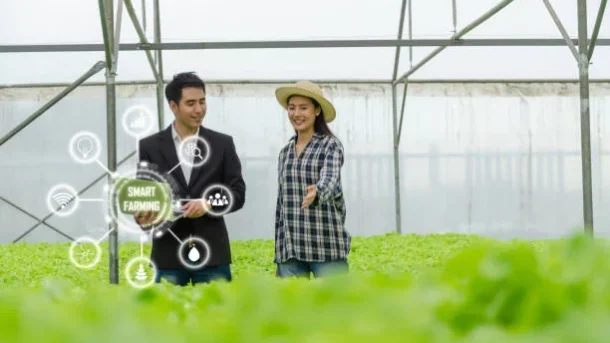
By allowing the exchange of knowledge, best practices, and experiences between farmers, researchers, professionals, and stakeholders, knowledge sharing platforms significantly contribute to the adoption of improved agricultural practices. Here are some ways that knowledge-sharing platforms can encourage the adoption of cutting-edge agricultural techniques:

Access to knowledge sharing platforms makes it simple to find a multitude of materials and information about cutting-edge agricultural techniques. These platforms can house databases, academic papers, case studies, instructions, and other pertinent materials. Farmers have access to this knowledge at their convenience, enabling them to learn about cutting-edge methods, strategies, and best practices.

Peer learning and collaboration are made possible through platforms for knowledge exchange, which connect farmers with their peers who have already embraced cutting-edge agricultural practices. Farmers can collaborate to learn by sharing their experiences, accomplishments, and difficulties. Farmers are more willing to try out novel techniques and technology as a result of peer-to-peer learning, which increases their trust, credibility, and confidence.

Expert counsel and recommendations: Agriculturists, researchers, and extension services frequently participate in knowledge-sharing platforms. Through online forums, webinars, or face-to-face contacts, farmers can get help from these professionals in the form of advice, direction, and assistance. The availability of specialist knowledge aids farmers in making knowledgeable decisions, resolving issues, and receiving advice tailored to their local environments.

Peer learning and collaboration are made possible through platforms for knowledge exchange, which connect farmers with their peers who have already embraced cutting-edge agricultural practices. Farmers can collaborate to learn by sharing their experiences, accomplishments, and difficulties. Farmers are more willing to try out novel techniques and technology as a result of peer-to-peer learning, which increases their trust, credibility, and confidence.

Expert counsel and recommendations: Agriculturists, researchers, and extension services frequently participate in knowledge-sharing platforms. Through online forums, webinars, or face-to-face contacts, farmers can get help from these professionals in the form of advice, direction, and assistance. The availability of specialist knowledge aids farmers in making knowledgeable decisions, resolving issues, and receiving advice tailored to their local environments.

How does real-time monitoring of crop conditions optimize pest control measures?

real-time monitoring

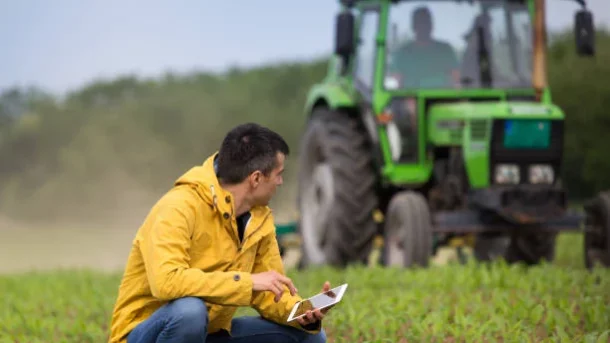
By providing fast and reliable information on insect populations, infestation levels, and crop health, real-time monitoring of crop conditions plays a critical role in improving pest control efforts. Real-time monitoring improves pest management in the following ways:

Real-time monitoring enables early detection of pests or indications of harm from pests. Farmers can spot the presence of pests at the first signs of infestation by using a variety of monitoring tools such traps, sensors, or visual inspection. Early discovery allows for prompt action and focused pest management techniques, reducing pests’ ability to spread and their effects.

Effective action: Up-to-date information on pest activity and population dynamics is provided by real-time monitoring. Farmers can choose the best time to intervene in pest management using this knowledge.

Real-time monitoring enables farmers to establish pest population thresholds or action levels based on scientific information and regional circumstances. Farmers can decide when to start pest management techniques by establishing these criteria. The right timing and level of pest management actions can be determined using monitoring data along with knowledge about pest biology and crop vulnerability. Through the avoidance of pointless pesticide treatments when pest populations are below harmful levels, threshold-based decision making supports sustainable pest management.

Targeted management methods: Real time monitoring provide information on the location and population density of the specific pest species. Farmers can use this information to create targeted pest control techniques that are specific to the identified pests. Farmers can use selective pesticides to prevent the use of broad-spectrum pesticides, which can kill beneficial creatures and disturb the ecological balance.

What is the role of blockchain in ensuring food traceability and safety?

food traceability

By offering a transparent and unchangeable record of the whole supply chain, blockchain technology is essential in assuring food traceability and safety. Here are some ways that blockchain improves food sector traceability and safety:

Transparent and unchangeable record-keeping: Blockchain generates a distributed, decentralized ledger where all data entries and transactions pertaining to the food supply chain are recorded. The information is guaranteed to be accurate and unchangeable because these records cannot be updated or tampered with. Customers can track the path of food goods from farm to fork and confirm their origin, processing, and handling thanks to this transparency and immutability.

Real-time visibility and openness throughout the whole food supply chain are made possible by blockchain technology. Every link in the supply chain, including farmers.

Better food safety and quality assurance: Blockchain can make it easier to put in place reliable food safety and quality assurance systems. Information regarding the origin of ingredients, manufacturing procedures, temperature controls, certifications, inspections, and test results can all be found in data on the blockchain. To ensure adherence to rules and standards for food safety, this data can be validated and audited. Blockchain provides quick identification of impacted items in the event of a product recall or food safety issue, reducing the extent and effect of the occurrence.

Speedy and precise traceability: The decentralized nature of blockchain enables speedy and precise food product tracing. Blockchain enables stakeholders to swiftly locate the issue’s origins, track impacted batches, and remove them from the supply chain in the case of a foodborne illness epidemic or contamination.

What is the role of robotics in selective harvesting of high-value crops?

selective harvesting

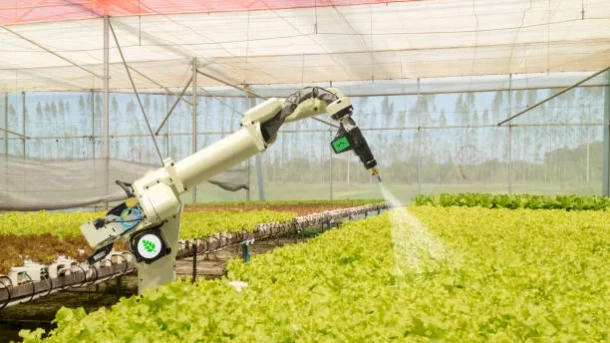
By offering accurate and effective solutions, robotics plays a vital role in the selective harvesting of high-value crops. Here are several ways that robotics aids in selective harvesting:

Robotic systems are made to move with accuracy and precision, enabling them to choose harvest particular crops or individual fruits without harming the nearby plants or produce. With such accuracy, high-quality harvests are guaranteed, reducing losses and retaining the crop’s worth.

Robotics used in selective harvesting frequently include sophisticated vision systems and sensors. Robots can now discover and recognize mature or ripe crops based on their color, size, texture, or other visual or sensory clues. Robots can precisely focus the harvesting by identifying and identifying crops at the desired level of development.

Gentle handling is necessary to prevent bruising or damage when harvesting high-value crops, such as delicate fruits. Robots can be programmed to carefully handle crops by using suction devices, soft-touch grippers, or gentle gripping mechanisms. This keeps the produce’s quality intact and reduces physical stress on it, making it more acceptable for premium markets.

Speed and efficiency of harvesting are boosted since robots are able to work constantly without the restrictions of human labor. Robots can pick crops at the perfect time, lowering the risk of overripeness and ensuring optimum yield thanks to their capacity to run continuously. Robots can also consistently do repetitive chores, which lowers labor costs and frees up human laborers for more complicated agricultural duties.

What are the advantages of using precision livestock farming techniques?

precision livestock farming

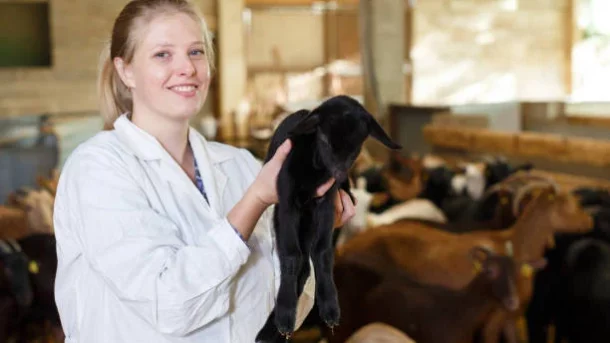
PLF (precision livestock farming) approaches have many benefits for the management and observation of animals. Following are the main advantages of utilizing PLF techniques:

Monitoring of animal welfare and health: Precision livestock farming approaches enable ongoing observation of animal welfare and health indicators. Indicators such as body temperature, heart rate, activity levels, food behavior, and rumination patterns can be tracked by sensors, such as wearable technology or automated monitoring systems. Through early health issue diagnosis and prompt action made possible by real-time monitoring, animal welfare results are improved.

The early diagnosis of diseases or anomalies in animals is made easier by PLF procedures. Animal behavior, vital signs, and performance indicators can all be continuously monitored in order to spot any deviations from the norm. As a result, the risk of early disease diagnosis and treatment is decreased.

Resource management at its best: PLF makes it possible for livestock production systems to use resources effectively. Farmers can modify their feeding techniques and improve nutrient management by gathering information on feed consumption, weight increase, and growth rates. As a result, feed efficiency is increased, feed waste is decreased, and resources like feed, water, and energy are used more sustainably.

Environmental effect reduction: PLF procedures help to lessen the environmental impact of raising livestock. Farmers can decrease the excretion of nutrients like nitrogen and phosphorus by maximizing feed intake and nutrition, which lowers the risk of soil and water pollution. Reduced feed waste and greenhouse gas emissions from livestock production are further benefits of precision feeding depending on the demands of each individual animal.

 How does variable rate technology optimize fertilizer application?

variable rate technology

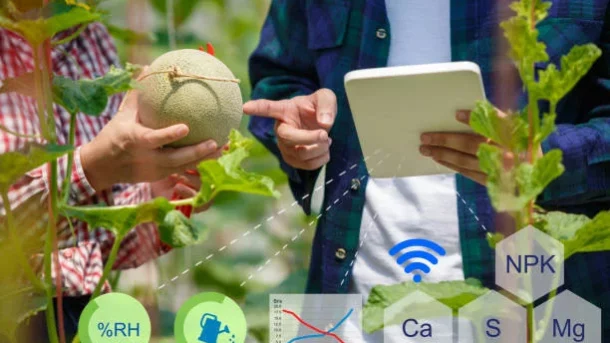
By precisely adjusting the rate of fertilizer delivery to the unique requirements of various sections within a field, variable rate technology (VRT) improves fertilizer application. The advantages of VRT for optimizing fertilizer application are as follows:

Site-specific management: To develop a thorough understanding of field variability, VRT uses data from a variety of sources, including yield maps, soil sample, remote sensing, and soil maps. Based on the soil fertility, nutrient levels, crop requirements, and other criteria, this data is utilized to create prescription maps that designate several zones or management units within the field.

Application rates that are specifically tailored to each management unit are made possible by variable rate technology technology using prescription maps. Higher fertilizer application rates are used in areas with greater nutrient requirements or deficits.

Increased nutrient use efficiency: VRT maximizes nutrient use efficiency by applying fertilizers in accordance with the unique nutrient requirements of various regions. When nutrients are applied where they are most required, overapplication and nutrient loss to the environment are minimized. This effective fertilizer use increases crop uptake, enhances nutrient balance, and reduces the negative environmental effects of excessive fertilizer application.

Cost reductions: By lowering fertilizer waste, VRT can result in cost savings. Precision fertilizer application eliminates overapplication in areas with adequate nutrition levels, reducing wasteful input expenditures. Farmers may cut fertilizer costs, apply nutrients just where they are needed, and increase overall profitability by using resources efficiently.

What are the advantages of using biodegradable mulch films?

biodegradable mulch films

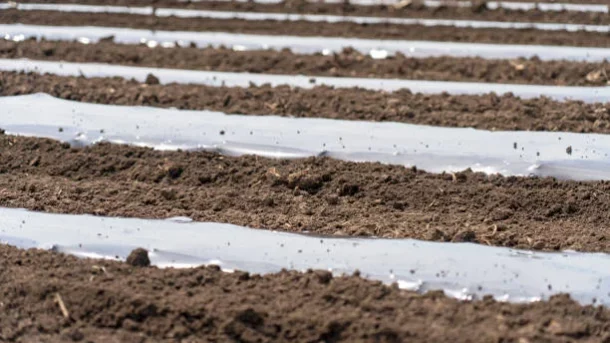
Comparing biodegradable mulch films to conventional plastic mulch films, there are a number of benefits for agricultural use. The following are the main gains of use biodegradable mulch films:

Sustainability in terms of the environment: Biodegradable mulch films are made to decompose naturally over time, preventing the buildup of plastic waste in the environment. Biodegradable mulch films break down into non-toxic, environmentally beneficial components as opposed to traditional plastic mulch films, which can linger in the soil for years. This encourages more environmentally friendly agriculture methods and lessens the harm that plastic pollution causes to the ecosystem.

Fertility and soil health: Biodegradable mulch film encourage the assimilation of organic matter and nutrient cycling, which improve soil health. These films add organic carbon to the soil as they decompose, enhancing soil structure, moisture retention, and nutrient availability. 

Biodegradable mulch film reduce the need for manual removal and disposal at the conclusion of the growing season, saving time and money. There is no need for time-consuming and expensive removal procedures because they organically decompose in the soil. This makes managing plastic mulch film less expensive for farmers because it saves time, labor, and disposal costs.

Water management: By lowering evaporation and preventing weed development, biodegradable mulch film help preserve soil moisture. These films assist preserve soil moisture by serving as a barrier between the soil and the atmosphere, which lessens the need for regular irrigation. Crop development is aided by maintaining proper soil moisture levels, particularly in dry or arid areas, and this helps agriculture conserve water.

How can digital platforms facilitate direct farmer-consumer interactions?

digital platforms facilitate

By bridging the gap between producers and customers, digital platforms play a crucial role in fostering direct farmer-consumer contacts. The following are a few ways that digital platforms facilitate and improve these interactions:

Online markets: Digital platforms facilitate offer online markets so farmers may advertise and sell their goods to consumers directly. These platforms do away with the need for middlemen, giving farmers access to a larger client base and fair rates for their goods. Customers can easily shop from the comfort of their homes and access a range of farm-fresh goods.

Direct avenues of communication: Farmers and consumers can communicate directly through digital platforms. Customers can ask about farming methods, product specifications, or even forge a personal connection with the farmers through messaging apps, chatbots, or email.

Digital platforms enable community-supported agriculture (CSA) models, in which customers can sign up to receive regular shipments of fresh fruit from farmers. By streamlining the ordering, payment, and delivery procedures, these platforms provide a direct connection between farmers and consumers. A sense of community and connection is fostered by the inclusion of chances for farm visits, activities, and interaction in CSA models.

Information on products, including their provenance and agricultural methods, certifications, and quality standards, can be found on digital platforms. Customers can access details about the route taken by their food from farm to table by scanning QR codes or utilizing product-specific identifiers. Consumers are given confidence and given the power to make wise decisions because to this transparency.

What is the potential of using nanotechnology in agriculture?

nanotechnology in agriculture

Numerous facets of agriculture could be revolutionized by nanotechnology. The following are some potential uses of nanotechnology in agriculture:

The development of nanoformulations that improve the targeted delivery of agrochemicals like pesticides, herbicides, and fertilizers is made possible by nanotechnology. Active compounds are protected, their solubility is increased, and their entry into plant tissues is facilitated via nanoencapsulation and nanocarrier systems. This targeted delivery minimizes environmental effects, increases effectiveness, and eliminates chemical waste.

Smart Nutrient Delivery: Nanotechnology can help plants receive nutrients in a targeted and regulated manner. Based on the needs of the plant and the surrounding environment, nanoscale nutrient carriers or nanofertilizers can release nutrients in a regulated manner. This supports ideal plant growth and development and increases fertilizer use efficiency and nutrient losses.

Enhanced Crop Protection: Nanotechnology has the promise of creating cutting-edge, environmentally friendly crop protection strategies. Crop protection products with better UV protection, antibacterial activity, or adhesive qualities can be created using nanomaterials, such as nanoparticles or nanocoatings. These nanoparticles are capable of offering efficient defense against pathogens, illnesses, or environmental disturbances.

The diagnosis and monitoring of plant diseases can be improved with the use of diagnostic instruments and sensors based on nanotechnology in agriculture. High sensitivity and specificity can be achieved when using nanobiosensors, nanoprobes, or nanodevices to detect and identify certain infections or disease indicators. This makes it possible to diagnose diseases early, act quickly to treat them, and use more specialized disease management techniques.