Beneficial organisms

How does the financialization of agricultural commodities influence market dynamics?

financialization

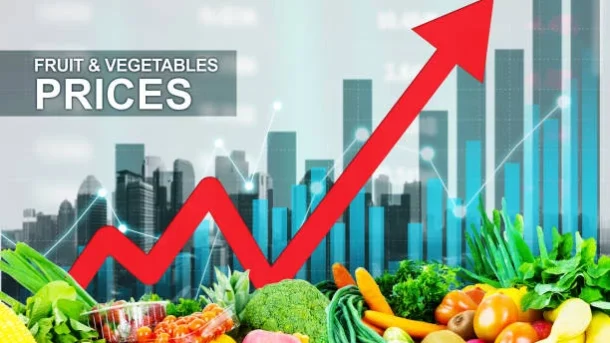
The term “financialization of agricultural commodities” refers to the rising trading and investment in agricultural commodity markets by financial actors such investors, hedge funds, and speculators. Over the last few decades, this trend has intensified as financial markets have become increasingly important in the pricing and selling of agricultural commodities. In various different ways, the financialization of agricultural commodities can affect the dynamics of the market:

Increased Price Volatility: Speculative trading by financial investors looking for quick gains based on price changes is possible. Their arrival into the market may increase price volatility, causing agricultural commodities to experience greater price fluctuations.

Decoupling from Fundamentals: Trading decisions made by financial investors may not necessarily be closely related to the physical fundamentals of supply and demand for agricultural commodities. Because of this, prices may differ from what would be predicted based only on market fundamentals.

Financial investors may display herding behavior, in which they crowd into particular positions and follow trends. As a result, price bubbles may form or market movements based on emotions rather than fundamentals may be exacerbated.

Increased financial investor engagement may have an impact on how prices are determined in markets for agricultural commodities. Prices may not accurately represent underlying physical market circumstances; instead, they may be influenced by financial flows and investor opinion.
What are the implications of trade wars on the agricultural market?

trade wars

Due to the tariffs imposed, the retaliatory actions taken, and the disruption of global trade flows, trade wars have a considerable impact on the agriculture market. Due to their strategic importance for food security, economic interests, and political power, agricultural products are frequently the main targets in trade conflicts. The following are some effects of trade disputes on the agriculture market:

Reduced Market Access: Trade wars conflicts may result in tariffs and non-tariff obstacles being placed on agricultural products, restricting exporters’ access to the market. Increasing import taxes can increase the cost of agricultural products for consumers in importing nations, hence decreasing demand and impacting export earnings for nations that produce the goods.

Price Volatility: As exporters and importers react to shifting trade policy, trade conflicts cause uncertainty and price volatility in agricultural markets. Price variations in commodities might result from abrupt changes in tariffs and import restrictions.

Supply Chain Disruptions: Global connections exist amongst agricultural supply chains. Trade conflicts can sabotage supply chains, causing delays in the flow of commodities and higher logistics expenses.

Impact on Farmers: Farmers in trade-war-affected nations may see a decline in export opportunities, a decline in commodity prices, and a decline in farm incomes. Finding alternate markets may be difficult for farmers that focus on exports.

Disruptions in agricultural trade may have an impact on food security, particularly in nations that depend significantly on imports for a variety of food items. During trade disputes, import-dependent countries may experience higher food costs and supply shortages.

Trade Pattern Shift: Trade conflicts can cause trade patterns to shift as nations look for new trading partners to lessen the impact of tariffs. The flow of international agricultural trade may change as a result.

How are agricultural commodity prices affected by geopolitical events?

agricultural commodity

Due to their impact on market fundamentals, trade dynamics, and investor sentiment, geopolitical events can have a substantial impact on agricultural commodity prices. Events involving international relations, politics, conflicts, and trade agreements that take place between or inside nations are referred to as geopolitical events. Here are a few ways that geopolitical events can influence the price of agricultural commodities:

Supply interruptions: In major agricultural commodity producing regions, geopolitical events like conflicts, natural catastrophes, or trade disruptions can cause supply disruptions. As demand exceeds supply, a reduced supply may result in price increases.

Trade Policies and Tariffs: Modifications to trade policies, such as new tariffs and export limitations, may have an impact on the movement of agricultural goods between nations. Price volatility and trade concerns can be caused by trade disputes or the introduction of tariffs on agricultural goods.

Currency changes can have an impact on the competitiveness of agricultural exports and imports due to geopolitical events. Export competitiveness may increase with a weaker currency while it may decrease with a stronger currency.

Embargoes and Sanctions: Due to geopolitical circumstances, agricultural products may be subject to embargoes or sanctions that restrict access to certain markets and alter the balance of supply and demand globally.

How do food safety scandals impact consumer confidence in agricultural products?

food safety

Scandals involving food safety can have a major and long-lasting effect on consumers’ trust in agricultural products. These scandals include instances in which food products were tainted or adulterated, endangering the health of customers. When such occurrences take place, they undermine consumer confidence in the food supply chain and may influence their perceptions and behavior. The following list outlines some ways that food safety crises affect consumers’ trust in agricultural products:

Loss of Trust: Scandals around foods safety erode consumers’ faith in the reliability and safety of the agricultural products they buy. Customers can have doubts about the accuracy of food labeling, quality assurance, and regulatory monitoring.

A foods safety crisis may cause consumers to change their buying habits and steer clear of certain goods or brands that were linked to the incident. For producers who are impacted, this may result in decreased sales and financial losses.

Consumers may seek out items with certifications and labels that denote greater safety standards and quality assurance, such as organic, non-GMO, or particular food safety certifications, following a food safety scandal.

Impact on Brand Reputation: Companies involved in foods safety crises may suffer severe and long-lasting brand reputation damage. Consumer trust may require a lot of work and money to rebuild.

Reduced Consumption of Affected Products: When a food safety incident affects certain agricultural products, consumers may reduce or stop consuming them, which could diminish demand and cause market disruptions.

What are the challenges in implementing precision agriculture techniques in the market?

precision agriculture

There are a number of obstacles to implementing precision agricultural techniques in the market, and these obstacles might change based on the size of the farming operations, availability to technology, and regulatory environment. While there are many advantages to precision agriculture, such as enhanced productivity, less resource consumption, and higher yields, the following issues must be resolved for widespread adoption:

High Initial Investment: Hardware, software, and training are frequently required for precision agriculture systems. The initial cost can be a significant deterrent to adoption for small-scale farmers or people with low financial resources.

Data Management and Analysis: Satellite imaging, soil data, meteorological data, and crop performance measurements are just a few of the many types of data that precision agriculture creates. Farmers who might lack the appropriate knowledge or access to advanced data management technologies may find it difficult to handle and analyze this data properly.

Technology literacy: Many farmers, especially those who are older, may not be conversant with cutting-edge technologies or may only have limited access to help and training. For the successful installation and efficient use of precisions agriculture equipment, technology literacy is essential.

Precision agriculture entails gathering and keeping sensitive data on farming practices, which raises privacy and security concerns. Particularly if they are exchanging information with outside service providers, farmers may be worried about data privacy and the possibility of data breaches.

How does consumer behavior influence agricultural market trends?

consumer behavior

Consumer behavior, which defines what agricultural products are wanted, how they are consumed, and the factors that influence purchasing decisions, is crucial in shaping agricultural market trends. Consumer preferences, decisions, and shifting patterns of behavior can have a direct impact on market dynamics, supply chains for goods and services, and agricultural output. Agricultural market trends are influenced by consumer behavior in the following ways:

Demand for Particular goods: The demand for particular agricultural goods is influenced by consumer preferences. An increase in the demand for fruits, vegetables, and organic goods, for instance, could be a result of a preference for healthier eating.

Trends in dietary Choices: The demand for specific crops and agricultural goods can be affected by shifting dietary trends, such as plant-based diets or gluten-free options.

Consumers with greater purchasing power might be more inclined to pay more for specialized or niche agricultural products, such as organic or locally produced goods.

Environmental Concern: Increasing environmental concern may increase customer demand for sustainably produced agricultural goods and promote the use of environmentally friendly farming methods.

Health and Wellness: Consumer interest in one’s physical and mental well-being can affect the demand for certain nutritional qualities in food products, which in turn can affect agricultural production decisions.

Concerns about food safety: Food safety-related incidents can have a substantial effect on consumer demand and behavior, affecting particular agricultural sectors or areas.

What is the significance of land tenure systems in agricultural markets?

land tenure systems

As they specify the rights and arrangements by which people or organizations can access, use, and control land resources for agricultural purposes, land tenure systems play a vital role in agricultural markets. Land tenure systems have a significant impact on farmers, investors, agricultural production, rural development, and overall food security. Their role in agricultural markets is varied. The following are some important facets of the importance of land tenure systems:

Incentive for Investment: Farmers have the confidence to invest in long-term improvements to their property, such as irrigation, soil conservation, and infrastructure development, thanks to secure and well defined land tenure rights. As a result, agricultural output is encouraged, and sustainable land management techniques are promoted.

Access to Credit and Financing: Farmers with secure land tenure can use their property as security to get credit and financing for equipment, agricultural supplies, and other investments. Credit availability can increase agricultural output and support rural development.

Land tenure security gives farmers a sense of stability and confidence in their farming endeavors. It promotes risk-taking and long-term planning, which boosts agricultural output.

Different land tenure systems, such as private ownership, community land, and leasing agreements, cater to various farming practices and cultural norms. Land Allocation and Tenure Diversity. The optimal use of land resources and equal access to land for various types of farmers are both guaranteed by proper land allocation.

How are emerging economies influencing the global agricultural market?

emerging economies

Emerging economies, usually referred to as developing or recently industrialized nations, are exerting more and more influence on the world agricultural market. Rapid economic expansion, growing wages, and shifting consuming habits in these economies have a considerable impact on the demand for, supply of, and trade in agricultural goods. Following are a few examples of how developing economies are affecting the world agriculture market:

Demand for Agricultural Products is Growing: As populations in emerging economies are growing and incomes are rising, there is a rapid increase in demand for food and agricultural products. Not only are fundamental food staples driving this demand, but also consumers’ increasing desire for more expensive and processed agricultural goods.

Consumers in emerging economies frequently vary their diets and want more meat, dairy, and processed foods as their wages rise. The demand for feed crops and animal products is impacted by this change in dietary habits, which has an impact on the world’s commodity markets.

Urbanization and Changing consumer Patterns: In growing economies, the process of urbanization causes changes in consumer habits. Urban customers have diverse dietary habits and are more prone to purchase imported items, processed foods, and convenience foods, which has an effect on supply chains and trade flows.

Investments in Agriculture: To improve food security and lessen reliance on imports, certain rising economies are boosting their investments in domestic agricultural output. By changing supply and demand dynamics, these investments may have an impact on international agricultural markets.

What is the role of commodity trading advisors in the agricultural market?

commodity trading advisors

In the agricultural sector, commodity trading advisors (CTAs) are crucial since they offer clients specific knowledge in trading agricultural commodities. CTAs are qualified people or businesses that have registered with the appropriate regulatory bodies. They provide trading advisory services to manage the investment portfolios of their clients with an emphasis on commodities, including those in the agricultural sector. Here are some of the major jobs and duties that CTAs perform in the agriculture market:

Market research and analysis are carried out in-depth by commodity trading advisors to find prospective trading opportunities in agricultural commodities. They research the underlying principles of supply and demand, weather patterns, geopolitical developments, and other variables that affect agricultural markets.

Development of Trading Strategies: Based on their market analysis, CTAs create trading plans that are specific to each client’s risk tolerance and investment goals. They might use a range of trading tactics, such as volatility-based strategies, mean reversion, and trend following.

Risk management: To safeguard customers’ funds and control exposure to market volatility, CTAs place a high priority on risk management. To effectively manage risk, they put in place risk controls and employ position size strategies.

Diversification: To spread risk and minimize exposure to any one commodity or market, CTAs frequently advise diversifying among other agricultural commodities.

Trade Execution: CTAs either carry out trades manually or automatically on behalf of their clients. They keep a constant eye on the markets and quickly carry out trades in accordance with their trading techniques.

How are subsidies affecting agricultural production and trade?

agricultural production

The conduct of farmers, the competitiveness of agricultural products on the global market, and the overall dynamics of the agricultural sector are all impacted by subsidies, which have a considerable impact on agricultural production and trade. Subsidies can have complex consequences that change according on the type, size, and particular agricultural situation. Subsidies have the following effects on agricultural commerce and production:

Production Incentives: Farmers are frequently given financial assistance through subsidies, which motivates them to produce more. As farmers are driven to boost production to take advantage of the financial aid, these incentives may result in greater agricultural output and higher yields.

Crop Selection: Some subsidies may be intended for a particular crop or class of goods. This may have an impact on farmers’ choices of crops.

Price Support: By establishing a minimum price for some commodities, price support subsidies seek to stabilize the price of agricultural products. This may effect agricultural production and trade dynamics and production choices, leading to surpluses that affect market pricing globally.

Trade Distortion: Agricultural products with subsidies may be more competitive than those from nations without subsidies since they can be purchased on international markets for less money. This may result in trade conflicts and market distortions that have an impact on farmers’ lives in non-subsidizing nations.

Environmental Impact: Some incentives could encourage behaviors that are harmful to the environment, including using excessive amounts of water or fertilizer. Environmental deterioration and resource depletion may result from this.