Beneficial organisms

What is the purpose of the National Mission on Agricultural Biosecurity (NMAB)?

Agricultural Biosecurity

The introduction and spread of pests, illnesses, and invasive species that pose dangers to agricultural crops, livestock, and the environment are prevented by agricultural biosecurity measures. They concentrate on monitoring, early identification, and efficient management techniques to stop and manage biosecurity concerns.

procedures to Control the Movement of Plants, Animals, and Agricultural Products Across Borders: These programs place a strong emphasis on the application of quarantine procedures and regulations. Quarantine procedures protect agricultural trade and output while preventing the spread of diseases and pests to new locations.

Agricultural biosecurity programs carry out risk assessments to pinpoint and weigh potential biosecurity threats to agriculture. To effectively minimize and manage these risks, they create risk management protocols and methods. This covers actions like monitoring for pests and diseases, surveillance networks, and emergency response systems.

Initiatives in agricultural biosecurity have a strong emphasis on capacity building and training programs to improve the expertise of those involved in agricultural production, extension services, regulatory bodies, and other pertinent organizations. Training initiatives seek to increase knowledge, strengthen surveillance capacities, and improve readiness and response for biosecurity threats.

Which scheme aims to promote the cultivation of bamboo and provide support for bamboo-based industries?

bamboo-based

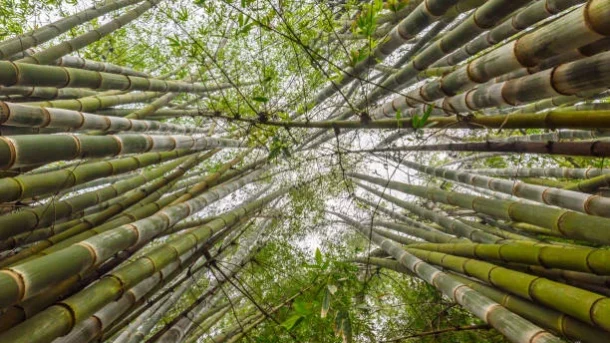
The “National Bamboo Mission” (NBM) is one program that attempts to encourage bamboo-based enterprises in India and promote bamboo farming. The Government of India’s Ministry of Agriculture and Farmers Welfare is responsible for carrying out the National Bamboo Mission.

The National Bamboo Mission’s primary goals typically consist of:

The NBM is focused on encouraging bamboo cultivation by giving farmers and other stakeholders who are involved in bamboo cultivation financial aid, technical support, and training. It intends to expand the area planted with bamboo and raise the yield and caliber of bamboo crops.

Value Addition and Processing: The program’s goal is to encourage bamboo processing and value addition in order to raise farmers’ and stakeholders’ profits. It encourages the development of value-added bamboo items such handicrafts, furniture, construction materials, and composite products made of bamboo and supports the establishment of companies based on bamboo. It also offers help for the installation of bamboo processing facilities.

Research and Development: The NBM places a strong emphasis on initiatives that advance bamboo-based growing methods, create better bamboo varieties, and address problems with managing pests and diseases. It supports research organizations, offers funds for research initiatives, and fosters knowledge sharing and best practices in bamboo processing and cultivation.

What is the primary goal of the National Mission on Sustainable Himalayan Ecosystem (NMSHE)?

Himalayan

Initiatives for the sustainable Himalayan ecology strive to preserve the region’s fragile ecological balance as well as its distinctive biodiversity. The unique flora, fauna, and ecosystems of the Himalayas are the subject of their attention because they are essential to maintaining ecological stability and providing ecosystem services.

Sustainable Development: The Himalayan region is encouraged to adopt sustainable development methods by several programs. They seek to strike a balance between conservation initiatives and the local populations’ requirements for socioeconomic growth. This involves supporting ecotourism, renewable energy, organic farming, and other economically viable methods for living sustainably.

Adaptation to Climate Change: The programs take on the problems brought on by climate change in the Himalayas. They place a strong emphasis on increasing people’s capability for coping with the effects of climate change, such as melting glaciers, altered rainfall patterns, and greater susceptibility to natural disasters. As a result, it’s important to promote climate-resilient infrastructure, implement climate-smart behaviors, and create early warning systems.

Initiatives for the sustainable Himalayan ecosystem emphasize the need of including local populations in decision-making processes and giving them the tools they need to act as good stewards of their natural resources. They encourage community-based conservation and sustainable management techniques, ensuring that local communities actively participate in and are engaged in managing and maintaining their natural environment.

What is the main objective of the Market Intervention Scheme (MIS) for agricultural commodities?

Intervention Scheme

The Market Intervention Scheme (MIS) for agricultural commodities’ primary goal is to support farmers by stabilizing perishable agricultural commodities’ prices during periods of market glut and ensuring that their produce will fetch fair market value. The Ministry of Agriculture and Farmers Welfare, Government of India, is responsible for implementing the MIS.

The Market Intervention Scheme’s primary goals and duties typically consist of:

Price Stabilization: When there is an oversupply on the market, the MIS seeks to stabilize the prices of agricultural commodities, especially perishable crops. In order to intervene, it buys the produce directly from the farmers at a predetermined minimum support price (MSP) or pre-announced price, creating a guaranteed market and avoiding distress sales.

Market Support: During periods of market oversupply or abrupt price drops, the program offers market support to farmers. By providing a procurement process that guarantees farmers a fair price and lessens their exposure to market swings and abuse, it fosters a favorable market environment.

Creation of Buffer stockpiles: The Intervention Scheme supports the development of agricultural commodity buffer stockpiles. These buffer inventories serve as a reserve to control market turbulence and keep prices stable. When there is a shortage or prices rise above a particular point, the purchased goods are kept in storage before being reintroduced into the market.

Farmer Income Support: The MIS makes sure that farmers obtain fair prices for their goods by acquiring commodities at MSP or previously published prices. 

Which scheme provides financial assistance for the establishment of post-harvest infrastructure in rural areas?

post-harvest

The “Mukhyamantri Saur Krishi Yojana” (MSKY) is one program that offers financial aid for the construction of post-harvest infrastructure in rural parts of India.

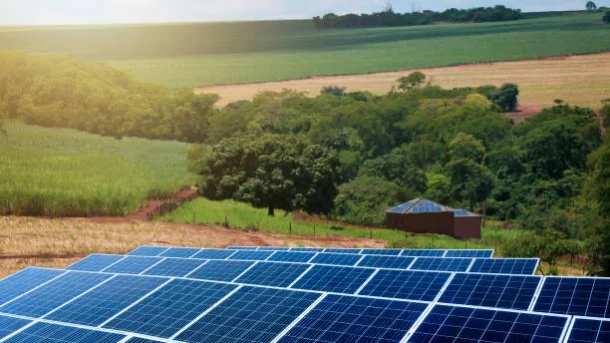
A government program called the Mukhyamantri Saur Krishi Yojana is being carried out by the respective state governments with the goal of encouraging the use of solar energy in agricultural processes and offering financial support for various solar-powered structures and equipment in rural areas.

Financial support is given for the building of post-harvest infrastructure using solar-powered technologies under the Mukhyamantri Saur Krishi Yojana. This might include solar-powered grain mills, charkhas (spinning wheels), cold storage facilities, dryers, and other tools and systems that help with post-harvest management and processing.

The Mukhyamantri Saur Krishi Yojana’s goals are to make it easier to use solar energy for agricultural purposes, lessen reliance on traditional energy sources, and improve the effectiveness of post-harvest activities in rural regions. The program aims to increase agricultural produce storage, processing, and value addition, reduce post-harvest losses, and improve the income and way of life for rural farmers by providing financial support for solar-powered infrastructure.

It’s vital to keep in mind that the Mukhyamantri Saur Krishi Yojana’s particular guidelines, eligibility requirements, and implementation methods may differ throughout states. To receive precise and complete information regarding the financial assistance provided for post-harvest infrastructure in rural areas, it is therefore advisable to refer to the specific program implemented by the relevant state government.

What is the main objective of the Interest Subvention Scheme for crop loans?

crop loans

The Interest Subvention Scheme for Crop Loans’ primary goal is to assist farmers financially by lowering the cost of interest on agricultural loans. With the help of the program, farmers will be able to meet their needs for agricultural financing and support their farming operations by making crop loans more reasonable and accessible.

The Interest Subvention Scheme for Crop Loans normally has the following primary goals:

A reduction in the effective interest rate imposed on crop loans is provided through the scheme, which is known as interest rate subvention. By offering an interest rate subsidy or subvention on the applicable interest rate for a set length of time, it tries to reduce the cost of loan for farmers.

The program’s main goal is to make sure that farmers have access to timely and sufficient credit for their agricultural endeavors. It aims to improve farmers’ access to financing for crop cultivation, input purchases, and other associated costs throughout the crop production cycle.

Debt Relief and Financial Inclusion: The interest subsidy program is essential in helping farmers get out of debt and lessen their financial burden. By making credit more accessible to farmers, particularly small and marginalized ones, it helps ease the burden of repayment, lessen the likelihood of loan defaults, and promote financial inclusion.

Increasing Agricultural Productivity: By ensuring that farmers have access to reasonable finance, the program seeks to increase Agricultural Productivity. Farmers can invest in contemporary farming methods, buy high-quality inputs, use innovative technologies, and increase farm production and profitability by lowering the cost of financing.

Name a government initiative that focuses on the development of fisheries and aquaculture in India.

aquaculture

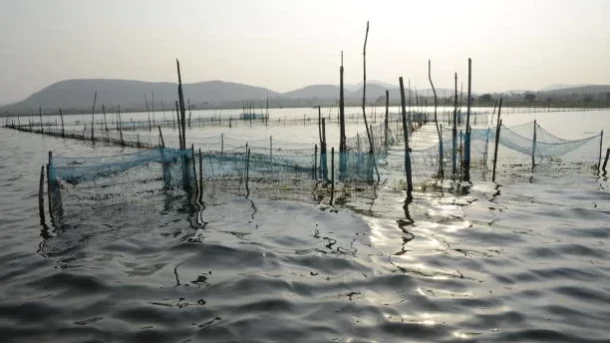
The “Blue Revolution” or “Pradhan Mantri Matsya Sampada Yojana” (PMMSY) is one government effort that concentrates on the growth of fisheries and aquaculture in India. The Ministry of Fisheries, Animal Husbandry, and Dairy, Government of India, has launched a flagship program called The Blue Revolution with the goals of boosting fish production, raising the income of fishermen, and encouraging sustainable aquaculture methods.

The PMMSY’s or the Blue Revolution’s main goals are:

Development of Sustainable Aquaculture: The program seeks to advance both freshwater and marine aquaculture methods that are sustainable. In order to boost fish production and productivity, it emphasizes the development and modernization of aquaculture infrastructure, the use of cutting-edge technologies, and the introduction of best management practices.

Modernization of Fisheries Infrastructure: The Blue Revolution places a strong emphasis on modernizing and enhancing fisheries infrastructure, which includes fishing harbors, landing areas, fish markets, fish processing plants, cold storage facilities, and ice plants. To decrease post-harvest losses and raise the quality of fish products, it attempts to improve post-harvest facilities, storage capabilities, and processing capabilities.

Fish Seed Production and Hatcheries: The program encourages the development and improvement of facilities for producing fish seeds, as well as hatcheries and nurseries. To assure the supply of high-quality seeds for fish farming activities, it promotes the development and distribution of high-quality fish seeds, including genetically enhanced strains.

The Blue Revolution places a strong emphasis on conservation and management strategies for fisheries in order to guarantee the long-term viability of these resources. Initiatives for fisheries research are supported.

Which scheme focuses on promoting the use of renewable energy in agriculture?

renewable energy

The “Kisan Urja Suraksha evam Utthaan Mahabhiyan” (KUSUM) program promotes the use of renewable energy in agriculture in India. The Ministry of New and Renewable Energy of the Government of India runs the centrally-sponsored KUSUM program.

The Kisan Urja Suraksha evam Utthaan Mahabhiyan scheme’s primary goals are as follows:

Installation of Solar Pumps: The program encourages the installation of solar pumps for agricultural fields that need irrigation. In order to reduce reliance on fossil fuels and provide a sustainable and affordable source of energy for irrigation, it intends to replace diesel or grid-powered pumps with solar-powered ones.

Solarization of Grid-Connected Agricultural Pumps: KUSUM supports solarizing Grid-Connected Agricultural Pumps. It encourages the installation of solar panels on land used for farming.

Off-Grid Solar Applications: The program’s main objective is to install off-grid solar applications in rural regions, such as freestanding solar pumps, cold storage units driven by the sun, dryers, and fencing. These programs support agricultural energy efficiency and assist farmers fulfill their energy needs.

Financial Assistance: KUSUM offers financial assistance for the installation of solar pumps and other renewable energy systems in agriculture in the form of capital subsidies, incentives, and loans. It aims to lower farmers’ upfront expenses and facilitate the adoption of renewable energy technology, making them accessible and affordable to them.

Which scheme aims to promote the cultivation of medicinal plants in India?

cultivation of medicinal plants

The “National Medicinal Plants Board (NMPB) Scheme” is one program that tries to encourage the development of medicinal plants in India. The National Medicinal Plants Board, an agency of the Government of India’s Ministry of Ayurveda, Yoga & Naturopathy, Unani, Siddha, and Homoeopathy (AYUSH), implements a number of policies and initiatives to encourage the growth, preservation, and sustainable cultivation of medicinal plants.

The National Medicinal Plants Board Scheme’s primary goals are as follows:

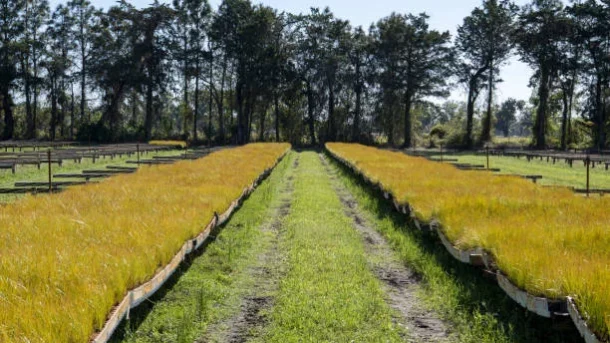
Therapeutic Plant Cultivation: The program’s main objective is to encourage the nationwide cultivation of therapeutic plants. It offers assistance with setting up nurseries, growing medical plants in designated locations, and using good agricultural practices (GAPs) for growing medicinal plants.

The plan has a strong emphasis on capacity building and training programs for farmers, business owners, and other parties involved in the cultivation of medicinal plants. It offers instruction in a variety of topics, such as nursery management, plant propagation methods, organic farming techniques, post-harvest handling, and medicinal plant value addition.

Research and Development: The program funds initiatives in the study and cultivation of medicinal plants. It encourages scientific research, the recording of traditional knowledge, the preservation of rare and endangered medical plant species, and the creation of novel medicinal plant cultivars with enhanced properties.

The plan’s primary areas of focus are market promotion and the development of the value chain for medicinal plants. It backs programs to create market connections, improve farmers’ and collectors’ access to markets, and promote to farmer.

Which scheme provides financial support for the establishment of farmer producer organizations (FPOs)?

farmer producer organizations

The “Scheme for Formation and Promotion of Farmer Producer Organizations (FPOs)” is the program that offers financial assistance for the creation of farmer producer organizations (FPOs) in India. The Department of Agriculture, Cooperation & Farmers Welfare, Government of India, is in charge of carrying out the program.

The Scheme for the Formation and Promotion of Farmer Producer Organizations has the following primary goals:

Promote the formation and development of Farmer Producer Organization (FPOs): The initiative intends to promote FPO formation and growth. FPOs are collective organizations created by farmers to raise their income, market access, and bargaining strength. The program offers financial help for the creation and operation of FPOs.

Institutional Development: The plan is centered on the establishment of FPOs‘ institutional frameworks. It offers assistance with tasks including registration, capacity building, organizational growth, governance, and bolstering FPOs‘ internal processes. In order to improve the management and operation of FPOs, this includes providing financial support for training programs, workshops, exposure visits, and professional services.

Infrastructure and Equipment: The program offers financial assistance for the construction of necessary infrastructure and the purchase of equipment for FPOs. Support for the construction of shared facilities such storage facilities, processing units, grading units, packaging units, and marketing infrastructure is included in this. Additionally, financial support is given for the acquisition of machinery, tools, and vehicles needed for FPO operations.