Agricultural schemes

Which scheme focuses on the development of horticulture in India?

horticulture in India

The National Horticulture Mission (NHM) is the program that aims to advance horticulture in India. The Government of India has launched an initiative called the National Horticulture Mission to support the overall growth and development of horticulture in the nation.

The following are the main goals of the National Horticulture Mission:

Increasing horticulture production: The NHM intends to raise horticultural output, productivity, and quality through the adoption of contemporary technologies, better growing techniques, and effective resource management. Fruits, vegetables, flowers, spices, medicinal and aromatic plants, and plantation crops are just a few of the horticulture-related subsectors that are the topic of this article.

Building and enhancing the essential horticulture infrastructure, such as irrigation systems, post-harvest management systems, cold chain storage systems, processing facilities, and marketing infrastructure, is the aim of this project. This attempts to lessen post-harvest losses, lengthen shelf life, and make it easier for horticultural produce to access markets.

Encouragement of integrated and sustainable farming systems: The NHM promotes techniques including organic farming, agroforestry, precision farming, protected cultivation, and water-efficient technologies in order to encourage the adoption of integrated and sustainable agricultural systems. It seeks to advance horticultural eco-friendly methods, resource conservation, and environmental sustainability.
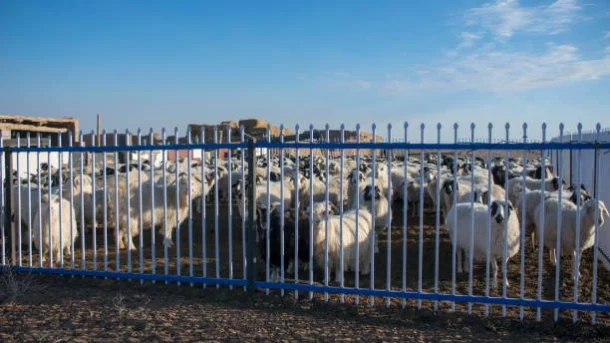

What is the primary objective of the National Livestock Mission (NLM)?

Livestock Mission

The National Livestock Mission (NLM) is a program the Indian government has put in place to encourage sustainable livestock development and raise livestock output throughout the nation. The National Livestock Mission’s main goal is to increase the income of small and marginal farmers by encouraging good animal husbandry techniques, raising livestock output, and ensuring that livestock receive the right health care and nutrition.

The NLM specifically seeks to accomplish the following goals:

In order to increase the productivity and output of livestock, the mission is focused on encouraging scientific breeding, feeding, and management practices. This entails encouraging the use of high-quality animal feed and fodder and implementing contemporary animal husbandry methods in order to increase the genetic potential of animals.

Providing infrastructure, training, and support for disease control and prevention in order to assist animal health care and disease prevention: The NLM intends to strengthen the delivery system for veterinary healthcare. This covers disease surveillance, the installation of veterinary hospitals and pharmacies, and the development of the skills of veterinary professionals.

Supporting skill development and capacity building for farmers and other stakeholders is one of the goals of the mission, which aims to promote entrepreneurship in the cattle industry. This comprises training courses on managing cattle, adding value, and marketing to increase prospects for making money.

Name a scheme that aims to promote dairy farming and provide financial assistance for the establishment of dairy units.

dairy units

The “Dairy Entrepreneurship Development Scheme” (DEDS) is one program in India that attempts to promote dairy farming and offer financial help for the creation of dairy units. The Ministry of Fisheries, Animal Husbandry, and Dairy is a government agency that oversees the Department of Animal Husbandry and Dairy.

The Dairy Entrepreneurship Development Scheme’s salient characteristics and advantages include:

Financial support: DEDS provides financial support for the development of new dairy units as well as the expansion and modernisation of existing units in the form of capital subsidies and loans. The funding helps with a number of things, including building infrastructure, buying dairy animals, buying equipment, and setting up milk processing and chilling facilities.

Technical assistance and training: The program offers dairy business owners technical assistance and training. It consists of demonstrations on several facets of dairy farming, such as animal nutrition, breeding, herd management, disease control, and milk processing, as well as programs to improve capacity and develop skills.

Which government program provides subsidized seeds and fertilizers to farmers in India?

subsidized seeds and fertilizers

The “National Food Security Mission” (NFSM) is the name of the government initiative in India that offers farmers subsidized seeds and fertilizers. The Department of Agriculture, Cooperation, and Farmers Welfare, which is a division of the Ministry of Agriculture and Farmers Welfare, is responsible for implementing the NFSM, a program that is centrally financed.

Although the NFSM’s main goals are to boost food production and guarantee food security, it also includes elements for giving farmers access to subsidized seeds and fertilizers. These elements are designed to assist farmers in implementing more productive farming methods and raising crop yields.

As part of the NFSM, qualified farmers can take use of a variety of programs and initiatives, including:

The NFSM offers discounts on the purchase of high-quality, certified seeds, including hybrid and enhanced types. The financial burden on farmers is lessened by the subsidies, which also promote the use of enhanced seed varieties with higher yield potential, disease resistance, and other desirable characteristics.

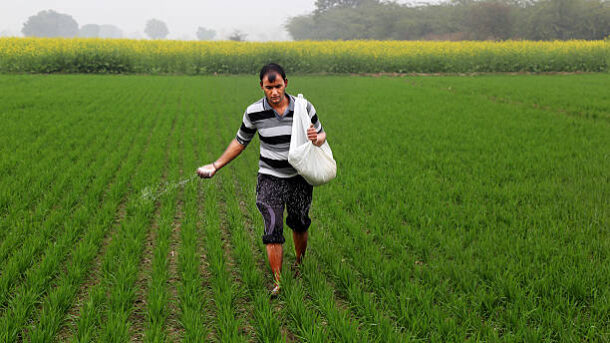
Subsidized fertilizer distribution to farmers is a part of the NFSM. Through financial assistance and subsidies on fertilizers like urea, DAP (Di-ammonium Phosphate), potash, and other vital nutrients, the program encourages the balanced use of fertilizers.

While the NFSM offers subsidized seeds and fertilizers, it’s vital to remember that state-by-state variations in implementation may occur. The program can be modified by each state government according to unique demands, crop trends, and issues in the state’s agriculture industry.

What is the purpose of the Soil Health Card Scheme in India?

Soil Health Card Scheme

The Soil Health Card Scheme in India aims to evaluate the nutritional condition of agricultural soils and offer farmers individualized advice for enhancing soil fertility and health. The program aims to advance sustainable agriculture methods and increase farming’s productivity and profitability.

The Soil Health Card Scheme main goals are as follows:

Assessing the health of the soil is the main goal of the program, which focuses on taking soil samples from farmers’ fields and testing them thoroughly in recognized labs. The examination offers details on the soil’s nutritional composition, pH value, organic carbon concentration, and other crucial factors affecting soil health.

Customized advice: Based on the results of the soil test, farmers are given a Soil Health Card that is especially tailored and offers detailed advice on how to apply balanced nutrients. The guidelines outline the proper types and amounts of soil amendments, fertilizers, and other inputs needed to maximize crop growth and yield.

The program encourages the wise and effective use of fertilizers by instructing farmers on the correct administration of nutrients based on the nutritional condition of the soil. It seeks to prevent fertilizer overuse or underuse, which can result in environmental damage or nutrient deficiencies.

Which scheme focuses on soil health management and promoting the use of organic fertilizers?

soil health

The “Soil Health Card Scheme” (SHC) is a program in India that promotes the use of organic fertilizers and focuses on managing soil health. The Ministry of Agriculture and Farmers Welfare’s Department of Agriculture, Cooperation, and Farmers Welfare administers the Soil Healths Card Scheme.

The Soil Health’s Card Scheme’s main goal is to evaluate the nutritional condition of agricultural soils and offer farmers personalized advice for enhancing soil fertility and health. The program encourages the use of organic fertilizers, the prudent use of chemical fertilizers, and long-term soil management techniques.

The Soil Health’s Card Scheme’s main characteristics and objectives include:

In accordance with the plan, accredited soil testing laboratories gather soil samples from farmers’ fields for analysis. The examination offers details on the soil’s organic carbon content, pH level, nutrient content, and other significant characteristics relating to soil healths.

Customized soil health cards: Farmers are given a Soil Health’s Card that is made specifically for them based on the findings of the soil test and offers advice for the administration of balanced nutrients. The guidelines outline the proper types and amounts of soil amendments, organic and inorganic fertilizers, and other inputs necessary for the best crop development and yield.

Name a government initiative that provides financial support for setting up agro-processing clusters in India.

agro-processing clusters

The “Scheme for Agro-Marine Processing and Development of Agro-Processing Clusters” (SAMPADA) is one government program that offers financial support for the establishment of agro-processing clusters in India. The Government of India’s Ministry of Food Processing Industries (MoFPI) has put into place the comprehensive program known as SAMPADA.

The SAMPADA scheme’s primary goal is to encourage the creation of contemporary infrastructure and agro-processing clusters to support the expansion of India’s food processing industry. Its objectives include lowering post-harvest losses, boosting value addition, raising incomes and opening up new employment opportunities, and ensuring that farmers are paid more.

The SAMPADA program’s main characteristics and advantages include:

Construction of modern infrastructure facilities, such as cold storage, cold chains, food parks, integrated units, and agro-processing clusters, is aided financially by the program. In order to reduce waste and increase value addition, it places a strong emphasis on creating effective, integrated supply chains.

Building capacity and developing skills: SAMPADA encourages training programs and other initiatives to develop the skills of farmers, business owners, and other parties involved in the food processing industry. To assist the expansion of agro-processing industries, it aims to enhance technical knowledge, quality management, and entrepreneurial skills.

Financial assistance: The program provides qualifying entities with financial assistance for establishing agroprocessing clusters and infrastructure facilities in the form of grants, loans, and subsidies. The financial aid covers a variety of topics, including capital investment, technology advancement.

What is the main objective of the Rashtriya Krishi Vikas Yojana (RKVY)?

Rashtriya Krishi Vikas Yojana

The Rashtriya Krishi Vikas Yojana (RKVY)’s principal goal is to support and promote the comprehensive growth and development of India’s agricultural industry. The Ministry of Agriculture and Farmers Welfare’s Department of Agriculture, Cooperation, and Farmers Welfare administers the RKVY, a government program.

The Rashtriya Krishi Vikas Yojana main goals are as follows:

Increasing agricultural productivity: The program’s goal is to increase agricultural output and productivity across a range of industries, including horticulture, cattle, fisheries, and other related endeavors. In order to raise yields and farm incomes, it emphasizes the implementation of contemporary technologies, best agricultural practices, and enhanced inputs.

Building up agricultural infrastructure: RKVY supports the development of irrigation systems, farm equipment, storage facilities, processing facilities, and other crucial infrastructure in order to build up agricultural infrastructure. It strives to improve value addition and agribusiness prospects while increasing the effectiveness of agricultural operations.

Sustainable agriculture is encouraged by the plan, which places a strong emphasis on this. It encourages the adoption of sustainable practices that assist environmental preservation and resource management, such as integrated pest control, conservation agriculture, watershed management, and organic farming.

Which scheme aims to provide irrigation facilities to every field in India?

irrigation facilities

The “Pradhan Mantri Krishi Sinchayee Yojana” (PMKSY) is a program that intends to give irrigation infrastructure to every land in India. The Department of Agriculture, Cooperation, and Farmers Welfare, which falls under the Ministry of Agriculture and Farmers Welfare, is the government agency irrigation facilities responsible for carrying out PMKSY.

The Pradhan Mantri Krishi Sinchayee Yojana’s main goals are to increase the nation’s water use efficiency and guarantee agricultural users have access to water. Its main objectives are to promote sustainable water management techniques in agriculture and increase irrigation facilities coverage.

The PMKSY’s main attributes and objectives are as follows:

Expanded irrigation: PMKSY seeks to quicken the speed of irrigation facilities development in India by providing funding for the construction of new irrigation infrastructure, such as the building of dams, canals, and other structures.

Watershed development: The plan encourages integrated watershed management for the preservation of soil and water. By implementing watershed development projects, it seeks to improve soil moisture retention, groundwater recharge, and rainwater harvesting.

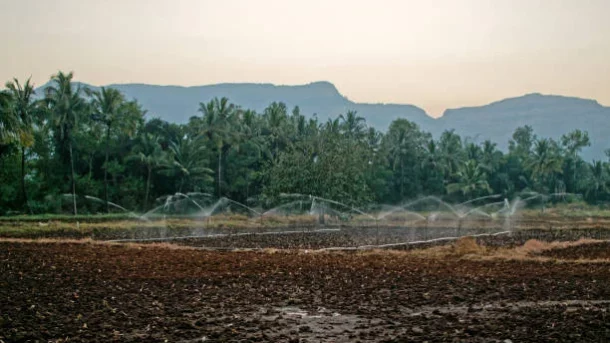
Micro-irrigation: PMKSY encourages the use of methods like drip irrigation and sprinkler irrigation for micro-irrigation. Micro-irrigation systems are installed with financial assistance, assisting in the efficient use of water, lowering water waste, and enhancing agricultural output.

What is the primary goal of the National Mission on Sustainable Agriculture (NMSA) in India?

Sustainable Agriculture

The National Mission on Sustainable Agriculture (NMSA) in India was established with the main objective of promoting sustainable agricultural practices and improving the climate change resilience of farming systems. One of the eight tasks included in the Government of India’s National Action Plan on Climate Change (NAPCC) is NMSA.

The National Mission on Sustainable Agriculture’s main goals are as follows:

NMSA intends to assist farmers in adjusting to the negative effects of climate change on agriculture. It focuses on applying climate-resilient techniques that lessen the susceptibility of agricultural systems to risks associated with the climate, such as drought, floods, heat stress, and altered rainfall patterns.

Water management: To maximize the use of water in agriculture, the mission places a strong emphasis on effective water management techniques. It encourages adoption.

Soil health and conservation: The National Mission on Sustainable Agriculture aims to enhance soil health and advance environmentally friendly methods of soil management. It promotes the use of biofertilizers, organic manures, and conservation farming methods like integrated nutrient management, crop residue management, and zero tillage to increase soil fertility and prevent erosion.

The mission strives to preserve agricultural biodiversity and encourage the cultivation of crop types that are climatically adaptable. It promotes the use of agro-ecological practices, diverse cropping systems, and the preservation of traditional and native crop varieties to increase agricultural resilience and sustainability.