Agricultural market

What is the significance of land tenure systems in agricultural markets?

land tenure systems

As they specify the rights and arrangements by which people or organizations can access, use, and control land resources for agricultural purposes, land tenure systems play a vital role in agricultural markets. Land tenure systems have a significant impact on farmers, investors, agricultural production, rural development, and overall food security. Their role in agricultural markets is varied. The following are some important facets of the importance of land tenure systems:

Incentive for Investment: Farmers have the confidence to invest in long-term improvements to their property, such as irrigation, soil conservation, and infrastructure development, thanks to secure and well defined land tenure rights. As a result, agricultural output is encouraged, and sustainable land management techniques are promoted.

Access to Credit and Financing: Farmers with secure land tenure can use their property as security to get credit and financing for equipment, agricultural supplies, and other investments. Credit availability can increase agricultural output and support rural development.

Land tenure security gives farmers a sense of stability and confidence in their farming endeavors. It promotes risk-taking and long-term planning, which boosts agricultural output.

Different land tenure systems, such as private ownership, community land, and leasing agreements, cater to various farming practices and cultural norms. Land Allocation and Tenure Diversity. The optimal use of land resources and equal access to land for various types of farmers are both guaranteed by proper land allocation.
How are emerging economies influencing the global agricultural market?

emerging economies

Emerging economies, usually referred to as developing or recently industrialized nations, are exerting more and more influence on the world agricultural market. Rapid economic expansion, growing wages, and shifting consuming habits in these economies have a considerable impact on the demand for, supply of, and trade in agricultural goods. Following are a few examples of how developing economies are affecting the world agriculture market:

Demand for Agricultural Products is Growing: As populations in emerging economies are growing and incomes are rising, there is a rapid increase in demand for food and agricultural products. Not only are fundamental food staples driving this demand, but also consumers’ increasing desire for more expensive and processed agricultural goods.

Consumers in emerging economies frequently vary their diets and want more meat, dairy, and processed foods as their wages rise. The demand for feed crops and animal products is impacted by this change in dietary habits, which has an impact on the world’s commodity markets.

Urbanization and Changing consumer Patterns: In growing economies, the process of urbanization causes changes in consumer habits. Urban customers have diverse dietary habits and are more prone to purchase imported items, processed foods, and convenience foods, which has an effect on supply chains and trade flows.

Investments in Agriculture: To improve food security and lessen reliance on imports, certain rising economies are boosting their investments in domestic agricultural output. By changing supply and demand dynamics, these investments may have an impact on international agricultural markets.

What are the key factors driving the demand for organic agricultural products?

organic agricultural

Recent years have seen a steady increase in the demand for organic agricultural goods, which is being fueled by a mix of consumer preferences, environmental concerns, health issues, and shifting market dynamics. The demand for organic products is rising as a result of several important factors, including:

Consumer awareness of the potential health dangers linked to synthetic chemicals and pesticides used in traditional agriculture is growing, raising questions about their safety and health. As they are produced without the use of synthetic pesticides, herbicides, and genetically modified organisms (GMOs), organic products are seen as safer and healthier.

Environmental Concerns: Customers are increasingly looking for organic goods due to worries about environmental sustainability and the effects of conventional agriculture on ecosystems, soil health, and water quality. Organic agricultural methods put an emphasis on preserving soil biodiversity and using fewer chemicals.

Food Quality and Nutritional Value: According to certain research, organic foods may contain more antioxidants and specific nutrients than foods cultivated conventionally. The belief that organic foods are of higher quality and nutritional worth may increase consumer demand for them.

Concerns regarding food safety have been raised by the use of antibiotics and growth hormones in conventional animal agriculture. These additives are not used in the production of organic animal products, such as organic meat and dairy, making them more appealing to consumers who are concerned about their health.

Natural and non-GMO foods are preferred by customers, therefore organic products are produced without the use of genetically modified organisms (GMOs), which is in line with their tastes.

How does the use of pesticides and herbicides affect agricultural market dynamics?

pesticides and herbicides

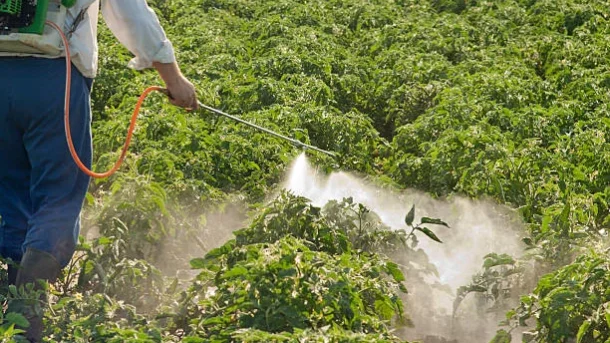
The dynamics of the agricultural market can be significantly impacted by the usage of pesticides and herbicides. While these pesticides are essential for boosting agricultural output by weeding and controlling pests, their use also has a number of market-related ramifications. The following are some ways that the usage of pesticides and herbicides impacts the dynamics of the agricultural market:

Higher Crop Yields: By helping to protect crops from pests and weeds, pesticides and herbicides can enhance crop yields and productivity. This production surplus has an impact on supply dynamics and market prices.

Price Stability: The use of pesticides and herbicides can help maintain prices in the agricultural market by decreasing crop losses brought on by weeds and pests. A consistent crop supply helps reduce price swings brought on by

Market Access and Export Possibilities: Agricultural products’ market access, particularly in international trade, can be improved through increased crop quality and decreased pest and weed contamination. Accessing international markets requires meeting strict quality standards.

Consumer Demand and Safety: Using pesticides and herbicide can cause consumers to worry about the safety of the food being produced. Growing customer preference for organic or pesticide-free goods could result from increased knowledge of pesticide residues, which would affect market demand.

Environmental Impact: Pesticides and herbicides can have harmful environmental effects, such as soil degradation, water pollution, and harm to organisms that aren’t their intended targets. Increasing consumer and market demand may be impacted by environmental challenges.

What is the role of commodity trading advisors in the agricultural market?

commodity trading advisors

In the agricultural sector, commodity trading advisors (CTAs) are crucial since they offer clients specific knowledge in trading agricultural commodities. CTAs are qualified people or businesses that have registered with the appropriate regulatory bodies. They provide trading advisory services to manage the investment portfolios of their clients with an emphasis on commodities, including those in the agricultural sector. Here are some of the major jobs and duties that CTAs perform in the agriculture market:

Market research and analysis are carried out in-depth by commodity trading advisors to find prospective trading opportunities in agricultural commodities. They research the underlying principles of supply and demand, weather patterns, geopolitical developments, and other variables that affect agricultural markets.

Development of Trading Strategies: Based on their market analysis, CTAs create trading plans that are specific to each client’s risk tolerance and investment goals. They might use a range of trading tactics, such as volatility-based strategies, mean reversion, and trend following.

Risk management: To safeguard customers’ funds and control exposure to market volatility, CTAs place a high priority on risk management. To effectively manage risk, they put in place risk controls and employ position size strategies.

Diversification: To spread risk and minimize exposure to any one commodity or market, CTAs frequently advise diversifying among other agricultural commodities.

Trade Execution: CTAs either carry out trades manually or automatically on behalf of their clients. They keep a constant eye on the markets and quickly carry out trades in accordance with their trading techniques.

How are subsidies affecting agricultural production and trade?

agricultural production

The conduct of farmers, the competitiveness of agricultural products on the global market, and the overall dynamics of the agricultural sector are all impacted by subsidies, which have a considerable impact on agricultural production and trade. Subsidies can have complex consequences that change according on the type, size, and particular agricultural situation. Subsidies have the following effects on agricultural commerce and production:

Production Incentives: Farmers are frequently given financial assistance through subsidies, which motivates them to produce more. As farmers are driven to boost production to take advantage of the financial aid, these incentives may result in greater agricultural output and higher yields.

Crop Selection: Some subsidies may be intended for a particular crop or class of goods. This may have an impact on farmers’ choices of crops.

Price Support: By establishing a minimum price for some commodities, price support subsidies seek to stabilize the price of agricultural products. This may effect agricultural production and trade dynamics and production choices, leading to surpluses that affect market pricing globally.

Trade Distortion: Agricultural products with subsidies may be more competitive than those from nations without subsidies since they can be purchased on international markets for less money. This may result in trade conflicts and market distortions that have an impact on farmers’ lives in non-subsidizing nations.

Environmental Impact: Some incentives could encourage behaviors that are harmful to the environment, including using excessive amounts of water or fertilizer. Environmental deterioration and resource depletion may result from this.

What are the challenges in implementing sustainable agricultural practices in developing countries?

implementing sustainable

Economic, social, and environmental considerations might make it difficult to implementing sustainable agriculture techniques in underdeveloped nations. Depending on the unique circumstances of each nation, these difficulties can vary, however some typical roadblocks include:

Limited Access to Resources: In developing nations, smallholder farmers frequently have trouble getting access to basic resources including land, water, high-quality seeds, fertilizer, and agricultural inputs. Adoption of sustainable methods may be hampered by high costs and limited supply.

Financial Restrictions: Many farmers in poor nations have financial restrictions when investing in environmentally friendly techniques and technologies due to their restricted access to credit. They could be unable to buy equipment or implement sustainable practices because of a lack of funding, which could result in higher initial costs.

Education and Awareness: Farmers and rural communities may have insufficient knowledge and awareness of sustainable agriculture practices. The adoption of implementing sustainable practices must be encouraged through educational outreach and capacity-building initiatives.

Traditional Farming Methods: Some rural communities have a strong heritage of using old-fashioned farming techniques that may not be viable. It might be difficult to persuade farmers to switch to new and unorthodox sustainable techniques.

Infrastructure and Technology: The adoption and implementation of sustainable practices can be hampered by inadequate infrastructure, particularly inadequate roadways, transportation, and storage facilities. Farmers can also find it difficult to learn about and use sustainable practices if they have restricted access to technology and the internet.

How does the growing population impact the demand for agricultural products?

for agricultural

The demand for agricultural products is significantly impacted by the expanding population. The need for food, fiber, and other agricultural products rises along with the global population. The link between population increase and agricultural demand is influenced by a number of factors, including:

Increased Food Consumption: As a result of a growing population, there is a greater need for food to satisfy everyone’s dietary requirements. Changing dietary choices toward more resource-intensive foods, such meat and dairy, may occur when living standards rise, further driving up the demand for agricultural products.

Urbanization and Changing Diets: A shift toward more processed and ready-to-eat foods is a common result of urbanization. The production and processing of these foods may need more agricultural resources as a result of this change in diet.

Biofuels and Industrial Uses: Demand for agricultural products utilized in a variety of sectors, including textile, pharmaceutical, and bio-based materials, is also driven by population expansion.

Rising Middle Class: The demand for higher-quality and more diverse food products rises as more individuals, particularly in developing nations, enter the middle class. Agricultural production systems are under more pressure as a result of this development.

Income per capita: With a growing population, income per capita levels may have an impact on the demand for more varied and valuable agricultural products.

Climate Change and Land Constraints: The problems brought on by climate change and a shortage of arable land are exacerbated by population development. As environmental restrictions come into play, it becomes more difficult to meet the demand for agricultural products.

What are the prospects for blockchain technology in agricultural supply chains?

blockchain technology

The potential for blockchain technology to change agricultural supply chains is quite promising. Its distinctive qualities, including immutability, transparency, and decentralized data management, can help the agricultural sector overcome a number of obstacles. The following are some of the main applications of blockchain technology in food supply chains:

Transparency and traceability: From the farm to the customer, agricultural products may be tracked using blockchain technology. Production, processing, shipping, and storage are just a few of the steps in the supply chain that may be tracked on the blockchain. By providing consumers with access to specific information on the place of origin and travels of their food products, supply chain trust and confidence are increased.

Automation and smart contracts: Several supply chain procedures can be automated using smart contracts, self-executing contracts with predefined conditions. These contracts can minimize administrative work and human mistake by setting off events, such payments or quality certifications, when certain criteria are satisfied.

Market Access and Trade Facilitation: By streamlining documentation procedures and assuring compliance with import/export laws, blockchain can facilitate global trade. It offers a safe environment for parties to exchange private trade information.

How are food safety regulations impacting the agricultural market?

food safety regulations

Agricultural market players including farmers, food processors, distributors, retailers, and consumers are all impacted byfood safety regulations and standards. These rules aim to preserve the general public’s health, assure the safety and quality of food items, and guard against foodborne illnesses. Here are a few ways that laws governing food safety are affecting the agriculture market:

Regulations governing food safety provide requirements for farming operations, processing techniques, and handling practices. To protect the quality of their products and to stay within the bounds of the law, farmers and food processors are required to abide by these criteria.

Risk management and traceability: Regulations governing food safety frequently call for effective traceability systems, in which every step of the food supply chain is recorded and monitored. This allows for quick detection and containment of foodborne outbreaks.

Market Access and International Trade: Accessing international markets requires adherence to food safety regulations. To safeguard its consumers, several nations set onerous import regulations, which exporters must adhere to in order to do business internationally.

Food safety laws make food producers responsible for the security of their products through product recalls and liability. Companies may need to recall items in the event of an epidemic or contamination of a foodborne illness, and they risk legal repercussions.

Consumer Trust and Producer Reputation: Following food safety laws improves producer reputation and fosters consumer trust. Customers are more inclined to buy good.