Agricultural market

How are farmers adapting to changing agreements and geopolitical dynamics?

farmers

Supportive Regulations and Permitting Procedures: To make urban agriculture activities easier, governments are streamlining regulations and permit procedures for farmers. This entails streamlining the application process for permits and removing obstacles relating to zoning compliance, water usage, waste management, and land use regulations. Some localities have enacted licenses or permits for urban farming that are specific to the requirements and needs of urban agriculture.

Enhancing home Market Presence: In order to lessen their reliance on international trade, farmers are concentrating on enhancing their home market presence. They look at community-supported agriculture (CSA) programs, farmers markets, direct-to-consumer sales, and local marketing channels. Even in the face of disruptions in commerce, this strategy aids farmers in maintaining a steady market base.

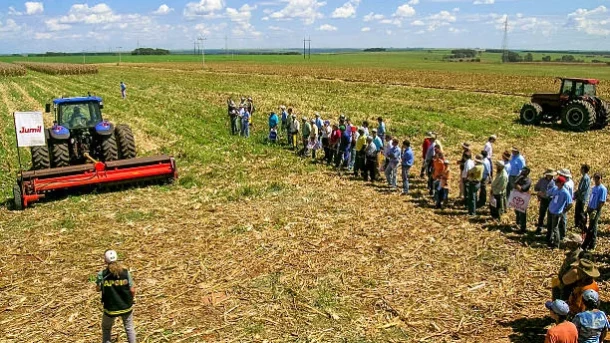
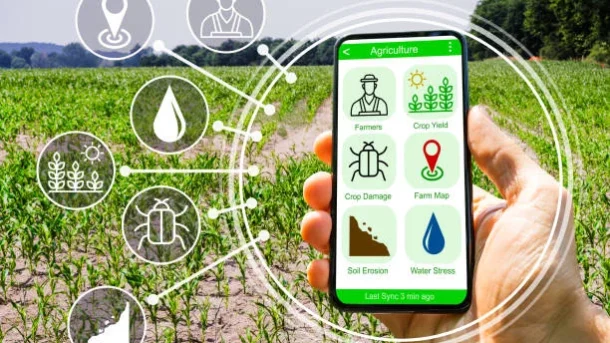
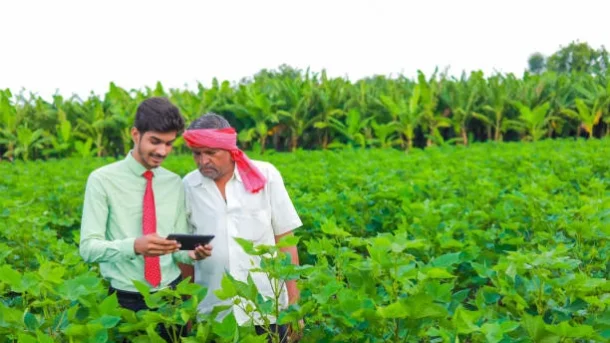
Adopting Technology and Innovation: In order to increase their competitiveness on the global market, they are embracing technology and innovation. They make investments in precision agriculture methods, make use of cutting-edge machinery and equipment, make decisions using data, and practice sustainable farming methods. Farmers may increase output, cut expenses, and produce goods that are up to par with global standards by utilizing technology.

What are the current debates on agricultural subsidies and market distortions?

agricultural subsidies

Policymakers, economists, and stakeholders in the agriculture sector are always debating and conversing about agricultural subsidies and market distortions. The following are some of the main arguments over agricultural subsidy and market distortions:

Trade distortions: The potential for agricultural subsidies to distort international agricultural markets is one of the main issues associated with them. The competitiveness of farmers in developing nations, who cannot match the subsidies provided by affluent countries, is harmed by subsidies since they can result in overproduction and the dumping of subsidized products in international markets. In international trade discussions, such as those conducted by the World Trade Organization (WTO), this subject has been a major source of dispute.

Effects on Domestic Markets: Agricultural subsidies can have a big impact on domestic markets, impacting prices, output levels, and the ability of domestic farmers to compete internationally. Supporters contend that subsidies are essential to protect rural livelihoods, stabilize prices, and guarantee food security. Subsidies, according to their detractors, can cause inefficiencies, overproduction, and a fictitious distortion of resource allocation, which could hurt small-scale farmers and put more of a financial strain on taxpayers.

Environmental Impacts: Agricultural subsidies may have an impact on how land is used and how food is produced, which may have an impact on the environment. Some subsidies, critics claim, especially those linked to input usage or output levels, may encourage unsustainable agricultural practices, such as excessive use of pesticides and fertilizers, deforestation, and overuse of water sources.

What are the efforts to promote sustainable and inclusive value chains in agriculture?

sustainable

Agriculture-related initiatives to advance sustainable and inclusive value chains seek to expand economic possibilities, lessen inequality, uphold environmental stewardship, and enhance the overall sustainability of agricultural systems. Here are some important programmes and tactics in this area:

Fair Trade Certification: By ensuring fair prices, better trading conditions, and community development, fair trade certification programmes work to enhance the lives of small-scale farmers and employees. These initiatives give items that adhere to social, economic, and environmental norms market access and premium prices. Fair trade increases community empowerment, supports sustainable manufacturing methods, and develops enduring relationships between consumers and producers.

Obtaining certification and labelling through programmes like organic certification, Rainforest Alliance, UTZ, and other sustainability standards enables farmers to prove adherence to certain sustainability criteria.

How are sustainable fishing practices being promoted and enforced?

practices

Various efforts and actions are being taken at the international, regional, and national levels to promote and enforce sustainable fishing practices. Here are some crucial strategies:

Governments and fisheries management organizations put rules into place to regulate fishing operations and guarantee sustainable practices. Fishing quotas, seasonal closures, gear limitations, minimum size limits, and protected zones are some of these regulations. These actions aid in safeguarding fish stocks, avoiding overfishing, and enabling population regrowth.

Fisheries assessments that are based on science are essential for comprehending fish populations, their habitats, and the effects of fishing. Information on stock status, fishing fatality rates, and ecological effects is provided via fisheries assessments. In order to ensure long-term sustainability, this scientific knowledge aids in informing management decisions, setting sustainable catch limits, and modifying fishing techniques.

Monitoring and surveillance systems for fishing vessels are used to keep an eye on fishing operations. These systems include vessel monitoring systems (VMS) and surveillance tools like satellite tracking and onboard observers. Authorities can identify and stop illegal, unreported, and unregulated (IUU) fishing practices by using VMS, which tracks the locations, movements, and activities of fishing vessels. Transparency, compliance, and efficient fisheries management are all facilitated by these platforms.

Traceability and certification: Traceability systems keep track of a fish’s voyage from the time it is caught until it reaches the consumer, ensuring accountability and transparency across the seafood supply chain. The origin of seafood items from sustainable fisheries or ethical aquaculture operations is confirmed by certification programmes like the Marine Stewardship Council (MSC) and Aquaculture Stewardship Council (ASC). These initiatives give customers the reassurance that the seafood they buy is caught sustainably.

What are the challenges and opportunities in agricultural cooperatives and farmer organizations?

cooperatives

Farmer organizations and agricultural cooperatives are essential for empowering farmers, boosting their negotiating power, and advancing sustainable farming practices. They do, however, also encounter certain difficulties and chances. Here are a few examples:

Limited Access to finance: It can be difficult for agricultural cooperatives and farmer organizations to obtain enough finance for operations, investments, and expansion. Their capacity to offer essential services, such as the acquisition of input, machinery, storage facilities, and marketing support, may be hampered by a lack of financial resources.

Lack of Technical and Management Skills: Successful cooperatives and farmer organizations depend on effective management and technical know-how. However, many farmers might not have the requisite abilities in fields like governance, marketing, financial management, and business planning. Their capacity to can be hampered by this skills mismatch.

Market Access and Price Volatility: For cooperatives and farmer organizations, accessing markets and securing fair prices for agricultural products is a key difficulty. They might have trouble negotiating with customers, figuring out supplier systems, and reacting to pricing changes. Their profitability and negotiating leverage may be constrained by inadequate market connections and middlemen’s hegemonic authority.

Limited Technology and Infrastructure: The operation of cooperatives and farmer organizations can be hampered by inadequate technology and infrastructure, such as roads, storage facilities, processing facilities, and transportation networks. Their capacity to implement effective production practices and value-added activities may also be restricted by a lack of access to contemporary agricultural technologies and information systems.

How are governments and organizations supporting agribusiness development and entrepreneurship?

agribusiness development

Governments and organizations encourage the growth of agriculture and entrepreneurship by offering a variety of services, funding, education, and regulatory frameworks. agribusiness development growth is frequently aided by governments and organizations in the following ways:

Access to Finance: Through loans, grants, subsidies, and investment programmes, governments and organizations support agribusinesses financially. These money can be applied to other company requirements as well as infrastructure expansion, technology adoption, working capital, and equipment purchases. Agricultural-focused credit products may also be offered by financial institutions.

Training and capacity building programmes are carried out to improve the technical and entrepreneurial abilities of agribusiness development owners and employees. Training programmes encompass topics like value chain management, marketing, and financial planning.

Market Access and Linkages: By building platforms and networks that link producers with consumers, processors, retailers, and export markets, governments and organizations help agribusiness development get access to markets. This involves setting up trade shows, creating market information systems, fostering market connections, and offering help for adhering to quality and food safety regulations for both domestic and foreign markets.

Supporting Policies and Regulatory Frameworks: Governments create supporting policies and regulatory frameworks that foster the growth of the agriculture sector. Land tenure, property rights, intellectual property, trade facilitation, tax incentives, investment promotion, and agricultural subsidies are some of the topics covered by these policies. Uncertainty is reduced and agribusiness investment is encouraged by clear and consistent policies.

What are the trends in agricultural insurance and risk management?

risk management

To address the difficulties faced by farmers in the face of climate change, market fluctuations, and other risks, agricultural insurance and risk management have evolved. Here are some significant developments in agricultural risk management and insurance:

Index-based Insurance: In agricultural risk management, index-based insurance is becoming more and more common. Index-based insurance employs pre-defined indices, such as weather data or agricultural yields, to decide payouts rather than indemnifying losses based on individual farm-level evaluations. In the event of certain weather occurrences or crop failures, this method streamlines the claims procedure, lowers administrative expenses, and expedites farmer reimbursement.

agricultural insurance that uses measurable characteristics, such as temperature or rainfall thresholds, to determine when to pay out is known as parametric insurance. The rewards are predicated on the occurrence of a preset event or parameter breach rather than being directly related to specific losses. Farmers may more efficiently control risks thanks to parametric insurance, which provides prompt and transparent recompense.

Products for Crop-Specific Insurance: Traditional crop insurance usually covers the main food crops. A increasing tendency, meanwhile, is to create insurance solutions that are specialized to particular crops, like fruits, vegetables, and specialty crops. These specialized insurance policies take into account the distinct hazards connected to certain crops and offer coverage in line with their particular needs.

How are small-scale farmers and rural communities being supported and empowered?

rural communities

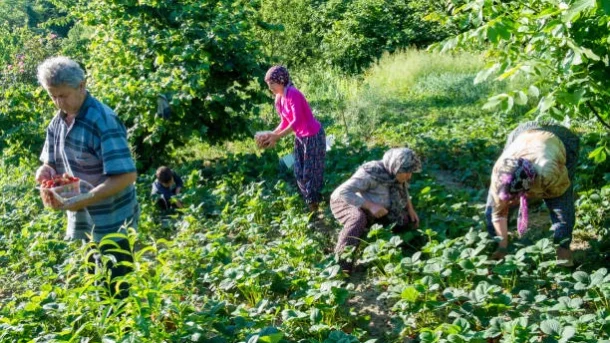
Through a variety of initiatives and methods aimed at upgrading their livelihoods, increasing their resilience, and promoting sustainable development, rural communities and small-scale farmers are being supported and given more influence. The following are some important ways that small-scale farmers and rural communities are supported:

Access to Finance and Credit: For small-scale farmers, a lack of access to finance and credit poses serious difficulties. Their access to low-cost loans, microcredit, and financial services is being improved. Agricultural loans, savings programmes, and insurance plans are just a few of the financial goods and services that financial institutions, government initiatives, and NGOs are offering specifically to meet the needs of small-scale farmers.
Capacity Building and Training: Building the capacity and skills of small-scale farmers is critical for their empowerment. Training programs and workshops are conducted to enhance their knowledge and skills in various areas, including sustainable farming practices, crop diversification, improved post-harvest handling, financial management, marketing, and entrepreneurship. These capacity-building initiatives equip farmers with the tools they need to improve their productivity, efficiency, and income.

Access to Market and Value Chain Integration: Small-scale farmers often face challenges in accessing markets, especially distant and higher-value markets. Initiatives are focused on improving their market access and facilitating their integration into value chains. This includes the establishment of farmer cooperatives, formation of producer associations, and strengthening linkages between farmers and buyers. Market information systems, contract farming arrangements, and direct marketing platforms help connect farmers with buyers and provide them with fair prices and market opportunities.

How are farmers using social media and digital marketing to connect with consumers?

social media

Farmers are connecting with consumers and sharing their stories, goods, and beliefs more and more using social media and digital marketing techniques. Here are some examples of how farmers are using social media and online advertising:

Developing an Online Presence: Farmers are setting up social media accounts, websites, and blogs to have an online presence. These platforms are used by them to promote their farm, inform consumers about their products and agricultural methods, and interact with them. Farmers can engage with customers who are interested in supporting local and sustainable agriculture by having an online presence and reaching a wider audience.

Sharing Farm tales: Farmers can use social networking as a platform to communicate with consumers about their experiences, tales, and daily activities. Farmers can provide consumers with visual, verbal, and written content
Direct Communication: Social media platforms make it possible for farmers and customers to communicate directly. Real-time responses, updates, and problems can be addressed by farmers. Through this direct communication, farmers are able to inform consumers about their goods, farming practices, and the value of promoting regional agriculture while also fostering connections and trust.

Sales and Product Promotion: Farmers employ digital marketing strategies to sell their goods and increase sales. They might operate specialized web advertising efforts, provide details about where and how people can buy their products, and run specific deals or discounts. Farmers can use social media to promote events like farmers markets, CSA (Community Supported Agriculture) sign-ups, and on-farm activities

How is agri-tourism contributing to rural development and diversification?

agri-tourism

By utilizing agricultural resources and drawing tourists to rural areas, Agri-tourism, often referred to as agricultural tourism or farm tourism, is playing a vital role in rural development and diversification. Here is how agritourism helps with each of these factors:

Economic development: Agritourism gives farmers and rural areas a second source of income. Farmers can make money from tourism-related activities in addition to their regular farming activities by providing farm tours, farm stays, agricultural workshops, or other agrarian experiences. This revenue diversification promotes economic stability in rural areas, job growth, and the expansion of nearby establishments like hotels, eateries, and artisanal producers.

Rural entrepreneurship is supported by agri-tourism, which also fosters the growth of small companies. Agritourism businesses, such as farm-to-table restaurants, farm shops, craft markets, or leisure pursuits like pick-your-own fruit farms or corn mazes, can be started by farmers and locals. As a result, rural communities are encouraged to be creative, innovative, and self-sufficient, which helps the local economy.

Cultural Preservation and legacy: Local customs, rural lives, and agricultural legacy are frequently highlighted through agritourism, providing chances for cultural preservation. Visitors can taste regional cuisine and crafts, take part in seasonal events, and learn about traditional farming methods. This encourages pride in local culture, preserves rural customs, and safeguards rural history as a whole.