Advanced agriculture

How are farmers using satellite imagery and GIS for land management and monitoring?

imagery

Farmers are using Geographic Information System (GIS) technology and satellite imagery more and more for land management and monitoring. Here are some significant applications of these technologies:

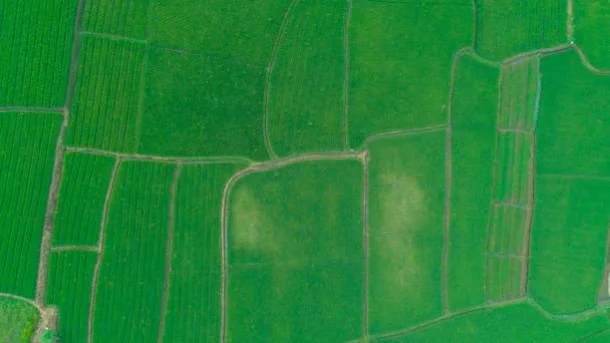
Crop monitoring and yield estimation are made possible by satellite imagery, which gives farmers a bird’s-eye perspective of their fields and enables them to track crop development, identify stress factors, and calculate yields. Farmers can spot changes in crop health, nutritional deficits, pest infestations, and disease outbreaks by examining satellite photos. They can use this knowledge to make educated decisions about irrigation, fertilizer use, and pest control, which results in more effective resource management and higher crop output.

GIS and satellite imagery are essential components of precision agriculture techniques. Farmers can improve yields by combining information from satellite pictures, soil sensors, and other sources.

Crop Rotation and Land Use Planning: GIS and satellite imagery help with crop rotation and land use planning techniques. Farmers can evaluate the viability of various regions of their property for particular crops based on criteria like soil type, terrain, and drainage by analyzing historical and current satellite pictures. In order to reduce disease pressure, nitrogen depletion, and soil erosion while increasing yields and maintaining soil health, farmers can use GIS technologies to construct the best crop rotation schedules.

Irrigation management: GIS and satellite-based data are useful resources for enhancing irrigation procedures. Farmers may determine the amount of water crops will need and keep track of the soil moisture levels in their fields by combining satellite photography, weather information, and evapotranspiration models. This knowledge enables them to more accurately plan irrigation, preventing under- or over-irrigation, minimizing water waste.
What are the efforts to promote sustainable and inclusive value chains in agriculture?

sustainable

Agriculture-related initiatives to advance sustainable and inclusive value chains seek to expand economic possibilities, lessen inequality, uphold environmental stewardship, and enhance the overall sustainability of agricultural systems. Here are some important programmes and tactics in this area:

Fair Trade Certification: By ensuring fair prices, better trading conditions, and community development, fair trade certification programmes work to enhance the lives of small-scale farmers and employees. These initiatives give items that adhere to social, economic, and environmental norms market access and premium prices. Fair trade increases community empowerment, supports sustainable manufacturing methods, and develops enduring relationships between consumers and producers.

Obtaining certification and labelling through programmes like organic certification, Rainforest Alliance, UTZ, and other sustainability standards enables farmers to prove adherence to certain sustainability criteria.

How is the use of renewable energy being promoted in agricultural operations?

renewable

Through a number of projects and policies aimed at lowering greenhouse gas emissions, enhancing energy efficiency, and achieving sustainable agricultural practices, the use of renewable energy in agricultural operations is being promoted. The following are some significant ways that agriculture is promoting renewable energy:

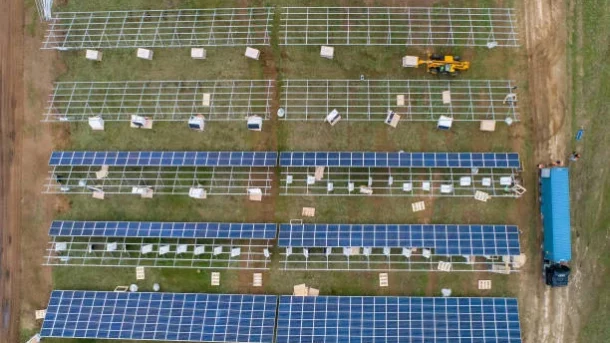
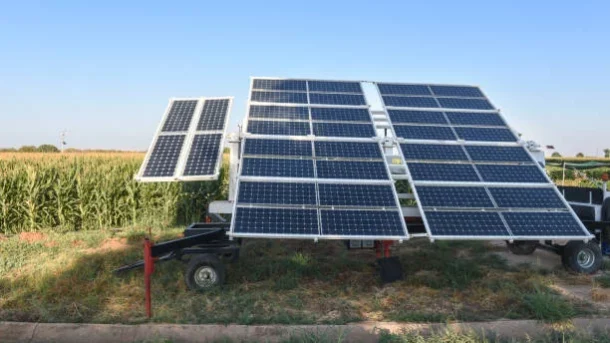
One of the most extensively used renewable energy sources in agriculture is solar power. On farms, photovoltaic (PV) systems or solar panels are used to generate electricity for a variety of uses, including running agricultural equipment, lighting, ventilation, and irrigation systems. Governments and other organizations encourage farmers to embrace solar energy technology and make investments in on-farm solar installations by offering incentives, grants, and subsidies.

Biomass and bioenergy: Through procedures like anaerobic digestion, gasification, or direct combustion, biomass—such as crop leftovers, animal dung, and crops grown specifically for bioenergy—can be transformed into bioenergy. The biogas created by anaerobic digestion can be utilized to provide biofuels for farm equipment as well as energy and heat. Farm buildings and greenhouses can be heated using biomass boilers and biomass-based heating systems.

Geothermal Energy: Geothermal energy makes use of the heat that is trapped beneath the surface of the Earth. Geothermal systems can be used to dry agricultural products and provide warmth and cooling for greenhouses and farm buildings. Geothermal heat pumps use less energy than conventional heating and cooling systems, which can result in significant energy savings.

What are the advancements in plant disease detection and management techniques?

management

Early detection and efficient control of plant diseases have tremendously benefited from improvements in plant disease detection and management approaches. Here are a few noteworthy developments in this area:

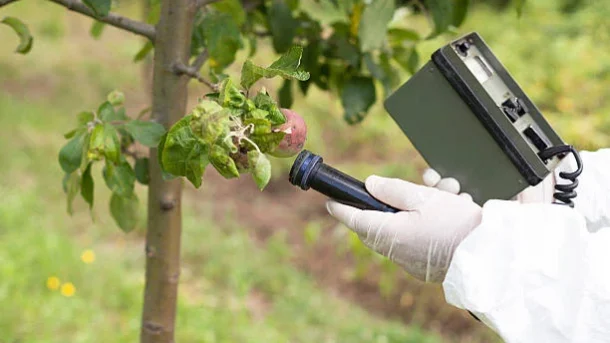
Molecular diagnostic tools: The identification of plant diseases has been revolutionized by molecular methods including DNA sequencing, real-time PCR, and polymerase chain reaction (PCR). These instruments use specific DNA or RNA sequences to quickly and precisely identify infections. They make it possible to diagnose diseases early, even before they show any outward signs, allowing for prompt disease management approaches.

Technologies for remote sensing and imaging: Plant diseases are being found over wide areas using remote sensing methods, such as hyperspectral imaging and unmanned aerial vehicles (UAVs or drones). These technologies are able to recognize tiny alterations in plant health and early disease indications.

Plant breeding programmes concentrate on creating disease-resistant crop types using either traditional breeding methods or genetic engineering. Breeding for resistance entails locating and introducing into crop kinds the genes that provide resistance to particular diseases. Disease-resistant cultivars offer long-term, sustainable options for managing diseases while reducing the need for chemical pesticides.

Technologies for precision agriculture and sensors are being utilized to manage disease. Examples include sensors, data analytics, and automation. Moisture content, nutritional levels, and disease markers are just a few of the factors that soil and plant sensors may assess. By using the information gathered from these sensors, irrigation, fertilization, and pesticide applications may be made more effective, which will help with disease prevention and resource management.

How are sustainable fishing practices being promoted and enforced?

practices

Various efforts and actions are being taken at the international, regional, and national levels to promote and enforce sustainable fishing practices. Here are some crucial strategies:

Governments and fisheries management organizations put rules into place to regulate fishing operations and guarantee sustainable practices. Fishing quotas, seasonal closures, gear limitations, minimum size limits, and protected zones are some of these regulations. These actions aid in safeguarding fish stocks, avoiding overfishing, and enabling population regrowth.

Fisheries assessments that are based on science are essential for comprehending fish populations, their habitats, and the effects of fishing. Information on stock status, fishing fatality rates, and ecological effects is provided via fisheries assessments. In order to ensure long-term sustainability, this scientific knowledge aids in informing management decisions, setting sustainable catch limits, and modifying fishing techniques.

Monitoring and surveillance systems for fishing vessels are used to keep an eye on fishing operations. These systems include vessel monitoring systems (VMS) and surveillance tools like satellite tracking and onboard observers. Authorities can identify and stop illegal, unreported, and unregulated (IUU) fishing practices by using VMS, which tracks the locations, movements, and activities of fishing vessels. Transparency, compliance, and efficient fisheries management are all facilitated by these platforms.

Traceability and certification: Traceability systems keep track of a fish’s voyage from the time it is caught until it reaches the consumer, ensuring accountability and transparency across the seafood supply chain. The origin of seafood items from sustainable fisheries or ethical aquaculture operations is confirmed by certification programmes like the Marine Stewardship Council (MSC) and Aquaculture Stewardship Council (ASC). These initiatives give customers the reassurance that the seafood they buy is caught sustainably.

What are the challenges and opportunities in agricultural cooperatives and farmer organizations?

cooperatives

Farmer organizations and agricultural cooperatives are essential for empowering farmers, boosting their negotiating power, and advancing sustainable farming practices. They do, however, also encounter certain difficulties and chances. Here are a few examples:

Limited Access to finance: It can be difficult for agricultural cooperatives and farmer organizations to obtain enough finance for operations, investments, and expansion. Their capacity to offer essential services, such as the acquisition of input, machinery, storage facilities, and marketing support, may be hampered by a lack of financial resources.

Lack of Technical and Management Skills: Successful cooperatives and farmer organizations depend on effective management and technical know-how. However, many farmers might not have the requisite abilities in fields like governance, marketing, financial management, and business planning. Their capacity to can be hampered by this skills mismatch.

Market Access and Price Volatility: For cooperatives and farmer organizations, accessing markets and securing fair prices for agricultural products is a key difficulty. They might have trouble negotiating with customers, figuring out supplier systems, and reacting to pricing changes. Their profitability and negotiating leverage may be constrained by inadequate market connections and middlemen’s hegemonic authority.

Limited Technology and Infrastructure: The operation of cooperatives and farmer organizations can be hampered by inadequate technology and infrastructure, such as roads, storage facilities, processing facilities, and transportation networks. Their capacity to implement effective production practices and value-added activities may also be restricted by a lack of access to contemporary agricultural technologies and information systems.

How is the agriculture sector addressing the issue of farm animal welfare?

farm animal

Farm animal welfare is becoming more and more important, and the agriculture industry is taking action to address this problem. The industry is tackling farm animal welfare in the following ways:

Standards and rules for Animal care: For agricultural animals, many nations and areas have set standards and rules for animal care. To protect the welfare of the animals, these rules specify the minimal conditions for housing, handling, transportation, and slaughter. They offer a framework for farmers to adhere to and are frequently based on best practices and scholarly research.

Animal Welfare Certification and Labelling: A number of certification and labelling programmes have been created to inform customers about the welfare of farm animals. These programmes evaluate and confirm if certain standards for animal care are met or surpassed.

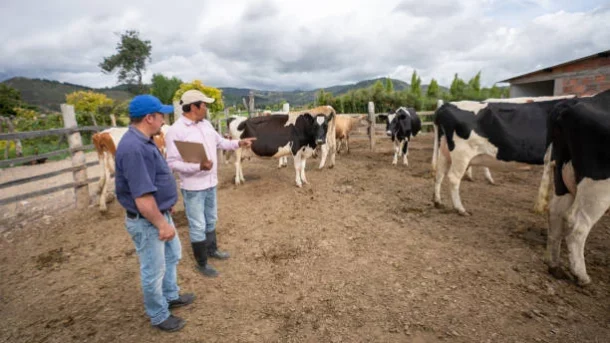
Farm Animal Health and medical Care: Two crucial components of farm animal welfare are ensuring good animal health and offering proper medical care. In order to monitor the health and wellbeing of their animals, run vaccination programmes, control disease, and address any injuries or health issues as soon as they arise, farmers closely collaborate with veterinarians. Preventive care and routine veterinarian exams help to uphold high welfare standards.

Housing and Living Conditions: It’s important to provide suitable housing and living conditions for farm animals. Improvements are being made to housing systems to give animals more room, cozy places to relax, good ventilation, and access to clean water and nourishing food. Systems that aim to improve animal welfare include free-range poultry systems, group housing for pigs, and enriched cages for laying hens.

What are the recent developments in precision spraying and pest control technologies?

spraying and pest

Accuracy, efficiency, and sustainability have been prioritized in recent advances in precision spraying and pest management systems. Here are a few noteworthy developments:

Artificial Intelligence and Machine Learning: To analyze data and make precise judgements in pest management, artificial intelligence (AI) and machine learning algorithms are being used. For the purpose of locating pest hotspots, streamlining spraying schedules, and anticipating pest outbreaks, these technologies can handle copious volumes of data from sensors, drones, and satellites. Real-time monitoring and focused treatments are made possible by systems powered by AI, which eliminates the need for widespread pesticide application.

Advanced sensor technology and Internet of Things (IoT) gadgets are being incorporated into pest control systems. Real-time monitoring of environmental variables, pest populations, and crop health is possible with these sensors. They give useful services.

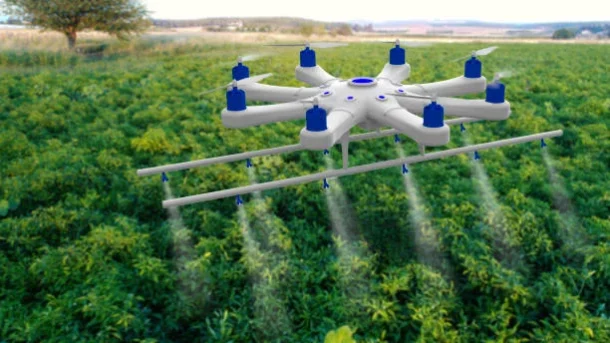
Precision spraying and pest management are being revolutionized by robotics and drone technology. Unmanned aerial vehicles (UAVs) with sensors and cameras may gather detailed information on crop conditions, insect populations, and disease outbreaks. Farmers can target specific locations for pesticide application and maximize resource use with the help of this information. Robotic equipment on the ground can also precisely distribute biological control agents or perform targeted spraying.

Variable Rate Technology (VRT): Based on spatial variability within a field, variable rate technology provides precise administration of pesticides. In order to adjust the pesticide application rate in response to crop conditions and pest distribution, VRT systems use maps created from sensor data or remote sensing data.

How is the concept of agroforestry being integrated into climate change mitigation strategies?

climate change mitigation

Agroforestry is increasingly recognized as a valuable approach for climate change mitigation due to its potential to sequester carbon, enhance resilience, and promote sustainable land management. Here are some ways in which the concept of agroforestry is being integrated into climate change mitigation strategies:

Carbon Sequestration: Agroforestry systems, with their combination of trees, crops, and/or livestock, have the capacity to sequester significant amounts of carbon in both above-ground biomass and soil. Trees in agroforestry systems capture and store carbon dioxide from the atmosphere, reducing greenhouse gas concentrations. Agroforestry practices such as silvopasture (integrating trees and livestock), alley cropping (trees intercropped with crops), and forest farming (cultivating crops under the shade of trees) can effectively contribute to carbon sequestration.

Reduced Emissions from Deforestation and Forest Degradation (REDD+): Agroforestry plays a crucial role in REDD+ initiatives, which aim to reduce carbon emissions from deforestation and forest degradation. By promoting agroforestry practices, which offer alternative land uses to slash-and-burn agriculture and forest clearance, countries can mitigate greenhouse gas emissions while simultaneously meeting agricultural and livelihood needs.

Agroforestry is a crucial part of climate-smart agriculture, a strategy that attempts to boost agricultural output, improve climate change resistance, and lower greenhouse gas emissions. Agroforestry practices offer a variety of advantages, including improved water management, increased biodiversity, and varied income streams. These advantages help make agricultural systems more resilient to climate change mitigation overall.

Agroforestry contributes to sustainable land management by promoting water retention, minimizing erosion, and improving soil health. In agroforestry systems, the presence of trees aids in preventing soil erosion, promoting nutrient cycling, and increasing organic matter content, improving soil structure and fertility. By storing carbon in the soil and requiring fewer chemical inputs, this helps to mitigate climate change mitigation.

What are the implications of urbanization on agricultural land use and productivity?

urbanization

Urbanization has several implications for agricultural land use and productivity. Here are some key implications:

Land Conversion: Urbanization often leads to the conversion of agricultural land into residential, commercial, or industrial areas. As cities expand and population density increases, agricultural land is gradually transformed into urban infrastructure, including buildings, roads, and other urban amenities. This conversion reduces the total area of available agricultural land, leading to a decline in agricultural production capacity.

Fragmentation and Loss of Agricultural Land: Urbanization can result in the fragmentation of agricultural land into smaller parcels due to land subdivision and development. Fragmentation makes it challenging for farmers to maintain viable agricultural operations and implement efficient land management practices. Moreover, the encroachment of urban areas can lead to the complete loss of agricultural land, further reducing the overall agricultural productivity of the region.

Urbanization frequently generates demand for surrounding agricultural land to supply food and other agricultural products to the expanding urban population. This puts pressure on productive agricultural land. As a result, there might be more pressure to convert fertile agricultural land that is adjacent to cities. This may result in the loss of irrigated, fertile land, which could have an impact on potential agricultural output and food production.

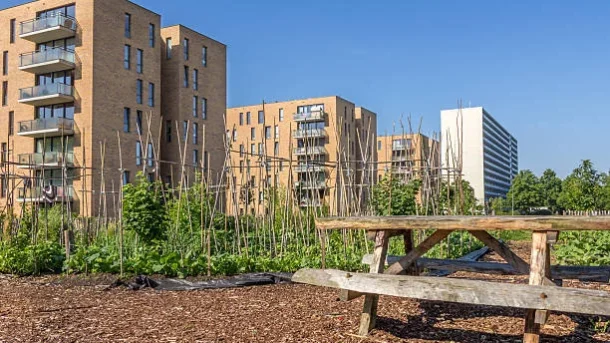
Farming practices might change as a result of urbanization as conventional agricultural systems are modified or replaced to meet the needs and restrictions of the city. For instance, high-value crops or horticulture may become the focus of commercial farming as these industries might be more lucrative in urban markets. Additionally, to make use of the limited urban space, urban agriculture techniques like rooftop gardens, vertical farming, or community gardens may emerge.