POSTEDITOR OFFICE

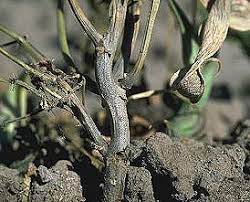
Ashy stem blight disease in Dolichos bean crop (Arka)

stem

Ashy stem blight is a common disease that affects Dolichos bean (Arka) crops. The disease is caused by the fungus Phomopsis vexans, which can infect the stems, leaves, and pods of the plant.

Symptoms of the disease include brown or black lesions on the stem, which can cause the stem to become brittle and break easily. The leaves may also develop yellow spots, and the pods may become discolored and deformed.

To control the spread of the disease, it is important to implement proper cultural practices such as crop rotation, removing infected plant debris, and avoiding overhead irrigation. Additionally, fungicides can be applied to help control the spread of the disease, with thiophanate methyl and vitavax reduced incidence significantly. Treating the seeds with captan, thiram or benlate is also helpful in reducing the disease( usually 3g/kg og seeds). Organic control implement by treating the seed with biocontrol agents like Trichoderma viride, Pseudomonas fluorescens and Bacillus subtilis show the results. 
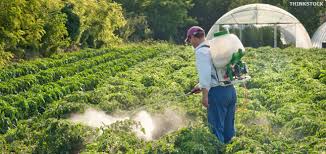
How fumigation used in agriculture?

Fumigation

Fumigation is a pest control method used in agriculture to eliminate or control harmful insects, pathogens, and other pests that can damage crops. It involves the use of gaseous or vaporized chemicals, called fumigants, which are applied to soil or stored grain to kill or control pests.

There are different types of fumigation methods, each of which uses a specific type of fumigant and application method. Some common fumigants used in agriculture include methyl bromide, phosphine, and sulfuryl fluoride.

Soil fumigation is a common pest control method for crops such as strawberries, tomatoes, and peppers. The fumigant is applied to the soil before planting, and it penetrates the soil to kill pests that live in or on the soil, such as nematodes, root-knot nematodes, and fungal pathogens.

Grain fumigation is used to control pests in stored grain, such as grain bins or silos. The fumigant is introduced into the grain storage facility to eliminate insects and other pests that can infest and damage stored grain.

Fumigation is an effective pest control method, but it is also highly toxic and requires careful handling and application.

What is the use of slag in agriculture?

agriculture

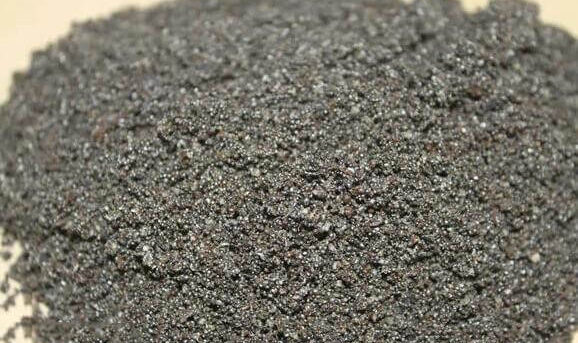
Slag, a byproduct of metal smelting and refining, can be used as a fertilizer in agriculture. The minerals in slag, such as iron, magnesium, and calcium, are beneficial to plants and can help to improve soil fertility. Additionally, slag is alkaline, which can help to neutralize acidic soils.

However, it’s important to note that slag can also contain harmful heavy metals, such as lead and cadmium, that can contaminate crops and be harmful to both human health and the environment. As a result, it’s important to test slag before using it in agriculture to ensure that it is safe and suitable for the intended purpose.

When used correctly, slag can be an effective and cost-effective fertilizer for farmers, but caution must be taken to avoid any potential negative effects on the environment and human health.

What is Horticultural Oil?

Horticultural

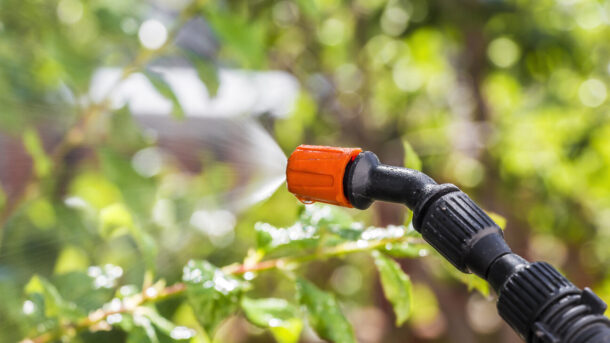
Horticultural oil is a type of petroleum-based or mineral oil that is used in horticulture and agriculture to control pests, diseases, and mites on plants. It works by smothering the insects and their eggs, and it can also help to control certain fungal diseases by removing the waxy surface layer of fungal spores, reducing their ability to spread. 

Horticultural oils are highly refined and are considered safe for use on plants, but care should be taken to follow the label instructions for dilution and application to avoid damaging the plants.

 What is Pastoral farming?

livestock affect

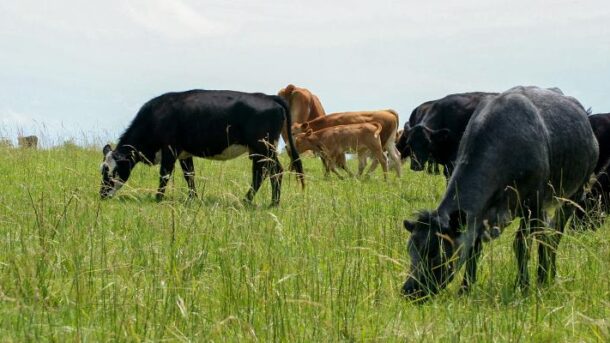
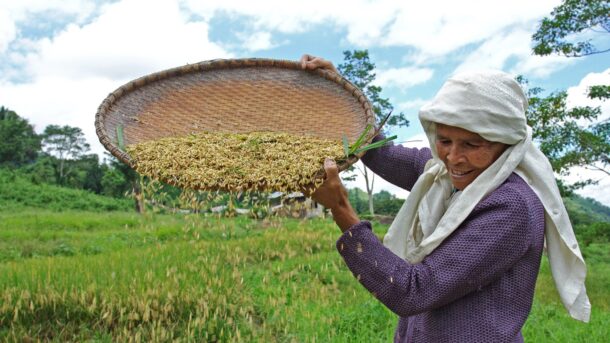
Pastoral farming is a type of agriculture that involves the raising of livestock, such as cattle, sheep, goats, and camels, for the purpose of producing meat, dairy products, wool, and other animal-derived goods. This type of farming is practiced in areas with large, open lands, such as grasslands, savannas, and deserts, where there is enough space to graze large herds of animals.

Pastoral farming is often associated with nomadic or semi-nomadic cultures, where people move their herds from one area to another in search of fresh grazing land and water. In many cases, pastoralists also engage in trade and other economic activities that complement their livestock production, such as the sale of animal products and the provision of transportation services using animals like camels.

Pastoral farming is an important part of the economy and culture of many countries, and plays a critical role in the livelihoods of millions of people around the world.

How can we reduce desertification?

Soil

Reducing desertification requires a multi-faceted approach that addresses both the natural and human causes of the problem. Some strategies that can help reduce desertification include:

  • Sustainable land use practices: This involves reducing human activities such as overgrazing, deforestation, and improper irrigation methods that can lead to soil degradation and loss of vegetation.
  • Water management: Improving water management practices, such as rainwater harvesting, can help to reduce soil erosion and increase water availability for vegetation.
  • Reforestation: Planting trees can help to prevent soil erosion, increase moisture levels in the soil, and provide habitat for wildlife.
  • Sustainable agriculture: Adopting sustainable agriculture practices, such as crop rotation, conservation tillage, and the use of drought-resistant crops, can help to reduce soil degradation and improve food security.
  • Fire management: Controlled burning can help to reduce the risk of wildfires, which can be a major cause of soil degradation and loss of vegetation in dryland areas.
  • Climate change mitigation: Addressing the underlying causes of climate change, such as reducing greenhouse gas emissions, can help to reduce the impacts of desertification by slowing down the rate of climate change and its impacts on the land.
  • Community involvement: Encouraging local communities to participate in efforts to reduce desertification can help to build support and increase the chances of success.

What is Desertification?

Dry land farming

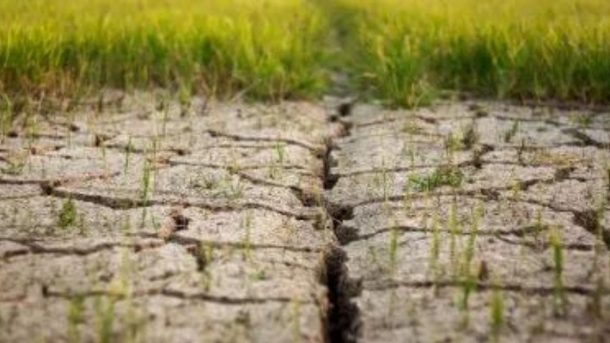
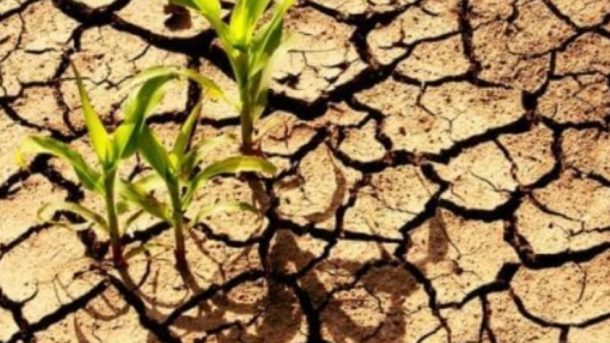
Desertification is the degradation of the land in arid, semi-arid, and dry sub-humid regions as a result of a variety of reasons, including climate variations, human activity, and improper management of natural resources. It has a negative impact on biological productivity, plant cover loss, soil erosion, and the quantity and quality of available water resources.
This may result in a decrease in the ability of the land to support both human and animal life, as well as serious social and economic issues for the neighborhood, especially for people whose livelihoods depend on agriculture and cattle.
The once-fertile land can sometimes become entirely dry and unable to support any life, as a result of the process of desertification.

What is the Sustainable food movement?

basil

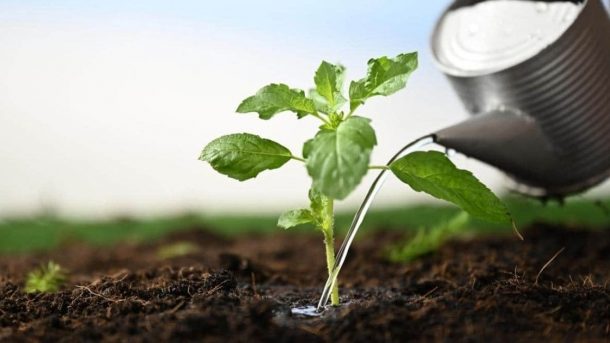
The sustainable food movement is a broad-based social and environmental movement that seeks to promote a more sustainable and equitable food system. This movement is rooted in the belief that the current dominant industrial food system is environmentally destructive, socially unjust, and nutritionally inadequate. It aims to promote alternative food systems that are based on principles of sustainability, equity, and health.

The sustainable food movement encompasses a wide range of practices, from urban and rural agriculture, to community-supported agriculture, to local and regional food systems, to organic and biodynamic farming. These practices aim to reduce the environmental footprint of agriculture, increase the nutritional value of food, and improve the livelihoods of farmers and food workers.

This movement often works to create alternative food networks that bypass the dominant industrial food system and provide direct connections between farmers and consumers. In short, the sustainable food movement is a response to the many challenges posed by the industrial food system and seeks to create a more sustainable, equitable, and healthful food future.

What is agro-ecological farming ?

agro-ecological farming

Agro-ecological farming is a type of agricultural production system that integrates the principles of ecology and sustainable agriculture with the aim of promoting food security, protecting the environment, and enhancing the livelihoods of farmers. 

It is based on the idea that a sustainable and productive agricultural system can be achieved by mimicking the natural processes of ecosystems. This is achieved by using a variety of practices, such as crop rotation, intercropping, agroforestry, and organic fertilization, among others, that maintain soil fertility, conserve biodiversity, and reduce the reliance on synthetic inputs like pesticides and fertilizers. 

Agro-ecological farming aims to promote resilience in the face of environmental and economic challenges, and supports the development of resilient food systems that benefit both farmers and consumers.

Treatment of four spotted fall armyworms in Sweet  corn.

armyworms

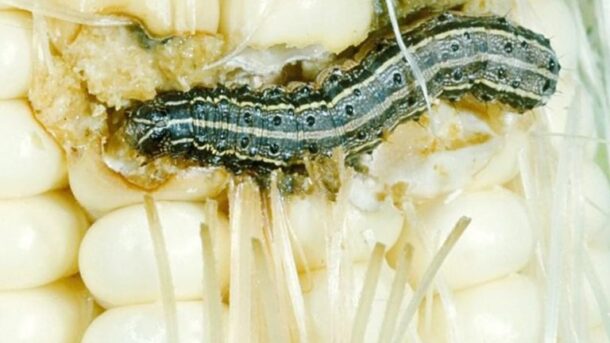
Control of Four-spotted Fall Armyworms can be achieved through a combination of cultural, biological, and chemical methods. Cultural methods include crop rotation, removal of crop residue, and planting of early-maturing varieties of maize..

  • Apply neem cake @ 250 kg/ha at the time of new sowing of the crop in soil. Install one light trap in the field. 
  • Do not take maize after maize crop. Follow crop rotation. 
  • Collect & destroy the egg masses mechanically. 
  • On initiation of the infestation, spray neem base formulation @ 40 ml (1500 ppm) to 10 ml (10000 ppm) per 10 liter of water.
  • On higher incidence, spray chlorpyriphos 20 EC 20 ml or spinosad 45 SC 3 ml or emamactin benzoate 5 SG @ 4 g or chlorantraniliprole 18.5 SC 3 ml per 10 liter of water. See that leaf whorl should be properly covered with spray.

In addition to these control measures, farmers can also take steps to prevent the spread of Four-spotted Fall Armyworms. This includes regularly scouting their fields, early detection and reporting of infestations, and avoiding the movement of infested plant material.

It is also important for farmers to be aware of the potential for insecticide resistance and to implement integrated pest management strategies to minimize the risk of resistance development.