POSTEDITOR OFFICE

How is the agricultural sector addressing the issue of biodiversity loss?

biodiversity loss

The agriculture industry is beginning to understand how crucial it is to address biodiversity loss and take action to lessen its effects. Here are some of the main strategies the agricultural industry is using to combat this problem:

Agroecology and Regenerative Farming: These farming methods encourage the fusion of agricultural productivity and biodiversity preservation. These strategies emphasize the use of different crop rotations, agroforestry systems, cover crops, and the preservation of natural habitats including wetlands, grasslands, and hedgerows in order to increase biodiversity within agricultural landscapes. Farmers can help conserve biodiversity by implementing these practices by establishing habitats that support pollinators, beneficial insects, birds, and other species.

Sustainable Land Management: Techniques for managing the land sustainably attempt to reduce the detrimental effects of agriculture on biodiversity loss. This covers methods to stop soil erosion and habitat degradation, such as conservation tillage, contour ploughing, terracing, and erosion control systems. These methods aid in the preservation of biodiversity and guarantee the long-term viability of agricultural land by minimizing soil erosion and upholding healthy ecosystems.
What are the recent advancements in hydroponics and vertical farming technologies?

hydroponics

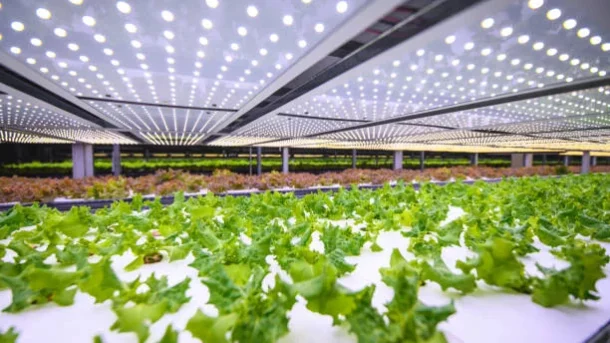
In recent years, hydroponics and vertical farming technologies have advanced quickly, revolutionizing the way plants are cultivated and opening up new opportunities for urban agriculture and agriculture in controlled environments. The following are some recent developments in these fields:

Growing plants in vertically stacked layers or structures, frequently indoors or in urban settings, is known as vertical farming. The following are developments in vertical farming:

a. Energy-saving LED lighting solutions have significantly increased the productivity and efficiency of vertical farms. Better yields and faster growth rates can be achieved using LED lights because they can be customized to deliver certain light spectra that are optimized for plant growth.

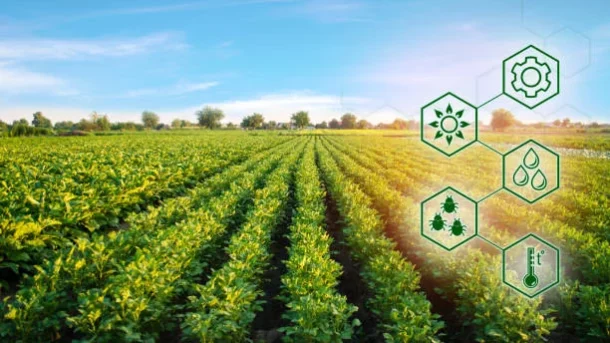
b. Automation and Robotics: Automated systems are utilized to track and manage a variety of vertical farm-related variables, such as temperature, humidity, and nutrient levels.

Hydroponics Innovations: Growing plants in nutrient-rich water solutions is a soil-free farming technique called hydroponics. Hydroponics has recently made the following strides:

a. Specialized nutrient formulations for various crops have been created as a result of a better understanding of the nutritional needs of plants. These compositions guarantee optimum plant development and nutrient availability, resulting in increased agricultural yields and enhanced crop quality.

b. Alternative Substrates: The roots of plants are supported by inert substrates such as perlite, rockwool, or coconut coir in conventional hydroponic systems. Alternatives like biochar, clay pellets, and recycled materials are being investigated, though, to lessen their negative effects on the environment and increase sustainability.

How are small-scale farmers and rural communities being supported and empowered?

rural communities

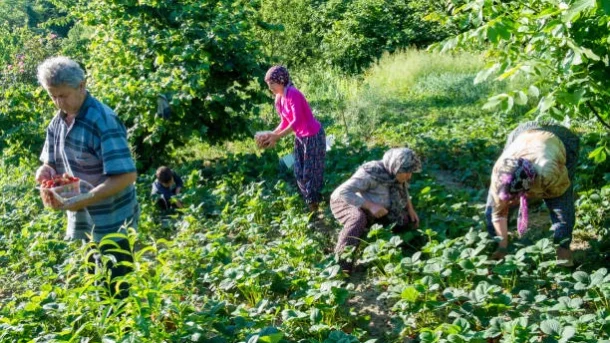
Through a variety of initiatives and methods aimed at upgrading their livelihoods, increasing their resilience, and promoting sustainable development, rural communities and small-scale farmers are being supported and given more influence. The following are some important ways that small-scale farmers and rural communities are supported:

Access to Finance and Credit: For small-scale farmers, a lack of access to finance and credit poses serious difficulties. Their access to low-cost loans, microcredit, and financial services is being improved. Agricultural loans, savings programmes, and insurance plans are just a few of the financial goods and services that financial institutions, government initiatives, and NGOs are offering specifically to meet the needs of small-scale farmers.
Capacity Building and Training: Building the capacity and skills of small-scale farmers is critical for their empowerment. Training programs and workshops are conducted to enhance their knowledge and skills in various areas, including sustainable farming practices, crop diversification, improved post-harvest handling, financial management, marketing, and entrepreneurship. These capacity-building initiatives equip farmers with the tools they need to improve their productivity, efficiency, and income.

Access to Market and Value Chain Integration: Small-scale farmers often face challenges in accessing markets, especially distant and higher-value markets. Initiatives are focused on improving their market access and facilitating their integration into value chains. This includes the establishment of farmer cooperatives, formation of producer associations, and strengthening linkages between farmers and buyers. Market information systems, contract farming arrangements, and direct marketing platforms help connect farmers with buyers and provide them with fair prices and market opportunities.

What are the implications of changing dietary patterns and consumer preferences on agriculture?

changing

Consumer tastes and changing food habits have a big impact on the agricultural industry. Here are some significant ramifications:

Demand Shift for Food Products: There is a change in the demand for various food products as dietary habits change. For instance, there is a rising demand for foods made from plants, such as plant-based meat alternatives, fruits, vegetables, and legumes. This change has an impact on the sorts of crops raised, methods used in raising livestock, and overall agricultural production systems.

Changes in food habits can have an impact on how land is used and how resources are distributed in agriculture. For instance, the growing demand for some crops may result in the need for more land to cultivate them. This may have an effect on deforestation, loss of biodiversity, and natural ecosystems. It also has an impact on how water, fertilizers, and other inputs are distributed to assist the production of favored food items.

Sustainability and Environmental Impact: Changing one’s diet can have both favorable and unfavorable effects on the environment. By switching to a more plant-based diet, one can lessen the effects of extensive cattle agriculture on greenhouse gas emissions, land degradation, and water use. If not managed responsibly, the rising demand for some crops could also result in an increase in pesticide use, nutrient runoff, and soil erosion. It is crucial.

How is the concept of circular economy being applied in the agricultural sector?

circular economy

The agricultural industry is rapidly using the idea of a circular economy to support sustainability, resource efficiency, and waste reduction. Here are some examples of how the circular economy’s ideas are being applied to agriculture:

Recycling Organic Waste: Agricultural systems produce a lot of organic waste, including food waste, animal manure, and crop residues. These wastes can be seen as useful resources rather than as a nuisance. Organic waste can be recycled and converted into nutrient-rich fertilizers, biogas for energy production, or animal feed through the use of bioconversion techniques like composting, anaerobic digestion, and other processes. This ends the nutrient cycle, lessens the demand for synthetic fertilizers, and minimizes greenhouse gas emissions.

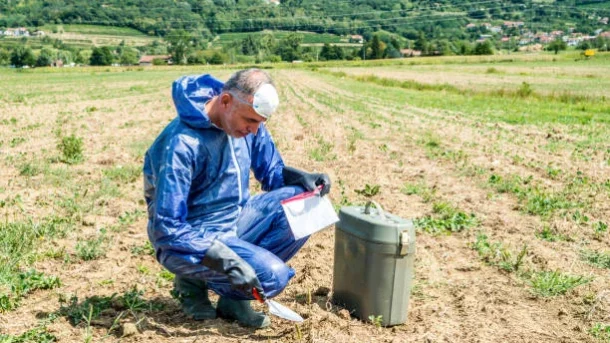
Precision agriculture technology, such as soil testing, remote sensing, and variable rate application systems, aid in the optimization of nutrient management in farming. Farmers can minimize excessive nutrient consumption, lower runoff and pollution, and increase nutrient uptake efficiency by carefully directing the application of fertilizers. This strategy stops nutrient loss, saves resources, and encourages long-term soil fertility.

Agriculture is a large user of water resources, hence water recycling and effective irrigation are important. Utilizing circular economy principles, water recycling technologies, such as rainwater collection and reuse, irrigation runoff treatment and reuse, and efficient irrigation techniques (such as drip irrigation), can help save water and lessen dependency on freshwater sources. This strategy reduces agricultural water waste and promotes the management of water resources, especially in areas with limited water supplies.

What are the efforts to promote What are the efforts to promote agroecology and regenerative farming practices?

promote

As cultures become more aware of the need for more environmentally friendly and sustainable agricultural systems, initiatives to promote agroecology and regenerative farming methods have gained traction. The following are important projects and campaigns to advance agroecology and regenerative farming:

The ideas and practices of agroecology are being taught to farmers, agricultural professionals, and students through the development of educational programmes, workshops, and training projects. These programmes place a strong emphasis on managing natural resources, conserving biodiversity, and preserving ecological connections. They offer useful information and abilities for applying agroecological practices on farms.

Farmer-to-Farmer information Exchange: Programmes that promote farmer-to-farmer information exchange enable farmers who practice agroecology to exchange experiences, best practices, and success stories. To encourage peer-to-peer learning and give farmers the opportunity to benefit from one another’s experiences, these initiatives frequently entail farm visits, workshops, and mentorship. Farmer networks and organizations are essential in promoting this kind of information exchange.

Research and Innovation: To produce scientific proof proving the efficacy of agroecological practices, research institutions and organizations are conducting studies and tests. The advantages of agroecology for the environment, agriculture, the economy, and society are examined in this study. Such research’s conclusions aid in filling information gaps, promoting acceptance, and informing policy development.

How are international collaborations and partnerships promoting agricultural research and knowledge sharing?

collaborations

International collaborations, partnerships and cooperation are essential for advancing agricultural research and knowledge exchange. They make it easier for nations, organizations, and stakeholders to share knowledge, skills, and resources. The following are some ways that multinational alliances and partnerships advance agricultural research and information transfer:

Research collaboration: To address shared agricultural concerns, international collaborations bring together researchers from various institutions and nations. These partnerships frequently involve shared data and resources, cooperative experiments, and joint research endeavors. Researchers can more successfully address complex agricultural problems and produce novel solutions by combining their knowledge and resources.

Building Capacity: International partnerships promote capacity building initiatives by offering instruction, workshops, and technical support. Knowledge transfer and skills from more advanced agricultural research organizations aid developing nations and emerging economies. These partnerships support the development of regional research capacities, the improvement of technical skills, and the promotion of a culture of innovation and scientific inquiry.

Sharing of Data and Information International partnerships make it easier to exchange data, information, and best practices in agriculture. Researchers and institutions can gain access to and share data sets, research findings, and technical knowledge through networks and collaborations. Sharing information facilitates evidence-based decision-making, prevents duplication of effort, and improves the effectiveness and quality of agricultural researches.

What are the current discussions on food labeling and consumer awareness?

discussions

Food labelling and consumer education are still hotly contested topics. The following are some of the main subjects and factors raised in these discussions:

Nutritional Information: Clearly displaying correct nutritional information on food labels is one area of concentration. In order to make this information more comprehensible and accessible to customers, there are discussions over the format and presentation of it. Key nutrients are being emphasized, portion amounts are being included, and added sugars or other potentially dangerous components are being indicated.

Allergen Labelling: An essential component of food safety is the appropriate labelling of allergies. Improvements to the labelling of common allergens, including nuts, gluten, soy, and dairy, are being discussed in order to assist those with allergies or intolerances in making educated decisions. There

Consumer demand for component transparency in food manufacturing has sparked discussions about ingredient labelling. The origins and sources of ingredients, as well as details on genetically modified organisms (GMOs), synthetic additives, and preservatives, are subjects of growing interest. The use of terminology like “natural,” “organic,” and “free-range” as well as their definitions and standards are discussed.

How are agricultural startups and ag-tech companies driving innovation in the sector?

agricultural startups

Access and Equity: In some areas, especially in rural areas or developing countries, access to high-quality agricultural education, agricultural startups and training may be restricted. The accessibility of educational opportunities may be hampered by a lack of financing, facilities, and resources. To encourage inclusivity and give chances for ambitious farmers and agricultural professionals from various backgrounds, it is essential to ensure fair access to agricultural education.

The increased adoption of technology in agriculture necessitates a workforce with the technical know-how to run and manage sophisticated farming systems. A difficulty in agricultural education, agricultural startups and training is bridging the technical skills gap and making sure that farmers and agricultural professionals are adept at using digital tools, data analysis, precision equipment, and other developing technology.

Changing Perceptions: Young people’s perceptions of agriculture as an antiquated or unattractive career path must be changed. To draw in fresh talent, agriculture education, agricultural startups and training programmes must emphasize the sector’s contemporary, diversified, and creative features. Promoting sustainability, entrepreneurship, and the possibility of influential jobs in agriculture might help alter attitudes and motivate more young people to seek agricultural careers.

What are the challenges and opportunities in agricultural education and training?

training

In order to guarantee a trained and knowledgeable workforce in the agricultural industry, agricultural education and training face both problems and opportunities. The following are some major difficulties and chances:

Industry Changes: The agricultural sector is changing quickly as a result of advancing technology, climatic changes, and changed consumer preferences. It might be difficult to keep agricultural education and training programmes current with these changes. There is a need to incorporate cutting-edge subjects like precision agriculture, sustainable farming methods, and digital technology into curriculum while also regularly updating them.

Resources are scarce: Many areas, particularly those in developing nations, face shortages of funds, infrastructure, and competent teachers. The effectiveness and accessibility of agricultural education and training are hampered by a lack of resources.

bridging the gap between urban and rural areas: There is frequently a mismatch between metropolitan residents, who might not completely understand or appreciate the value of agriculture, and rural communities, where agriculture plays a key role. It is difficult to bridge this gap and advance agricultural education in both contexts.