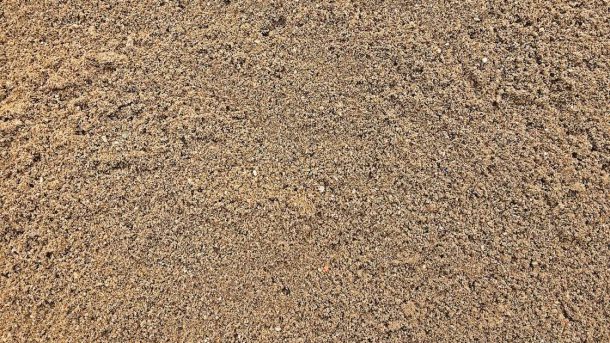
Sandy soils are characterized by less than 18% clay and more than 68% sand in the first 100 cm of the solum. Sandy soils are characterized by a lack of structure or that it is weakly developed. Sandy soils are often dry, nutrient deficient and fast-draining. They have little (or no) ability to transport water from deeper layers through capillary transport. Therefore, tillage of sandy soils in the spring should be kept to a minimum in order to retain moisture in the seedbed. The nutrient- and water-holding capacity of sand soils can be improved through adding organic material.
What are the disadvantages of use of chemical fertilizers ?
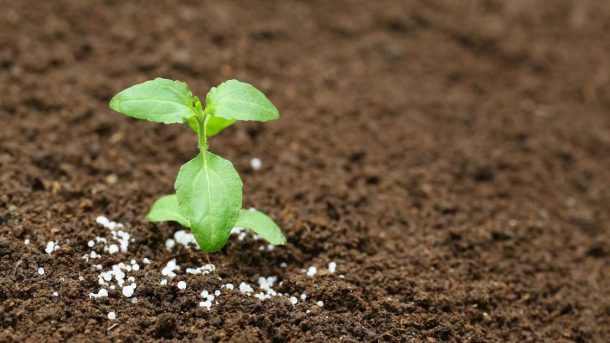
Over application of chemical fertilizers usually results in economic and environmental losses. Plant tissues becomes soft and vulnerable to diseases and pathogen due to overuse of chemical fertilizers. Increased rate of soil organic matter decomposition resulting in soil degradation might happen because of use of chemical fertilizers . Major drawback is loss of nutrients that are applied through different chemical reactions. Use of nitrogen fertilizers in an excess amount resulted in release of green house gases such as carbon dioxide and nitrous oxide in the atmosphere. When chemical fertilizers are used for a long duration , the trace nutrients present in the soil gets depleted and soil gets damaged.
How to improve soil organic matter?
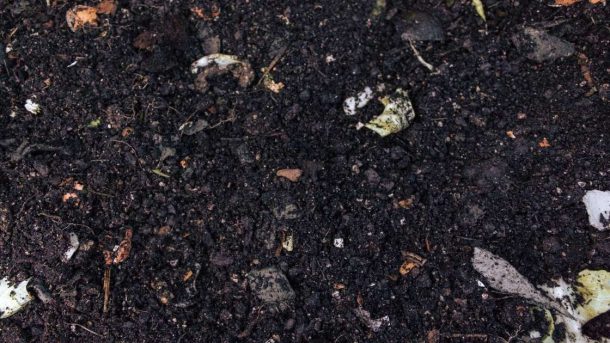
There are various methods to improve soil organic matter . This can be achieved by recycling the crop residue back to field without wasting and burning, by applying compost , by applying various organic manures, by mulching organic wastes, by using green manures and cover crops, by practicing suitable crop rotation, by reducing soil tillage and by avoiding soil erosion.
What are the advantages of furrow irrigation ?
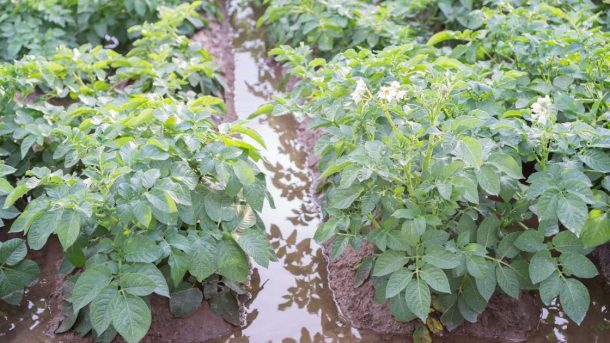
Furrow irrigation is suitable for row crops and vegetables and also suitable for soils in which the infiltration rates vary between 0.5 and 2.5 cm/hr. This type of irrigation is suitable for slopes varying from 0.2 to 0.5 per cent and when the stream size is 1-2 liters/sec. Furrows are very effective in areas requiring surface drainage or prone to temporary water logging. The practice of alternate or skip furrow irrigation can save considerable quantity of water without significantly affecting yields in areas where water for irrigation purposes is scarce.
How post-harvest management is done in mangoes?
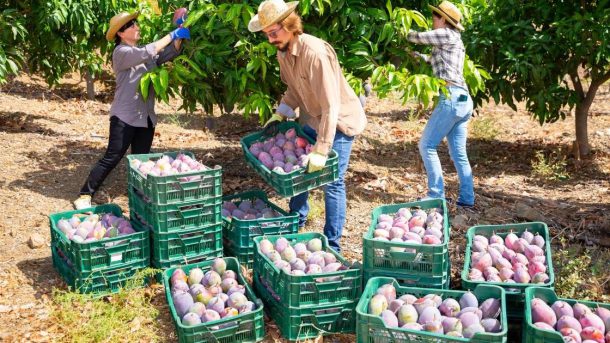
Fruits are graded according to their size, weight, colour and maturity after harvest. Packaging of fruits should be done in corrugated fiberboard (CFB) boxes. Tissue paper and polythene foam paper are used for wrapping high-value fresh mangoes. Polyethylene lining has been found beneficial as it maintains humidity, which results in lesser shrinkage during storage. Dashahari treated with calcium chloride solution (4%) at sub-atmospheric pressure of 500 mm Hg
for 5 minutes can be stored at 12 degree C for 27 days.
What is the principle of soil sampling?
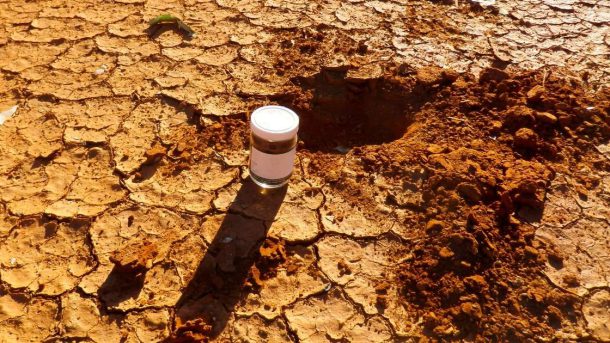
Soil testing is a significant part of soil resource management. Each sample collected act as representative of the area being sampled. Utility of the results obtained from the laboratory analysis depends on the sampling precision. In order to obtain sample of desired size by sub-sampling collection of large number of samples is advisable. Sampling is done at the rate of one sample for every two hectare area in general. For a maximum area of five hectares at-least one sample should be collected . Samples are collected from a soil profile representative to the soil of the surrounding area for soil survey work .
What is necrosis in plants?
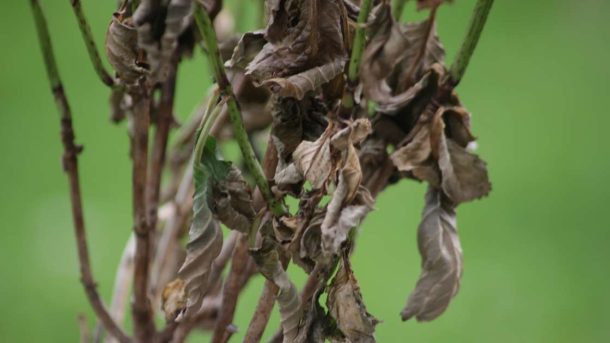
Necrosis are death of plant tissues, particularly leaf tissue is caused by deficiency of K, Ca, Mg. Necrosis usually occurs in a specific area, like leaves, roots or stems. Often associated with bacteria, viruses, fungi or parasitic insects, necrosis can also be caused by watering plants too much or too little, lack of nutrients or improper amounts of sunlight. Conditions leading to necrosis depend on the plant species, as tolerances to diseases and requirements for sunlight, water and nutrients vary widely across the plant kingdom. Resulting from the death of plant cells, usually turns the dying plant parts brown or black. Often beginning at the tips of leaves, ends of roots or stems, necrosis spreads from those points if the cause of the tissue death is not addressed. Necrosis can also affect plant flowers and fruits, which may result in the complete loss of the crop if the issue is not solved.
What are the symptoms of phosphorous deficiency ?

Symptoms of phosphorus deficiency include stunted appearance of plant, characteristic dark to blue-green discoloration of matured leaves , and restricted root development. In acute deficiency, occasional purpling of leaves and stems and spindly growth can be observed. Delayed maturity and poor seed and fruit development also occurs due to phosphorus deficiency.
How to correct acidic soil ?

Soil acidity can be corrected easily by liming the soil, or adding basic materials to neutralize the acid present. The most commonly used liming material is agricultural limestone, the most economical and relatively easy to manage source. The limestone is not very water-soluble, making it easy to handle. Limestone acts as a soil acid neutralizer and consists of either calcium and magnesium carbonate or calcium carbonate. These are called dolomitic limestone and calcitic limestone respectively. Adding organic matter to the soil helps in balancing soil pH.
What is the use of a tractor mounted sprayer?
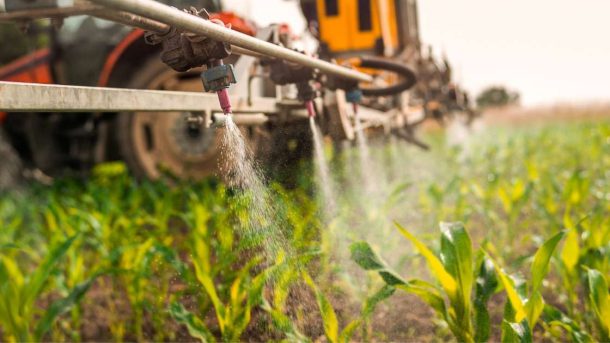
These are hydraulic energy sprayers. They utilize PTO power of the tractor to operate the pump of the sprayer. Basically the spray boom can be arranged in two ways; ground spray boom and overhead spray boom. The overhead spray boom is designed for tall field crops and the planting is done in such a way that it leaves an unplanted strip of about 2.5 m width for operation of the tractor. Therefore a planted strip may be 18-20 m wide and after every planted strip fallow strip has to be left for tractor operation. For ground spray boom the planting has to be done in rows keeping in view track width of the tractor. It is suitable for use when the crop is small.