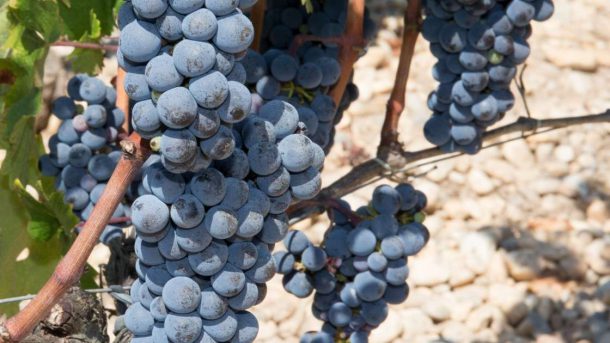
Grafting is usually done in the months of August and September. During this time, scion material will also be available in the surrounding area, which will save time. High temperature and relative humidity occur in the atmosphere during the grafting period, and the stock plants will also be in the sap flow state, which is a primary need for successful grafting in the field. Temperatures of over 350°C and relative humidity of over 80%, together with the grafter’s competence, aid in the successful grafting of plants in the field.
What is the use of a paddy weeder?
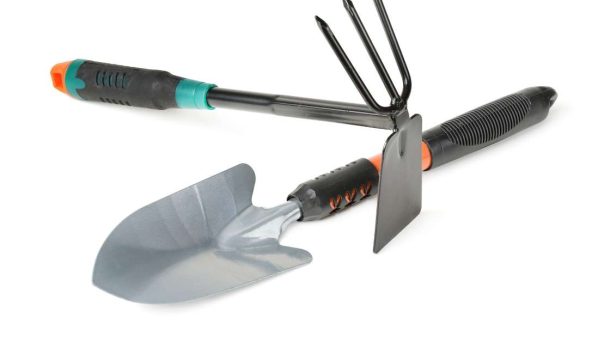
Paddy weeder does the weeding operation when the seedlings are transplanted in rows. The implement has an inclined long handle. At the fool of it two conical cylinders with serrated lugs on its periphery are fixed. These two conical serrated cylinders can rotate freely about it axis and placed in opposite sides. A steel plate has been into the loose soil and assists in easy operations. In operation, the see rated lugs cut and burry the weeds and some of the weeds are wound on the surface of the cylinders, which can be removed manually.
What are Genetically modified organisms(GMO) and Genetically Modified Food ?
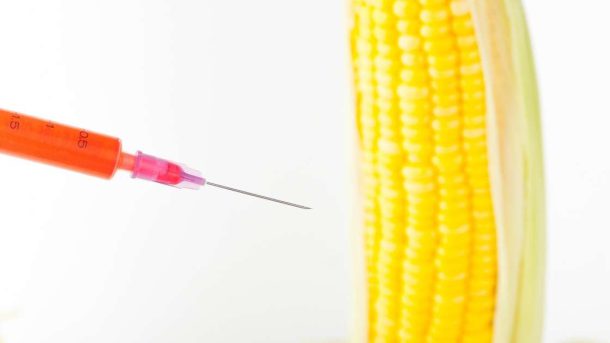
GMOs are organisms (plants, animals, or microbes) whose genetic material (DNA) has been altered in a way that does not occur normally through mating and/or natural recombination. “Modern biotechnology” or “gene technology” are common terms for the technology, which is also known as “recombinant DNA technology” or “genetic engineering.” It enables for the transfer of specific genes from one organism to another, as well as between unrelated species. GM foods are foods that are made with or from genetically modified organisms.
How seed treatment is done in soyabean ?
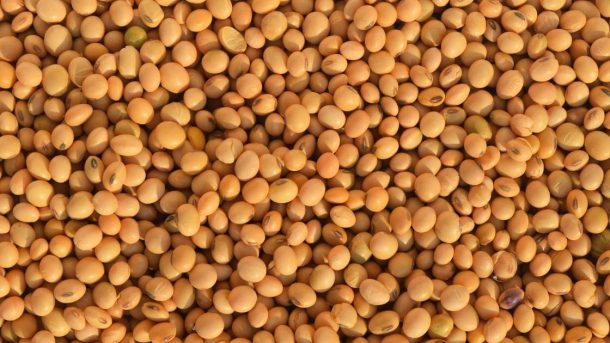
In soyabean seed treatment is done using fungicides. Biocontrol agents are compatible with biofertilizers. First treat the seeds with biocontrol agents and then with Rhizobium. Fungicides and biocontrol agents are incompatible. Treat the seeds with Carbendezim or Thiram @ 2g/kg of seed 24hrs before sowing or with talc formulation of Trichoderma viride @ 4 g/kg seed (or) Pseudomonas fluorescens @ 10 g/kg seed. Coat the seeds with ZnSO4 @ 300 mg/kg using 10% maida solution as adhesive (250 ml/ kg) or gruel and arappu leaf powder (250 g/kg) as carrier to increase the field stand.
What is rotational irrigation ?
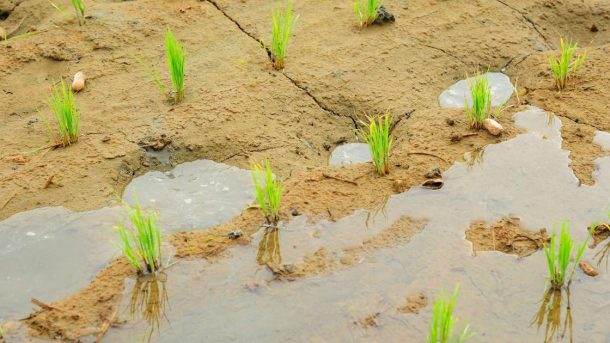
Rotational irrigation is the application of required quantity of irrigation water at regular interval such that there may not be any standing water in field between two irrigations. Irrigation interval is adjusted in such a way that the crop will not experience water deficits at any period. It is usually followed at time of deficit water supplies. Major advantage of rotational irrigation is possibly the more effective use of rainfall.
Which are the critical stages of irrigation for rice ?
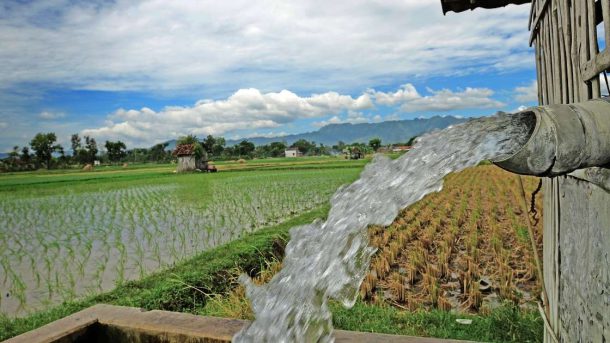
The critical stage of water requirement refers to the point at which water stress produces substantial yield decrease. It’s also referred to as the moisture-sensitive phase. Critical stages of water requirement in rice are active tillering, panicle initiation, booting, heading and flowering. During theses stages, the irrigation interval should not exceed the stipulated time so as to cause the depletion of moisture below the saturation level.
What is harrowing and what is its purpose?
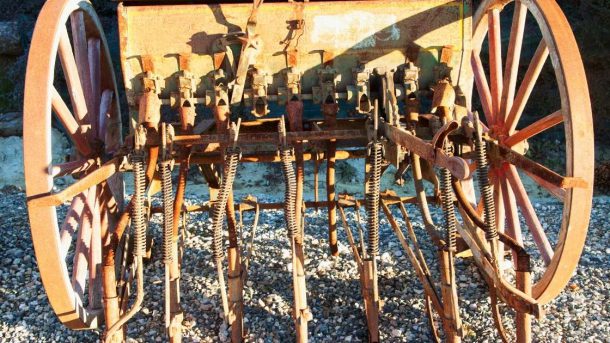
Harrowing is a shallow-depth secondary tillage activity for smoothing and pulverising the soil, as well as cutting weeds and mixing materials with the soil. Soil of the seedbeds are pulverized by harrowing. Harrowing is done to destroy grasses and seeds in the field , to cut crop residues and mix them with top soil of the field, and to break the big clods and to make the field surface uniform and levelled. Harrowing is carried out when the moisture content of the clods are reduced.
What is Laser Land Levelling ?
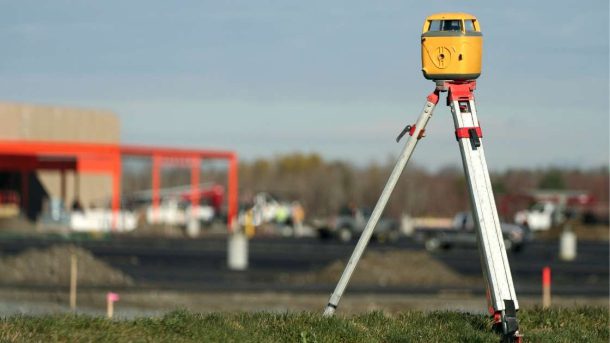
Laser land levelling involves utilising a directed laser beam to level the field within a specified degree of desired slope. The germination, stand, and yield of crops are all affected by the unevenness of the soil surface. Farmers are aware of this and dedicate significant effort and energy to properly levelling their fields. Traditional land levelling procedures, on the other hand, are inconvenient, time-consuming, and costly. Laser land levelling helps to increase the efficiency of nutrient utilisation and helps in better water distribution and conservation.
What are the benefits of neem ?
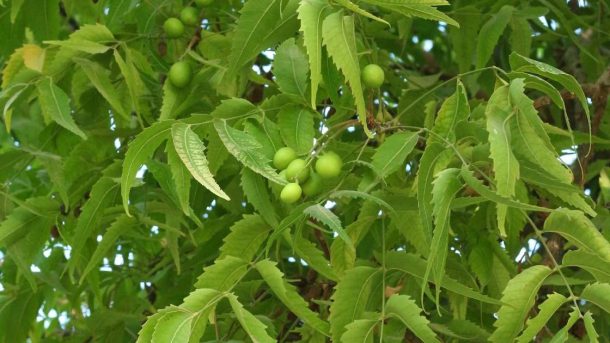
Neem is a member of the mahogany family, Meliaceae. Azadirachta indica is the botanical name for it today. It is a widely used medicinal herb in Indian home medicines. It is well-known for its natural ability to repel pests ranging from mosquitoes to termites, which is made possible in part by the presence of the chemical component Azadirachtin, a naturally occurring pest repellant. Neem oil is made by cold-pressing neem tree kernels in their finest form. The seeds and leaves generate the most oil, although any part of the plant can be used. After the oil from Neem kernels is extracted, the residue that is devoid of oil is known as Neem Cake. NPK (or nitrogen-phosphorus-potassium), as well as nortriterpenoids and isoprenoids, are found in this seed kernel and these nutrients are nematicidal in nature.
How to control pink bollworm in cotton ?
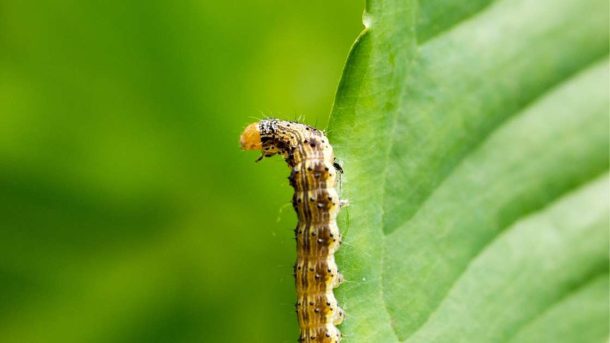
The pink bollworm has developed resistance to first-generation transgenic Bt cotton (Bollgard cotton) that expresses a single Bt gene in portions of India (Cry1Ac). In portions of Gujarat, India, Monsanto has conceded that this cultivar is inefficient against the pink bollworm pest. Insecticides are used to control infestations on vulnerable cotton. Once a crop has been harvested, the field is ploughed under as soon as possible to break the bollworm’s life cycle. The larvae are found in unharvested bolls, thus they are eliminated. To drown out any lingering bugs, the plants are ploughed into the ground and the fields are liberally irrigated. After harvest, some farmers burn the stubble. Bollworms that survive the winter in the field will re-infest the following season. Mating disruption, pesticides, and the release of sterile males that mate with females but do not fertilise their eggs are also used to manage bollworm populations.