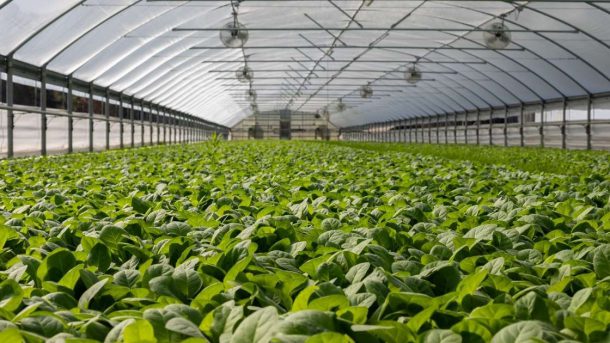
Greenhouses are constructions using transparent to translucent materials such as LDPE, FRP, and Polycarbonate sheets that enable solar radiation to flow through while trapping the thermal radiation emitted by the items inside. This produces an ideal growing environment for plants. During the day, the energy received from the sun is transformed to heat within the greenhouse and used to evaporate water during normal plant transpiration. Light, heat, CO2, and moisture, all of which influence plant growth, might be managed in these buildings. The results of the plant cultivated in these greenhouses imply that this could be a viable technology for small and marginal farmers because it produces a considerably greater yield and allows for the production of off-season crops such as vegetables.
What is apiculture ?
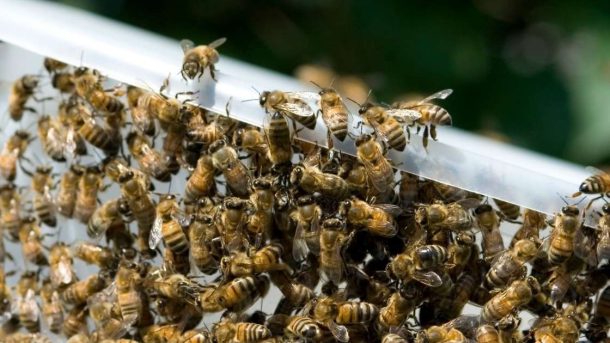
Beekeeping (or apiculture) is the practice of people keeping bee colonies, usually in man-made hives. Honey bees of the genus Apis are the most common, however other honey-producing bees like Melipona stingless bees are also kept. A beekeeper (also known as an apiarist) keeps bees to collect honey and other products produced by the hive (such as beeswax, propolis, flower pollen, bee pollen, and royal jelly), fertilise crops, or create bees for sale to other beekeepers. An apiary, sometimes known as a “bee yard,” is a place where bees are kept.
What is climate-smart agriculture ?
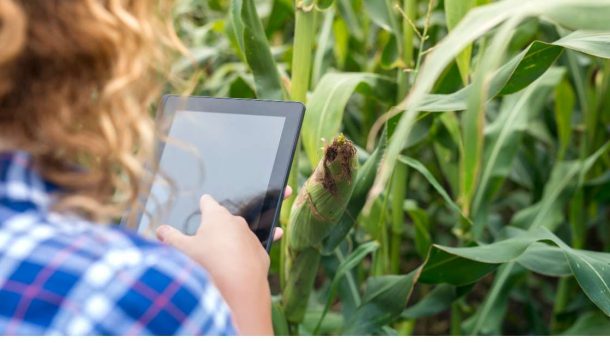
Climate-smart agriculture (CSA) is a method of restructuring and reorienting agricultural production systems and food value chains to promote long-term development and food security in the face of climate change. The climate-smart agriculture method aims to decrease trade-offs and create synergies in order to increase the productivity and sustainability of crop and livestock systems, forests, fisheries, and aquaculture. Climate-smart agriculture is neither a new system nor a collection of methods. It’s a new way of looking at growth paths that can make agriculture more productive and sustainable, as well as better suited to contribute to climate change adaptation and mitigation.
What are the advantages of hydroponics ?
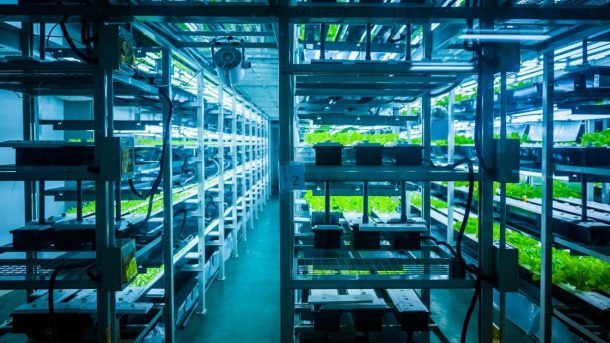
The increased control over growing conditions in hydroponics makes it easier to provide the best possible environment for plant, leading to better quality produce and high yield. Because the plant does not have to compete for moisture and nutrients, hydroponic productivity can be enhanced by about two times when compared to soil cultivation in a comparable area with proper care. During the changing seasons, a hydroponics garden can feed plants with the best quality nutrients. This will allow for maximum growth to be realised. Because land is not required, a tiny hydroponics garden can be grown up practically anywhere, including upstairs balconies, open areas, and sheltered structures. In general, hydroponics food tastes better and has a higher nutritional value than conventionally grown crop. .
What are hydroponics?
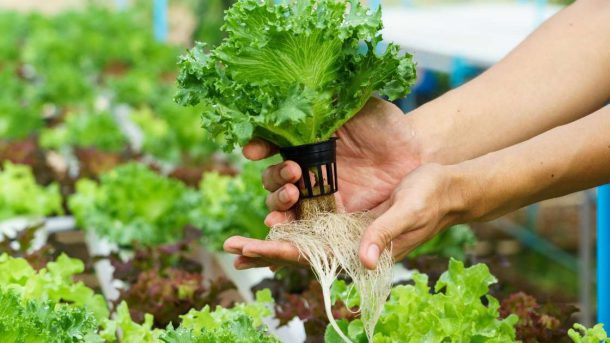
Hydroponics is a simple technique that involves growing plants in water rather than soil. Hydroculture is a subset of it. Water is dissolved in mineral nutrient solutions. Only the roots of terrestrial plants are exposed to the nutritious liquid, or the roots are physically supported by an inert media such as perlite or gravel. Julius von Sachs and Wilhelm Knop developed the first standard recipe for plant-growing fertiliser solutions dissolved in water. This is where the term “nutriculture” came from. It is now known as Water Culture. The roots of the plants were completely immersed in a water solution containing nitrogen (N), phosphorus (P), potassium (K), magnesium (Mg), sulphur (S), and calcium (Ca) minerals (Ca). They are now known as macronutrients or macroelements (elements required in relatively large amounts).
How grafting is done in grape vines ?
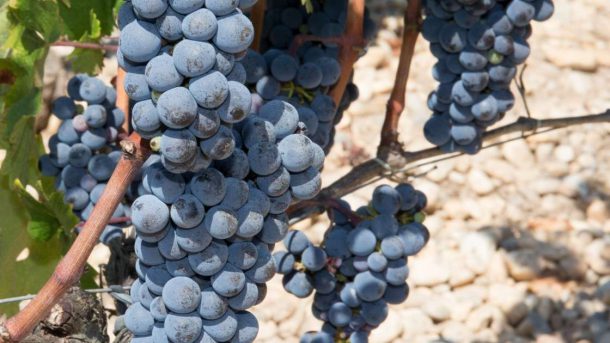
Grafting is usually done in the months of August and September. During this time, scion material will also be available in the surrounding area, which will save time. High temperature and relative humidity occur in the atmosphere during the grafting period, and the stock plants will also be in the sap flow state, which is a primary need for successful grafting in the field. Temperatures of over 350°C and relative humidity of over 80%, together with the grafter’s competence, aid in the successful grafting of plants in the field.
What is the use of a paddy weeder?
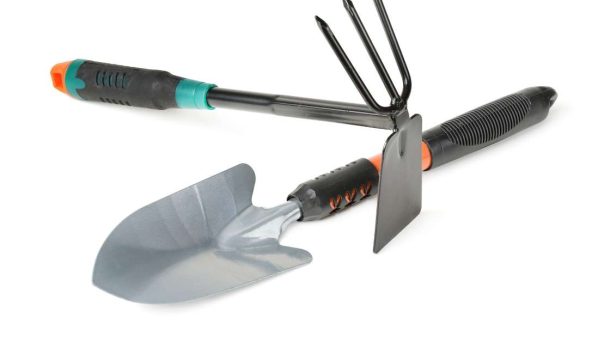
Paddy weeder does the weeding operation when the seedlings are transplanted in rows. The implement has an inclined long handle. At the fool of it two conical cylinders with serrated lugs on its periphery are fixed. These two conical serrated cylinders can rotate freely about it axis and placed in opposite sides. A steel plate has been into the loose soil and assists in easy operations. In operation, the see rated lugs cut and burry the weeds and some of the weeds are wound on the surface of the cylinders, which can be removed manually.
What are Genetically modified organisms(GMO) and Genetically Modified Food ?
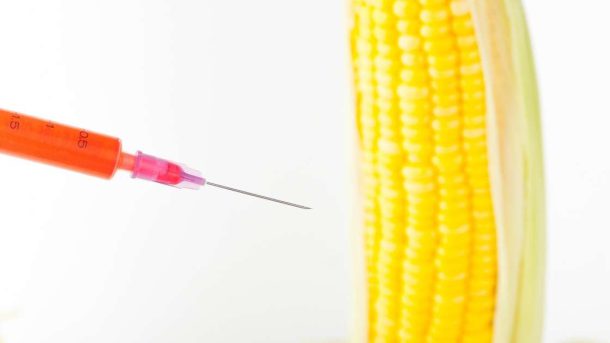
GMOs are organisms (plants, animals, or microbes) whose genetic material (DNA) has been altered in a way that does not occur normally through mating and/or natural recombination. “Modern biotechnology” or “gene technology” are common terms for the technology, which is also known as “recombinant DNA technology” or “genetic engineering.” It enables for the transfer of specific genes from one organism to another, as well as between unrelated species. GM foods are foods that are made with or from genetically modified organisms.
How seed treatment is done in soyabean ?
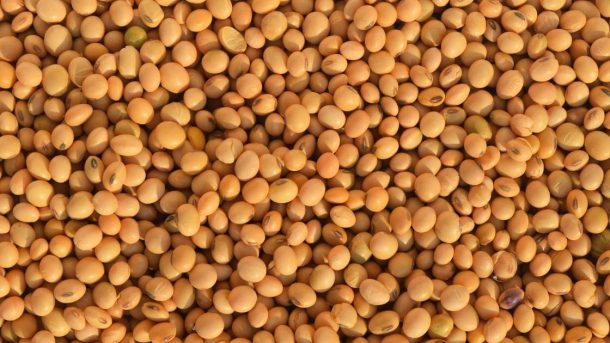
In soyabean seed treatment is done using fungicides. Biocontrol agents are compatible with biofertilizers. First treat the seeds with biocontrol agents and then with Rhizobium. Fungicides and biocontrol agents are incompatible. Treat the seeds with Carbendezim or Thiram @ 2g/kg of seed 24hrs before sowing or with talc formulation of Trichoderma viride @ 4 g/kg seed (or) Pseudomonas fluorescens @ 10 g/kg seed. Coat the seeds with ZnSO4 @ 300 mg/kg using 10% maida solution as adhesive (250 ml/ kg) or gruel and arappu leaf powder (250 g/kg) as carrier to increase the field stand.
What is rotational irrigation ?
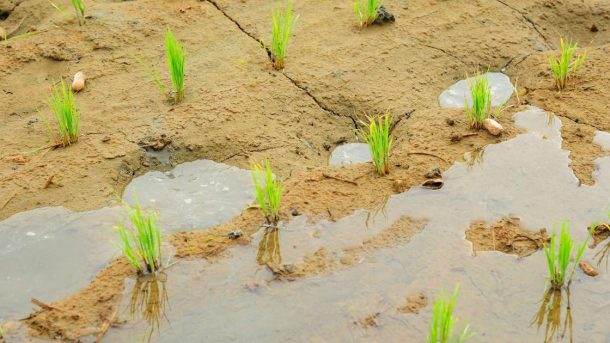
Rotational irrigation is the application of required quantity of irrigation water at regular interval such that there may not be any standing water in field between two irrigations. Irrigation interval is adjusted in such a way that the crop will not experience water deficits at any period. It is usually followed at time of deficit water supplies. Major advantage of rotational irrigation is possibly the more effective use of rainfall.