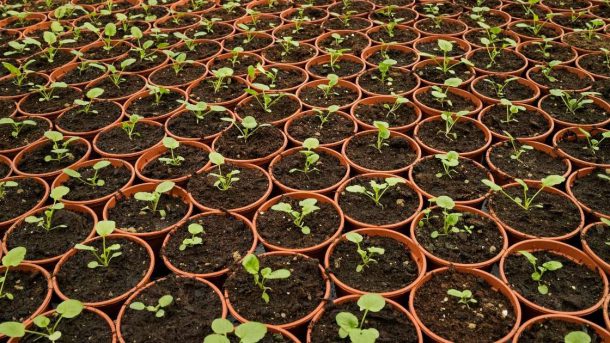
It is possible to provide favourable growth conditions i.e. germination as well as growth. Better care of younger plants as it is easy to look after nursery in small area against pathogenic infection pest and weed. Crop grown by nursery raising is quite early and fetch higher price in the market. So economically more profitable. There is saving of land and labour as main field will be occupied by the crop for lesser duration. Hence intensive crop rotation can be followed. More time is available for the preparation of main field because nursery is grown separately. As vegetable seeds are very expensive, particularly hybrids, seed cost can be economized by sowing them in the nursery.
What are the characteristics of Kamrupa?
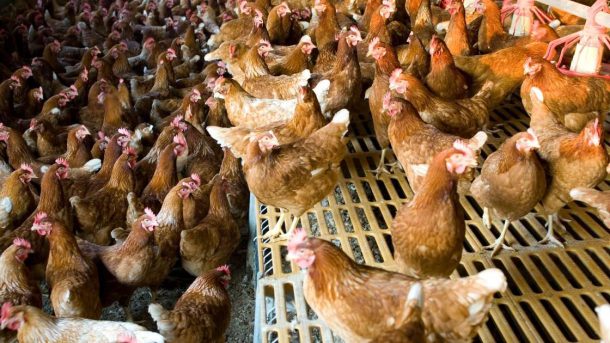
“Kamrupa” is a multi-colored bird for rural chicken production developed at Assam Agriculture University. It is a three- way cross produced using the population of Assam local ecotype (25 percent), Coloured Broiler (25 percent), and Dalhem Red (50 percent). Colored plumage, a medium body weight, and longer shanks with optimal egg production characterise this variety. The body weight at 8 and 20 weeks under the backyard system is 500-650 grammes and 1300-1500 grammes, respectively.
How to control bud borer in carnation ?
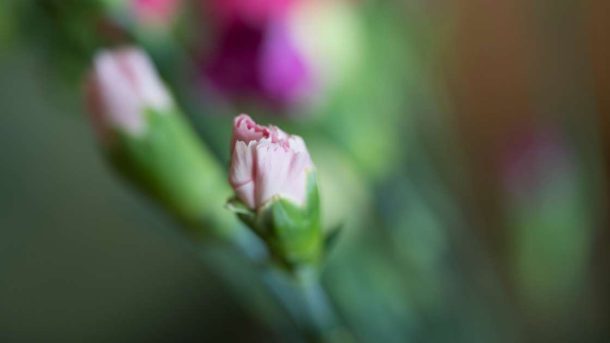
Collection and destruction of larvae reduces further infestation. Spray quinalphos 25 EC @ 2ml/l or methyl parathion 50 EC @ 1 ml/l or endosulphan 35 EC @ 2 ml/l at 15 days interval. Spray indoxacarb 14.5 SC @ 1 ml/l or thiodicarb 75 WP @ 1g/l if the incidence is severe. Spraying of of HaNPV (Helicoverpa armigera Nuclear Polyhedrosis Virus) @ 250 LE/ha followed by neem formulations1-2 ml/l or neem seed kernel extract 40g/l.
What are the symptoms of vascular wilt in carnation ?
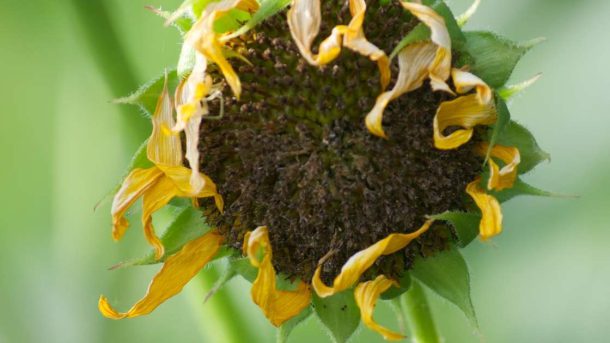
Plants may be attacked at any stage; young plants can suddenly dry up or older plants might develop a pale green color accompanied by wilting of lower leaves. Infected plants first develop a dull green color, eventually wilt and turn straw-color. Symptoms often appear on one section of the plant. This is typically followed by broad wilting and the death of the entire plant. Plants may wilt in the middle of the day when the temperature is high in the early stages of infection and appear to recover at night. Some plants may not display symptoms of infection until they reach flowering, at which point they collapse. When the stem is severed, the vascular tissues may develop a brown tint or streaking.
What are the advantages of zero till sowing of wheat ?
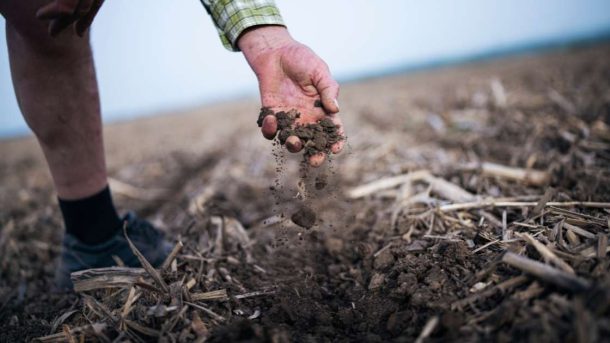
When compared to traditional wheat planting, zero till sowing might save 68 percent of time and 85 percent of the cost of operation. The zero-till drill was more efficient since the crop could be sown over a larger area in a shorter amount of time when moisture was available. The cost of a zero till drill is between Rs.45,000 and Rs.60,000. Two days earlier than usual, with more uniform germination and a better plant stand.
What is DSR ?
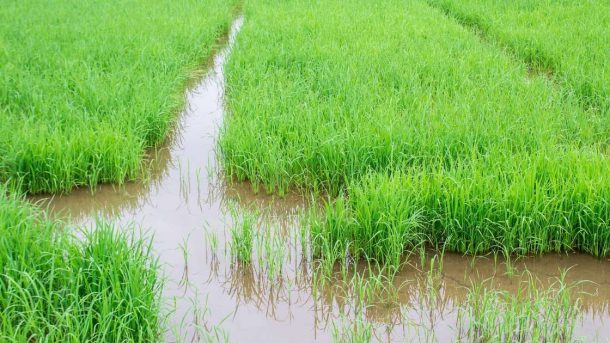
DSR is direct seeded rice. The nursery for transplantation is not raised in direct seeded rice (DSR) farming. In the event of a monsoon delay or a water constraint, DSR allows the farmer to direct sow paddy with a suitable duration variety to fit into the remaining season. This enables for the seeding of rabi wheat in a timely manner. When compared to transplanted flooded rice, direct sown rice uses less water. When compared to transplanted rice, the energy requirement for pumping irrigation water is also lower, and savings can be significantly higher during periods of low rainfall.
What is pre-drying?
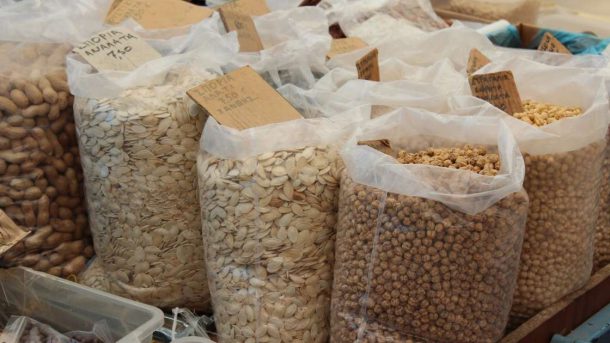
The stage of the post-harvest system during which the harvested product is dried in order to undergo the next operation of threshing in the best possible conditions is referred to as “pre-drying.”The cut areas of the plant may include too much green plant debris during harvest time, and all of the grains may not have reached a uniform degree of maturity or have a moisture level that is too high. This necessitates pre-drying.
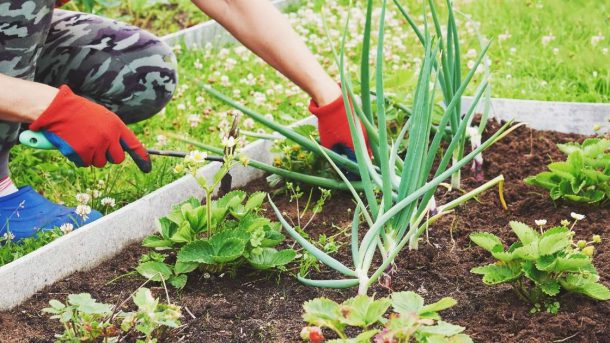
Given the importance of vegetables, the concept of growing our own vegetables in our backyards utilising abundant fresh water and a kitchen has evolved. This will only aid in the successful creation of our own vegetables requirements.
Cultivation in a small area facilitates pest and disease control measures by removing infected areas and avoiding the use of pesticides. This is a safe procedure that does not result in hazardous pesticide residues in the vegetables grown.
What are the uses of silver hydrogen peroxide?

Silver hydrogen peroxide provides high efficacy in killing of microorganisms in all possible media applications of air, water, surface, and soil. It works as an antibiotic, fungicide, virucide, amoebicide, and algaecide against a wide variety of microorganisms. The hazardous pesticidal residues are removed after harvesting using silver hydrogen peroxide.
Powdery mildew, downy mildew, botrytis blight, anthracnose, bacterial leaf spots and cankers, as well as pests such as worms and mites, are all well-known among farmers, and using silver hydrogen peroxide for a comprehensive field sanitation eliminates them.
What is chawki rearing in sericulture ?
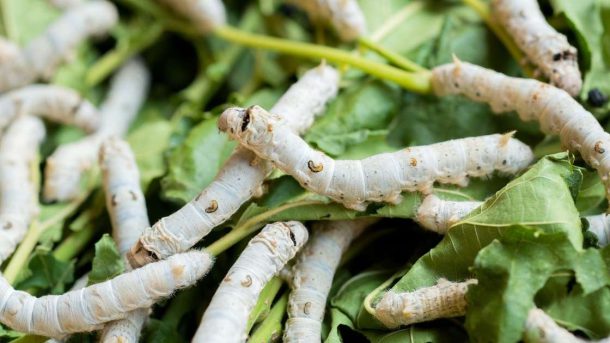
Chawki means the first two stages of silkworm rearing. If the chawki worms are not reared properly, the later stages will result in crop losses. Hence, chawki is the most crucial period of silkworm rearing that demands optimum temperature and humidity, hygienic conditions, quality tender leaf, good rearing facilities and above all technical skills.