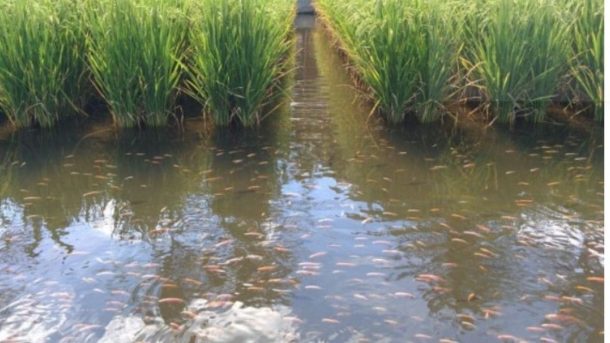
Paddy cum fish culture helps in the economic utilization of land. It helps to improve soil fertility & soil health. Enhanced rice yield by 5-15%, which is due to the indirect organic fertilization through the fish excreta.
Production of fish from paddy field which is the other way of additional income. Insect pests of rice like stem borers are controlled by fish feeding on them mainly by murrel and catfishes.
Cost of production will get decreased due to less usage of fertilizers and pesticides.
What is the invasive pest in chilli affecting the crop?
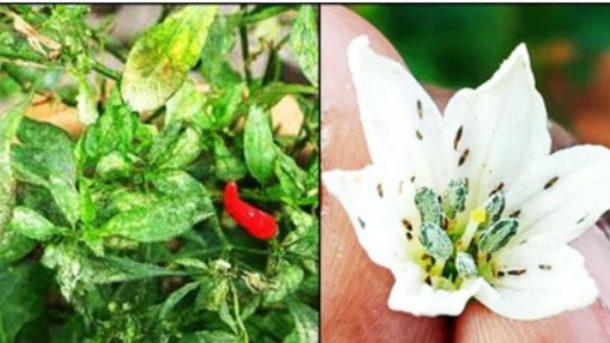
Thrips Parvispinus, an invasive insect from Indonesia first seen in 2015, has spread rapidly, affecting chilli crop in nearly 9 lakh acres in Telangana and Andhra Pradesh. All the places where chilli is grown is infested by this species. The infestation is so severe that we found 20-25 insects on each bud or flower.
“Due to excessive use of pesticides, the insect has developed resistance. It has spread to vegetable crops, including drumstick trees also, and has been seen on cotton plants at some places. The quality and yield of chilli crop will be affected this season. Farmers in Warangal and Khammam in Telangana, and in Guntur, Prakasam and Anantapur in Andhra Pradesh have uprooted the infested crop and sown alternative crops such as Bengal gram. It can be managed by the use of neem oil and neem cakes.
What is Farm Automation?
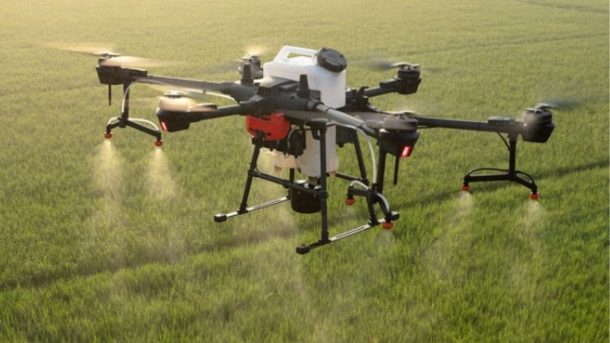
Farm automation, often associated with “smart farming”, is technology that makes farms more efficient and automates the crop or livestock production cycle. An increasing number of companies are working on robotics innovation to develop drones, autonomous tractors, robotic harvesters, automatic watering, and seeding robots. Although these technologies are fairly new, the industry has seen an increasing number of traditional agriculture companies adopt farm automation into their processes.
How seed treatment is done in Bengal gram ?
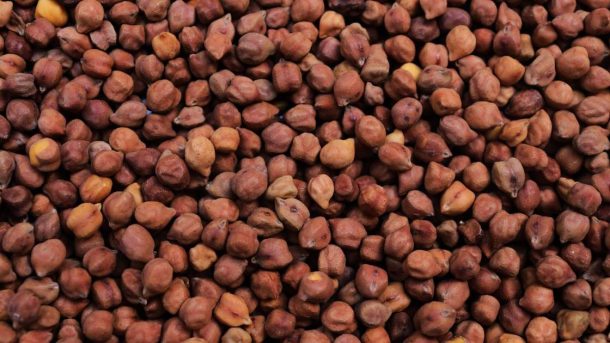
Treat the seeds with one package of Phospho bacteria Rhizobial Culture. Apply 10 packets of Rhizobium (2 kg/ha). Apply 10 packets of Phosphobacteria (2 kg) with 25 kg of FYM and 25 kg of soil before sowing if seed treatment is not done. Before sowing, dry the biofertilizer-treated seeds in the shade for 15 minutes.
How to treat powdery mildew in coriander?
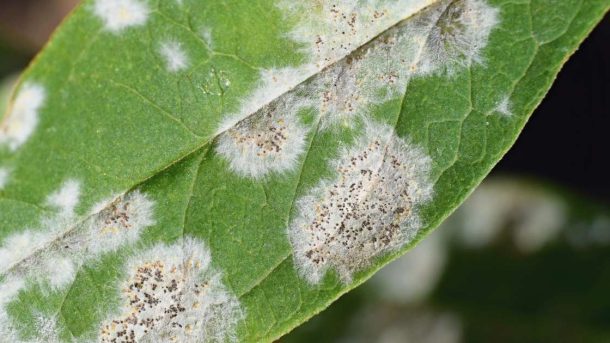
Seed treatment with Pseudomonas fluorescens ( Pf 1 ) @ 10 g /kg and foliar spray of Pf1 2 g/lit or Spray Wettable sulphur 1 kg/ha or Dinocap 250 ml/ha at the time of initial appearance of the disease and 2nd spray at 10 days interval. Neem seed kernel extracts 5 % spray thrice (1st spray immediately after the appearance of disease, 2nd and 3rd at 10 days interval).
How bordeaux mixture is prepared?
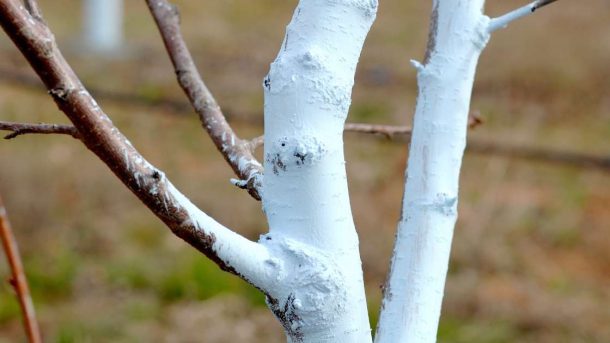
A quantity of 400 g of copper sulphate should be dissolved in 20 litres of water, and 400 g of lime should be dissolved in another 20 litres of water. By constantly stirring the mixture, the copper sulphate solution should be added to the lime solution. Metallic containers should not be used, and only earthen or wooden vessels and plastic containers should be utilised. A polished knife should be dipped in the mixture for one minute and then removed to see if the proportions are proper. If there is a reddish brown copper deposit in the knife, more lime should be added until there is no deposit.
What are bonsai plants ?
Bonsai is the art of growing and training a plant into a small form with an aged appearance. Although it originated in China, it is now known as Japanese art. It uses the technique of dwarfing in plants. Bonsai can grow as small as 30 to 60 cm tall, while smaller sizes of less than 25 cm have also been popular.
What is vertical gardening ?
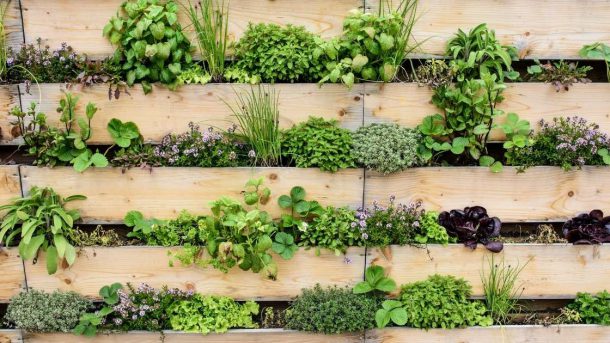
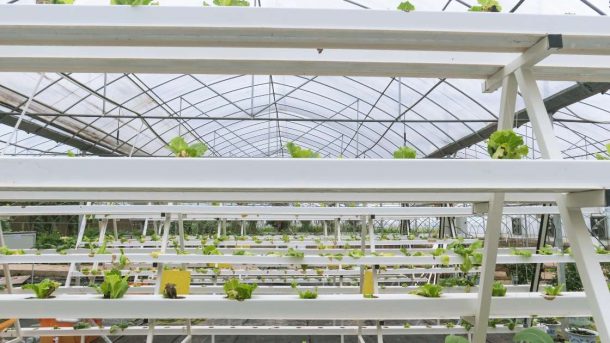
Vertical gardening is a type of urban gardening that is especially suited to tiny spaces and may be used to decorate the walls and rooftops in a variety of styles. This is a different approach to gardening that allows to grow plants in a vertical environment. There is very little horizontal area for outdoor gardening due to intensive urbanisation. Green walls absorb hot gases in the air, lowering both indoor and outdoor temperatures and resulting in a healthier indoor air quality as well as a more attractive environment.
What is the rate of fertilizer application in maize ?
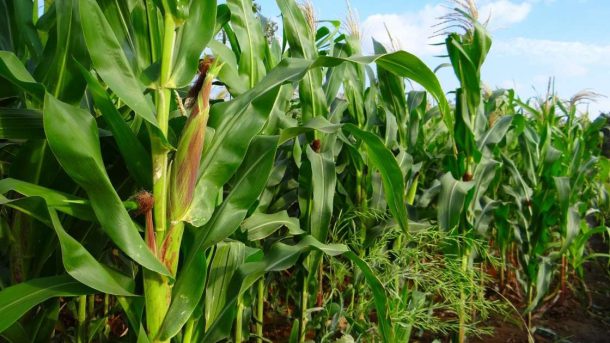
Apply NPK fertilizers as per soil test recommendation as far as possible. If soil test recommendation is not available adopt a blanket recommendation of 135:62.5:50 NPK kg/ha. Apply quarter of the dose of N; full dose of P2O and K2O basally before sowing. In the case of ridge planted crop, open a furrow 6 cm deep on the side of the ridge, at two thirds the distance from the top of the ridge. Apply the fertilizer mixture along the furrows evenly and cover to a depth of 4 cm with soil.
What is aeroponics?
Aeroponics is the process of growing plants within an air or mist environment. It’s one of the six basic types of hydroponic plant-growing method where plants are suspended with the roots exposed in the air. Every few minutes, a nutrient solution is sprayed directly on the roots itself. Aeroponics is considered the most technologically advanced hydroponic method.