How to propagate betel leaves?

betel leaves

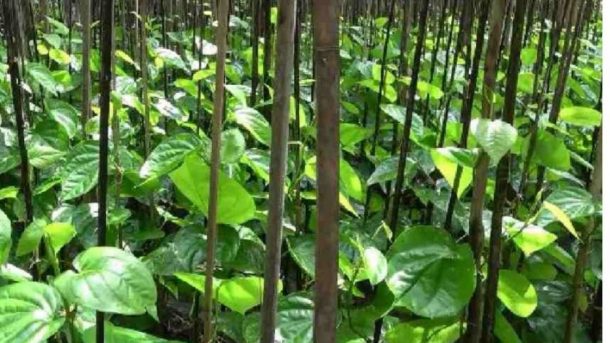
In betel leaves propagation, stem cuttings having 3 to 5 nodes are used and these are planted in such a fashion that 2 to 3 nodes are buried in the soil. A single node cutting with a mother betel leaf is also planted. Apical and middle portions cuttings of the betel vines are used for planting. There are 2 types of betel leaf cultivation is practiced in India:

  1. Open system cultivation using support plants
  2. Closed system cultivation using rectangular structures.

How to control weeds in lemon grass crop?

lemon grass

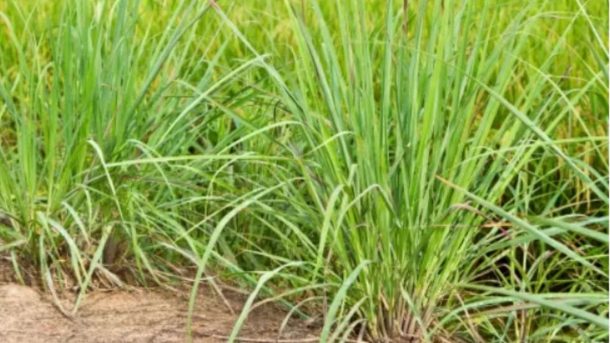
The main field is kept weed free for the first 3 to 4 months after planting the Lemon grass. Similarly, weeding cum hoeing is done up to 4 weeks, after every harvest. Generally, 2 to 3 weeding’s are required during a year. In row planted crops, intercultural operations should be done by hand hoe or a tractor drawn cultivator.

When and how to water cardamom plants?

cardamom

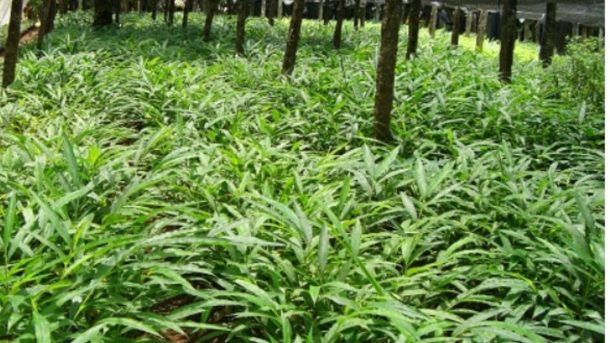
Frequent watering 1 week to 2 weeks interval is required during the hot summer months. Regular watering helps in panicle initiation, the flowering of plant and fruit set. Make sure the soil has enough moisture level all the time. Overhead irrigation process/ method is best suited to cardamom plantations. Drip irrigation also found beneficial in the cardamom crop.

When and How to harvest cardamom?

cardamom

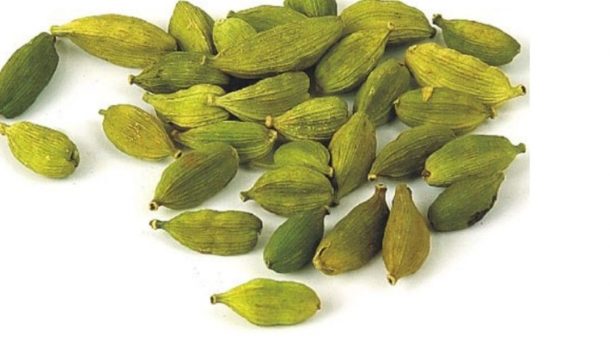
 Cardamom plants start bearing the fruit in the 2nd or 3rd year of plantation. The fruits would mature @ 35 to 45 days intervals, with 5 to 6 pickings. Normally harvesting season for cardamom is from October to November. In Tamil Nadu and Kerala, harvesting starts from Aug to Sept and continues till Feb to March. In Karnataka, it starts in July to Aug and continues up to Dec to Jan. When fruits are in the ripped stage, capsules should be harvested. Over mature cardamom fruits split on drying floor, Whereas the unripe cardamom fruits shrivel on drying.

What are harvesting techniques followed in turmeric?

harvesting

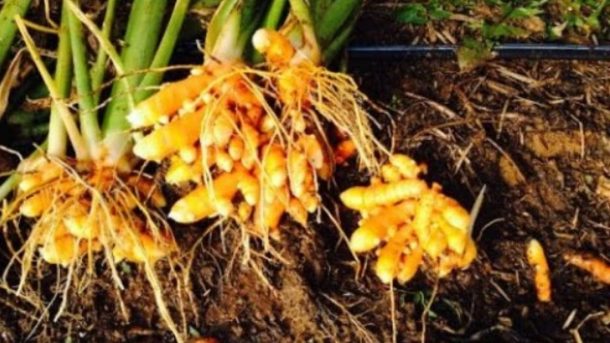
Usually, harvesting extends from January to March- April. Early varieties mature in 7-8 months and medium varieties in 8-9 months. The crop is ready for harvesting when the leaves turn yellow and start dying up. At the time of maturity, leaves are cut close to the ground, the land is ploughed and rhizomes are gathered by hand picking or the clumps are carefully lifted with a spade. The picked rhizomes are collected and cleaned. The mother and finger rhizomes are separated before curing.

Which is the best season for pineapple plantation?

pineapple

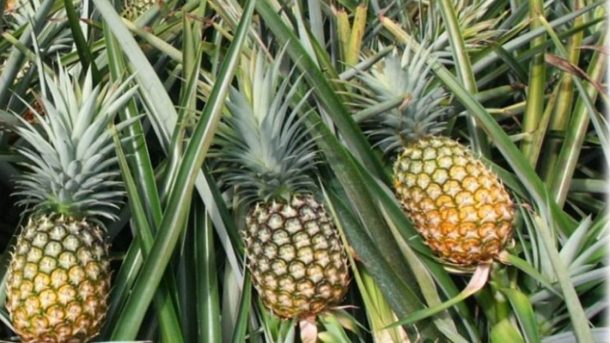
Pine apple is a humid tropical plant. It grows well, both in plains and also at elevations not exceeding 900 meters. It tolerates neither very high temperature nor frost. Pineapple usually flowers from February to April and the fruit are ready from July to September. Sometimes, offseason flowers appear and they produce fruits in September- December.

What is zero tillage management?

zero tillage

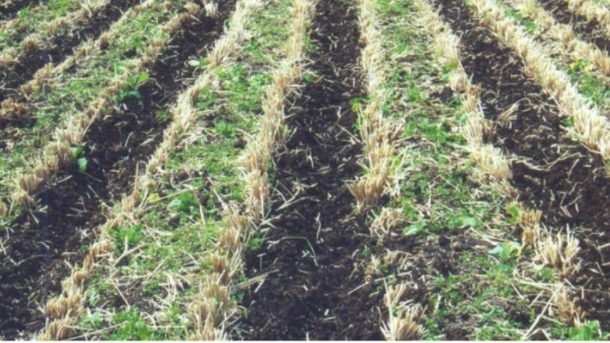
Zero tillage management require different skills to preserve higher yields. It combines various farming techniques, equipment, crop rotation practices, cover crop, fertilization and pesticide use to achieve better soil properties. Crop rotation eliminates soil weeds, pests and diseases. By rotating the crops on a multi-layer cycle, pests and disease amount will decrease due to the reduced food supply. Cover crops are used to control weeds, increase nutrients in the soil and to pull mobile nutrients back to the surface of the soil from the lower layers by growing plants with long roots.

What is the climate required for sugarcane cultivation?

sugarcane

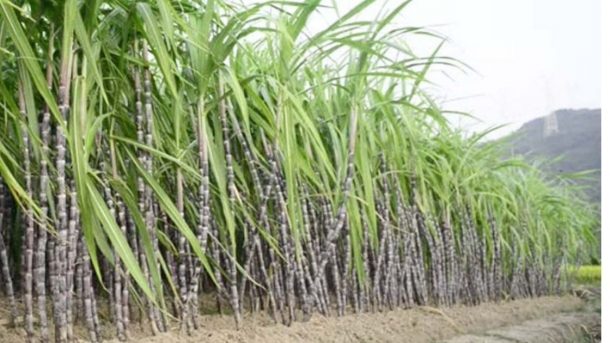
Temperature for different critical stages of sugarcane is germination, tillering, early growth, active growth and elongation. The optimum temperature for sprouting or germination of stem cuttings is 32° to 38°C. Temperature ranges above 38°C reduce the rate of photosynthesis and increase respiration. For ripening, however relatively low temperatures in the range of 12 to 14°C are desirable.

What is the role of vermiwash in sustainable crop production?

sustainable

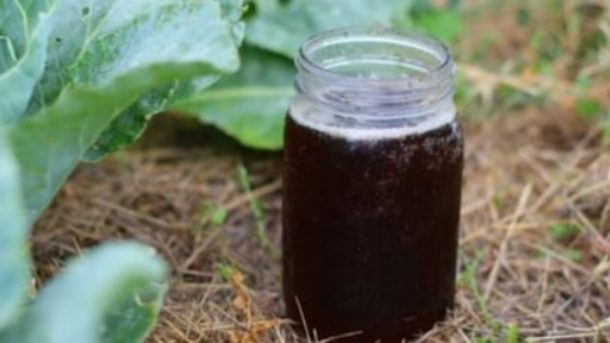
Vermi wash can be used as a potent biofertilizer to develop the germination and seedling survival rates in crop plants growing on nutrition depleted soils thus paving the way for sustainable agriculture using organic farming practices. It could be utilized efficiently for sustainable plant production at low input basis green farming. Vermi wash recorded significant growth and productivity in the black gram. Vermi wash is natural growth supplement for tea, coconut and also horticultural crops.